The Science Behind Deceptive Cute Animals
Evolution has equipped many wild animals with features that trigger our natural caregiving instincts. Large eyes, soft fur, and small statures often make us want to reach out and offer gentle touches. However, these same characteristics can mask the reality that many species are equipped with defensive mechanisms designed to protect them from perceived threats—including well-meaning humans.
Small fluffy dangerous pets in the wild have developed these appealing appearances not to attract human attention, but often as camouflage or to appear non-threatening to prey. When we misinterpret these signals and attempt interaction, we may inadvertently trigger defensive responses that can result in injury or disease transmission.
Harmless Looking Predators in Natural Habitats
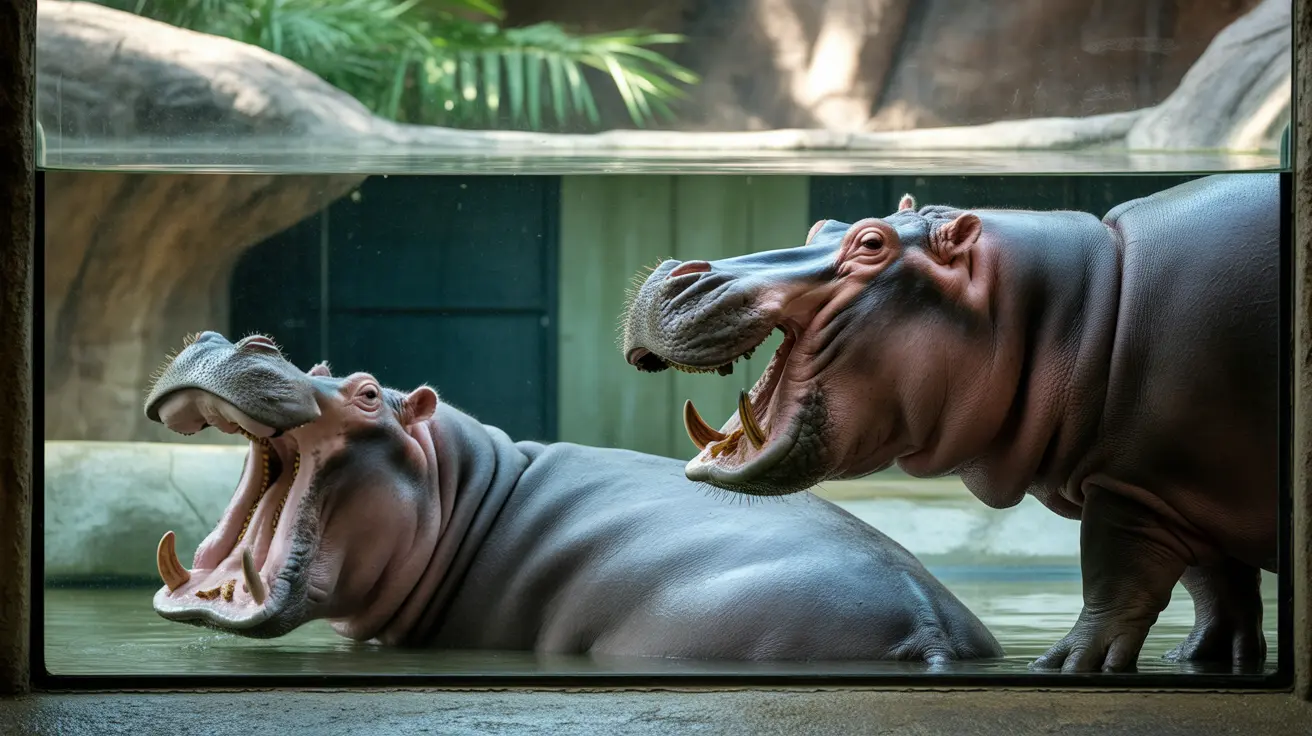
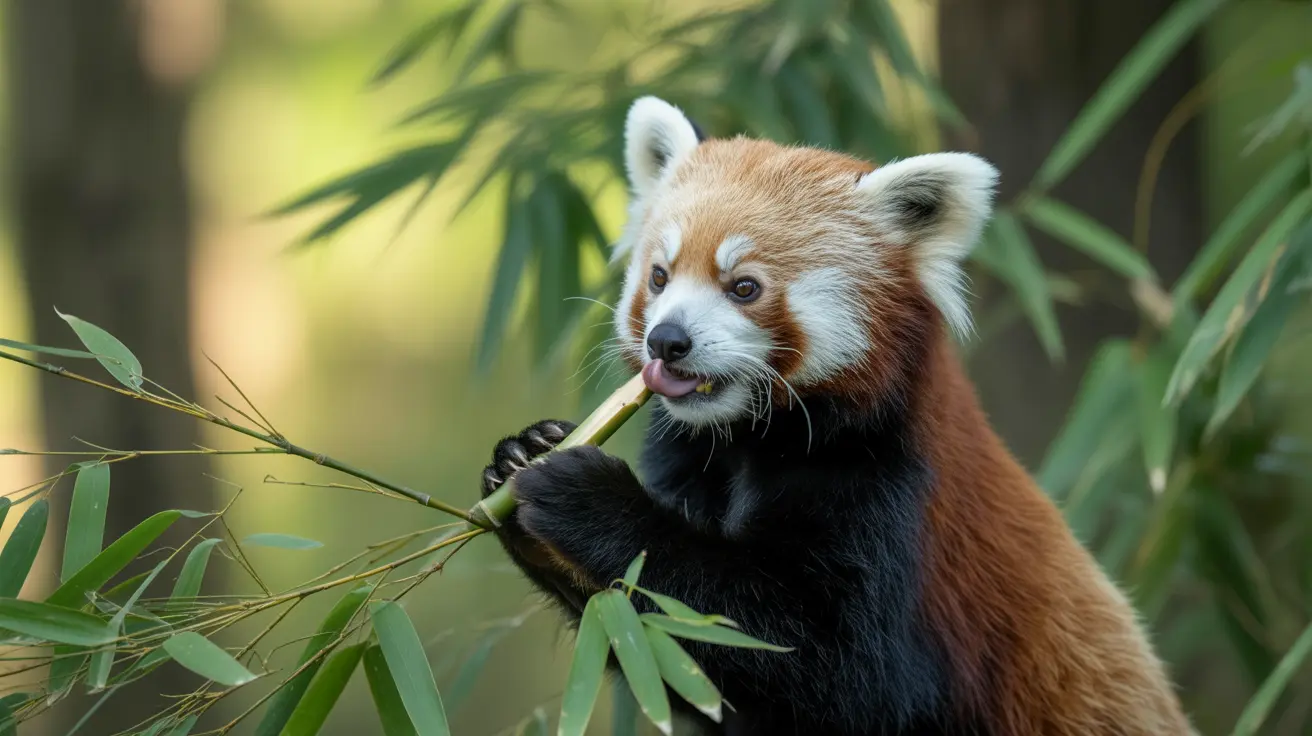
Many of the cutest animals that bite are actually skilled predators in their natural environments. Their adorable appearance often belies sharp teeth, powerful jaws, or venomous capabilities. Wild animals that look friendly have evolved to be successful hunters and survivors, not companions for human interaction.
These adorable but deadly critters maintain their survival instincts regardless of how appealing they appear to humans. Even animals with oversized ears and cute expressions can deliver surprising defensive reactions when approached by strangers, including scratching, biting, or fleeing in ways that could injure both the animal and the person attempting contact.
Protecting Your Pets from Wild Animal Encounters
Pet owners should be particularly cautious about allowing their domestic animals to interact with wildlife that appears friendly. Dogs and cats may approach these creatures out of curiosity, potentially triggering defensive behaviors or exposing themselves to parasites and diseases common in wild populations.
When hiking or camping with pets, maintain proper leash control and avoid areas where wild animals frequently gather. Even if an animal seems to beg for scritches or attention, remember that wild animals have not been socialized to human contact and may react unpredictably to perceived intrusion.
Safe Wildlife Observation Practices
The best way to appreciate cute wild animals is from a respectful distance. Use binoculars or cameras with zoom lenses to observe and photograph wildlife without disturbing their natural behaviors. This approach protects both the animals and observers while allowing for meaningful wildlife experiences.
Teach children and other family members about the importance of admiring wildlife without attempting physical contact. Even seemingly harmless creatures can carry diseases or react defensively when approached too closely.
Frequently Asked Questions
Why do some cute wild animals look friendly but can be dangerous to approach?
Wild animals have evolved appealing features for survival purposes, not to attract human interaction. Their cute appearance often masks natural defensive mechanisms like sharp teeth, claws, or disease-carrying potential. These animals haven't been domesticated and maintain strong survival instincts that can trigger aggressive responses when they feel threatened by human approach.
What small fluffy animals should I avoid petting in the wild?
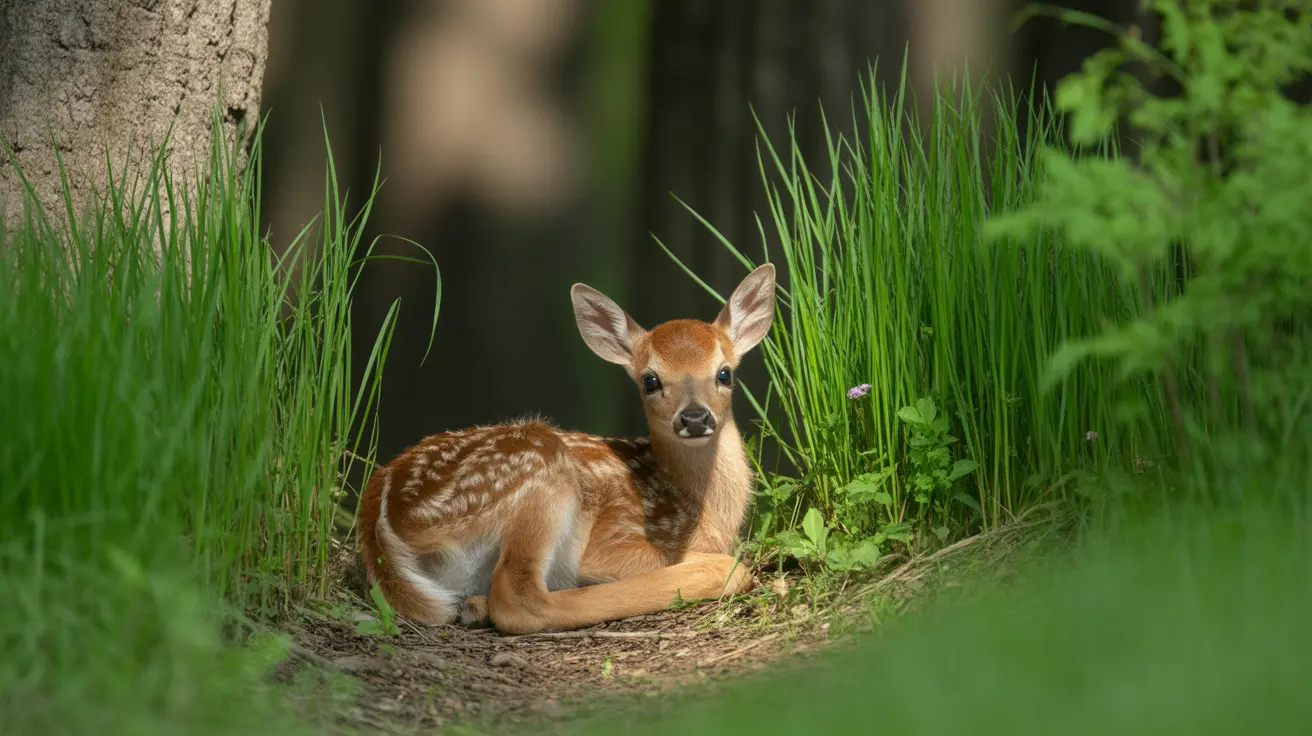
All wild animals, regardless of size or appearance, should be avoided for petting. Small mammals like raccoons, squirrels, and wild rabbits may carry rabies or other diseases. Even young animals that appear abandoned may have protective parents nearby, and touching them can leave human scent that interferes with natural family bonds.
How can I tell if a cute-looking animal is actually harmful?
The safest approach is to assume all wild animals are potentially harmful, regardless of appearance. Signs of immediate danger include aggressive posturing, unusual daytime activity in nocturnal species, or animals that appear sick or disoriented. However, even healthy-appearing wild animals can carry diseases or react unpredictably to human contact.
Conclusion
While our natural attraction to adorable wildlife is understandable, responsible pet ownership and wildlife appreciation require maintaining appropriate boundaries. The most beautiful and engaging wild animals are best enjoyed from a distance, allowing them to remain wild while protecting ourselves and our pets from potential harm.
By educating ourselves and our families about safe wildlife observation practices, we can foster a lifelong appreciation for nature's remarkable creatures while ensuring positive outcomes for both animals and humans. Remember, the most loving action we can take toward cute dangerous animals is simply letting them be wild.