
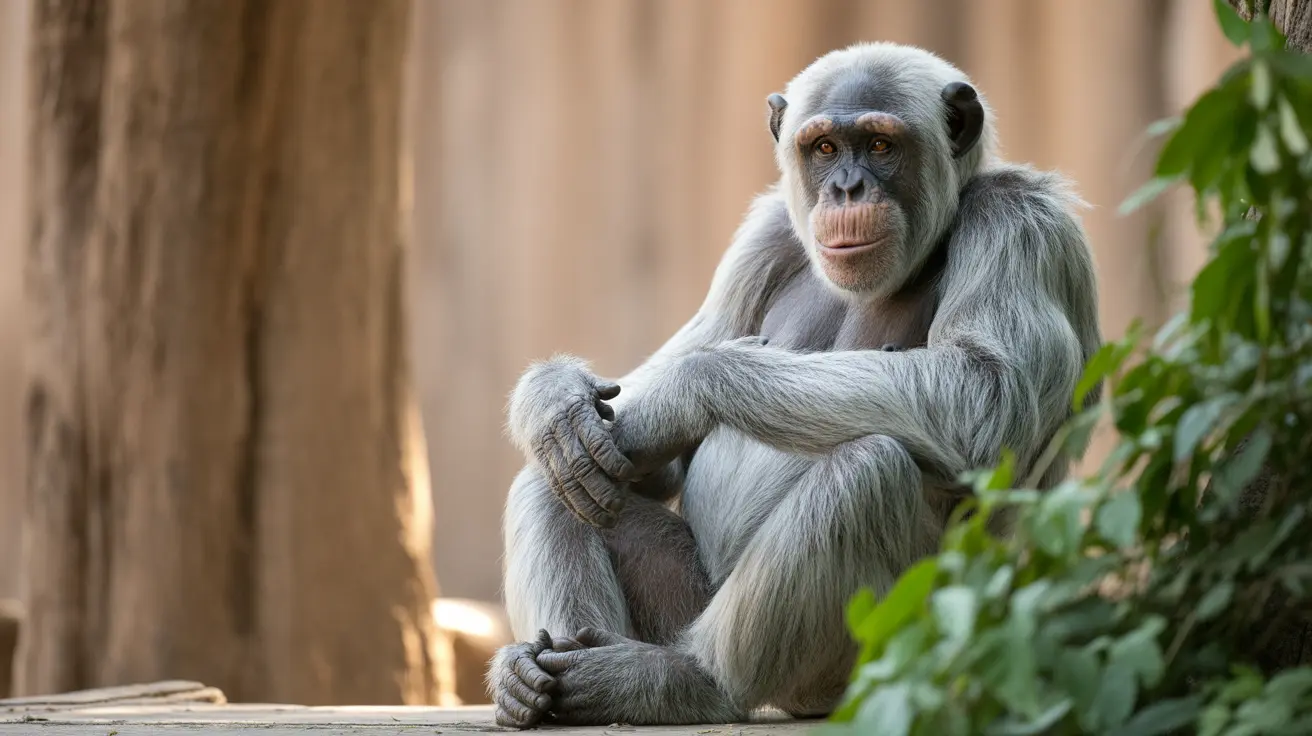
The world of celebrity exotic pets has long fascinated the public, with stories ranging from heartwarming to cautionary. Among the most famous celebrity animals in history is Bubbles the chimp, Michael Jackson's beloved companion who captured headlines throughout the 1980s. From red carpet appearances to theme park visits, Bubbles became a household name alongside the King of Pop. However, like many exotic pet ownership stories, this tale serves as a powerful reminder of the complex realities facing wild animals in domestic settings.
The fascination with exotic pets among celebrities extends far beyond Michael Jackson's chimpanzee. From tigers and lions to capuchin monkeys and exotic birds, famous personalities have often sought unique animal companions that reflect their larger-than-life personas. Yet these relationships frequently end in separation, relocation, or tragedy, highlighting the inherent challenges of keeping wild animals as pets.
The Michael Jackson Chimpanzee Story: From Fame to Sanctuary
Bubbles the chimp became one of the most recognizable celebrity pets of the 1980s, accompanying Michael Jackson to recording studios, movie sets, and public events. The young chimpanzee was reportedly acquired when he was just a baby, becoming an integral part of Jackson's daily life at Neverland Ranch. However, as Bubbles matured, the situation became increasingly complex and dangerous.
Like all chimpanzees, Bubbles eventually displayed natural aggressive behaviors as he reached adulthood. Adult male chimps can be up to seven times stronger than humans and possess powerful territorial instincts that make them unsuitable for domestic life. This reality forced a difficult decision that many exotic pet owners eventually face: the need to relocate their animal companion to a more appropriate environment.
Celebrity Exotic Pets: A Pattern of Acquisition and Relocation
The pattern seen with Bubbles Michael Jackson story repeats itself across numerous celebrity exotic pet cases. Justin Bieber's brief ownership of a capuchin monkey, OG Mally, ended when the animal was confiscated by German authorities and eventually relocated to a sanctuary. These celebrity pet relocations highlight a common theme: the initial appeal of exotic ownership often gives way to practical and safety concerns.
Many celebrities acquire exotic animals during their youth or peak fame periods, drawn to the novelty and status symbol these pets represent. However, the reality of caring for wild animals becomes apparent as these creatures mature and display their natural behaviors, which can include aggression, territorial marking, and complex social needs that cannot be met in domestic settings.
Understanding Chimpanzee Pet Dangers and Primate Pet Aggression
The dangers of keeping chimps as pets extend well beyond their impressive physical strength. Chimpanzees are highly intelligent, social creatures with complex emotional needs that cannot be satisfied in human households. As they mature, they naturally assert dominance and can become unpredictably aggressive, especially toward strangers or when their routine is disrupted.
Primate pet aggression typically emerges as these animals reach sexual maturity, usually between ages 5-8 for chimpanzees. During this period, hormonal changes trigger territorial behaviors that evolved for life in the wild. Even well-socialized primates can suddenly become dangerous, posing serious risks to their owners and the public.
Bubbles Sanctuary Florida: A Second Chance at Appropriate Care
Today, Bubbles lives at the Center for Great Apes in Wauchula, Florida, where he receives specialized care appropriate for his species. This sanctuary provides the social interaction, proper diet, and environmental enrichment that chimpanzees need to thrive. The facility cares for dozens of former pet and entertainment chimpanzees, offering them a chance to live more natural lives alongside their own species.
The transition from celebrity pet to sanctuary resident represents a positive outcome in the world of exotic pet ownership. Many such animals face less fortunate fates, including euthanasia, abandonment, or continued inappropriate care when their famous owners can no longer manage them safely.
The Reality of Exotic Pet Ownership Risks
Beyond the immediate dangers posed by powerful exotic animals, ownership of species like chimpanzees, big cats, and venomous snakes carries numerous other risks. These include zoonotic disease transmission, legal complications from changing regulations, and the enormous financial burden of proper veterinary care and housing. Many exotic pets also suffer from behavioral issues, malnutrition, and psychological distress when kept in inappropriate environments.
Frequently Asked Questions
What happened to Michael Jackson's pet chimpanzee Bubbles after he became too aggressive?
Bubbles was relocated to the Center for Great Apes sanctuary in Florida when he became too large and aggressive to safely remain at Neverland Ranch. He continues to live there today, receiving specialized care appropriate for chimpanzees alongside other former pet and entertainment chimps.
Why did celebrities like Michael Jackson and Justin Bieber give up their exotic pets?
Celebrities typically give up exotic pets when the animals mature and display natural behaviors that are incompatible with domestic life. As these animals reach adulthood, they often become aggressive, territorial, or simply too large and powerful to safely manage in home environments.
Is it safe or legal to keep chimpanzees or capuchin monkeys as pets?
Keeping primates as pets is neither safe nor legal in most jurisdictions. These animals pose significant safety risks due to their strength and unpredictable behavior, and they have complex social and environmental needs that cannot be met in domestic settings. Many states and countries have banned private ownership of such species.
Moving Forward: Learning from Celebrity Examples
The stories of famous celebrity animals like Bubbles serve as important educational tools for understanding exotic pet ownership risks. While these tales often begin with good intentions and genuine affection between human and animal, they consistently demonstrate why wild animals belong in appropriate facilities rather than private homes. For those inspired by celebrity pets, supporting accredited sanctuaries and conservation organizations provides a meaningful way to help exotic animals without the inherent dangers and ethical concerns of private ownership.




