
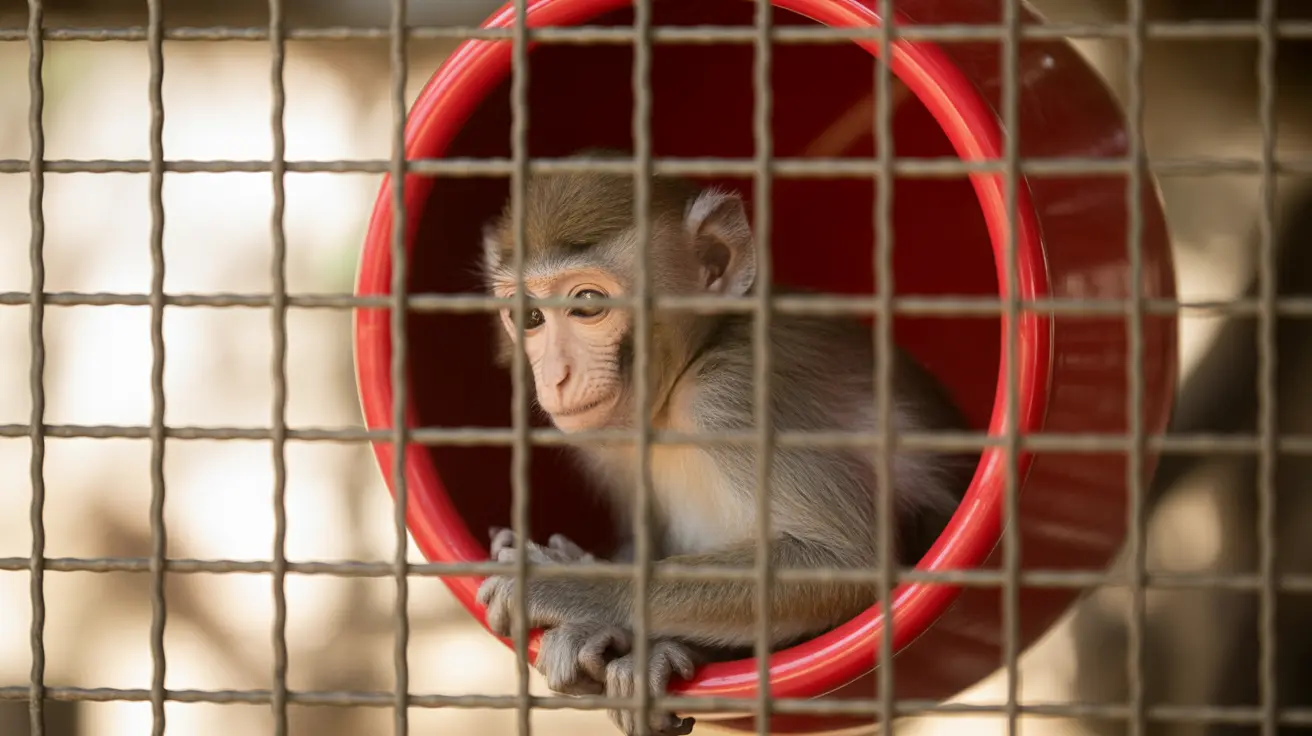
Oregon Health & Science University's (OHSU) primate research center is under scrutiny from animal rights organizations who claim that the facility's oversight board contains too many internal employees, potentially compromising the integrity of primate research oversight. This controversy highlights ongoing concerns about the transparency and independence of animal research compliance systems at major research institutions.
The criticism centers on allegations that OHSU's Institutional Animal Care and Use Committee (IACUC) lacks sufficient external representation, with advocates suggesting that internal staff members dominate the board responsible for ensuring ethical treatment of research primates. This composition raises questions about the effectiveness of current animal welfare regulation mechanisms and whether adequate checks and balances exist to protect laboratory animals.
Understanding Animal Testing Ethics and Oversight
Research institutions like OHSU rely on complex regulatory frameworks to ensure that animal research meets ethical standards. The foundation of this system rests on independent oversight committees that evaluate research protocols, monitor animal welfare, and ensure compliance with federal regulations. When these committees become dominated by internal personnel, it can create potential conflicts of interest that undermine the protective intent of animal welfare regulations.
Proper IACUC board composition typically requires a balanced representation of veterinarians, experienced researchers, and community members who can provide diverse perspectives on research ethics committee decisions. This diversity helps ensure that animal research transparency remains a priority and that laboratory animal care standards are upheld without institutional bias.
Research Ethics Committee Structure and Independence
The effectiveness of research oversight policies depends heavily on maintaining independence from the institutions conducting the research. When oversight boards are populated primarily by internal employees, it can create an environment where institutional interests may inadvertently influence decisions about animal research compliance.
Industry best practices suggest that effective oversight requires external perspectives to challenge assumptions and provide objective evaluation of research protocols. This is particularly important in primate research, where ethical considerations are heightened due to the complex cognitive and social needs of these animals.
Laboratory Animal Care Standards
Maintaining high standards of laboratory animal care requires constant vigilance and objective oversight. Research institutions must balance their scientific objectives with their ethical obligations to the animals under their care. This balance is best achieved through oversight mechanisms that include independent voices capable of advocating solely for animal welfare without institutional pressures.
The concerns raised about OHSU's oversight structure reflect broader questions about how research institutions can ensure that their animal research transparency commitments are meaningful and effective. Pet owners and animal advocates increasingly expect research facilities to demonstrate genuine accountability in their treatment of laboratory animals.
Implications for Animal Welfare Regulation
The controversy surrounding OHSU's primate center oversight highlights the ongoing evolution of animal welfare regulation in research settings. As public awareness of animal research practices grows, institutions face increased pressure to demonstrate that their oversight mechanisms provide genuine protection for research animals rather than merely satisfying regulatory requirements.
Effective research oversight policies must strike a balance between supporting legitimate scientific inquiry and ensuring that animal welfare remains paramount. This requires oversight bodies that can evaluate research protocols objectively, without undue influence from institutional priorities or pressures.
Frequently Asked Questions
What is the role of the IACUC in primate research at OHSU?
The Institutional Animal Care and Use Committee (IACUC) oversees and evaluates all animal research activities at OHSU to ensure ethical treatment and regulatory compliance, particularly in primate research projects.
How does OHSU ensure ethical standards in animal testing?
OHSU follows strict guidelines and regulations, including regular inspections and reviews by the IACUC, to uphold ethical standards and animal welfare in all research involving animals.
What are the requirements for IACUC board composition at research institutions?
IACUCs are typically required to include veterinarians, scientists experienced in animal research, and community members to provide diverse perspectives and ensure comprehensive review of research protocols.
What regulations govern laboratory animal research at OHSU?
Research at OHSU complies with federal laws such as the Animal Welfare Act and the Public Health Service Policy, along with institutional guidelines to promote humane treatment and ethical practices.
Moving Forward
The debate over OHSU's oversight board composition underscores the importance of maintaining robust, independent oversight in animal research. As research institutions continue to rely on animal subjects for scientific advancement, ensuring that oversight mechanisms remain credible and effective is essential for maintaining public trust and protecting animal welfare.
Pet owners and animal advocates can support improved research practices by staying informed about oversight standards and encouraging research institutions to maintain transparent, independent oversight committees that prioritize animal welfare above institutional convenience.




