
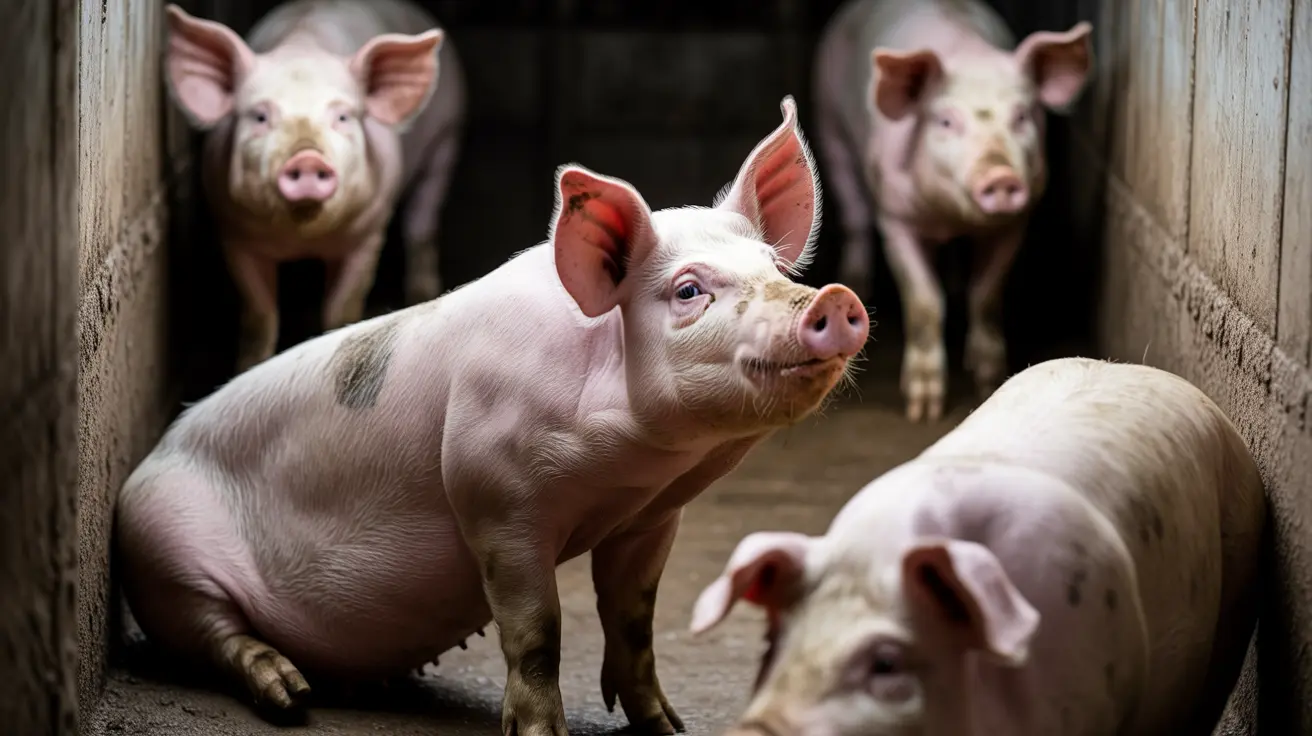
The House Farm Bill has emerged as a critical concern for animal welfare advocates and pet owners alike. This sweeping legislation contains multiple provisions that threaten to undermine decades of progress in animal protection laws, potentially affecting not just farm animals but setting dangerous precedents for all animal welfare regulations.
For pet parents who care deeply about animal rights and welfare, understanding the implications of this Farm Bill animal welfare debate is crucial. The proposed legislation includes measures that would strip states of their authority to implement meaningful animal protection laws, creating a ripple effect that could impact how we protect all animals, including our beloved pets.
Understanding the EATS Act and Its Broader Implications
At the heart of opposition to the Farm Bill lies the controversial EATS Act (Ending Agricultural Trade Suppression), which would effectively nullify state laws that regulate agricultural products sold within their borders. This provision directly targets successful animal welfare initiatives like California's Proposition 12, which bans the sale of pork from pigs confined in gestation crates.
The EATS Act represents more than just farm policy—it's a fundamental challenge to states' rights to protect animals. When states lose the ability to enforce humane standards for farm animals, it sets a concerning precedent that could eventually extend to other areas of animal protection, including companion animal welfare laws.
Factory Farming Abuses the Bill Would Protect
The current House Farm Bill would effectively shield numerous factory farming abuses from state-level regulation. These include the continued use of gestation crates that confine pregnant pigs in spaces so small they cannot turn around, and tail docking pigs without pain relief—practices that many veterinarians and animal welfare experts consider inhumane.
By preventing states from regulating these practices, the legislation would maintain the status quo of industrial animal agriculture, where efficiency often takes precedence over animal welfare. For pet owners who understand the importance of treating animals with compassion, these provisions represent a significant step backward in our collective commitment to animal protection.
How CAFO Regulations and State Animal Protection Laws Are Under Threat
The Farm Bill's approach to CAFO regulations (Concentrated Animal Feeding Operations) would weaken oversight of large-scale animal agriculture facilities. These operations, which house thousands of animals in confined spaces, have long been subject to varying levels of state regulation designed to protect both animals and the environment.
State animal protection laws have historically served as laboratories for innovation in animal welfare policy. When the federal government preempts these laws, it eliminates the opportunity for states to lead on animal protection issues and develop best practices that could eventually become national standards.
The Problem with Imported Factory Farm Meat Standards
Another concerning aspect of the legislation is its potential impact on imported factory farm meat regulations. The bill could make it more difficult for states to maintain standards for imported animal products, potentially allowing meat from facilities with even lower welfare standards to enter American markets.
This race to the bottom in animal welfare standards affects not just farm animals but sends a broader message about how society values animal protection. For pet owners who advocate for the humane treatment of all animals, this represents a troubling development in animal welfare policy.
Why ALDF and Animal Welfare Groups Oppose the 2024 Farm Bill
The Animal Legal Defense Fund (ALDF) and numerous other animal protection organizations have voiced strong opposition to these Farm Bill provisions. Their concerns stem from the legislation's potential to create a system of animal welfare preemption that would prevent states from enacting stronger protections for animals.
These organizations argue that allowing states to maintain their authority to pass animal protection laws is essential for continued progress in animal welfare. When federal legislation blocks state innovation, it effectively caps the level of protection animals can receive, regardless of scientific advances in our understanding of animal sentience and suffering.
Frequently Asked Questions
What is the House Farm Bill and why should pet owners oppose it for animal welfare?
The House Farm Bill is federal legislation that governs agricultural policy, including provisions that would preempt state animal welfare laws. Pet owners should be concerned because it sets precedents for how animal protection laws are treated at all levels, potentially affecting future protections for companion animals as well as farm animals.
How does the EATS Act in the Farm Bill affect state laws like California's Proposition 12 on pig confinement?
The EATS Act would effectively nullify state laws like Proposition 12 that ban the sale of products from animals kept in extreme confinement. This would eliminate states' ability to use their market power to improve animal welfare conditions in agricultural operations.
What factory farming abuses would the 2024 Farm Bill protect, such as gestation crates or tail docking?
The Farm Bill would protect practices including confining pregnant pigs in gestation crates and tail docking without pain relief by preventing states from regulating these practices through their purchasing and sales standards.
How can I contact Congress to oppose the Farm Bill's provisions blocking animal protection laws?
You can contact your representatives through the official House and Senate websites, call their local offices, or participate in advocacy campaigns organized by animal welfare organizations to express your opposition to these specific provisions.
Taking Action for Animal Welfare
The fight over the House Farm Bill represents a critical moment for animal welfare advocacy in America. Pet owners who understand the importance of treating all animals with compassion have an opportunity to make their voices heard on this important legislation.
By opposing the Farm Bill's animal welfare rollbacks, we can help ensure that states retain their ability to lead on animal protection issues and continue developing innovative approaches to reducing animal suffering across all sectors, from agriculture to companion animal care.




