
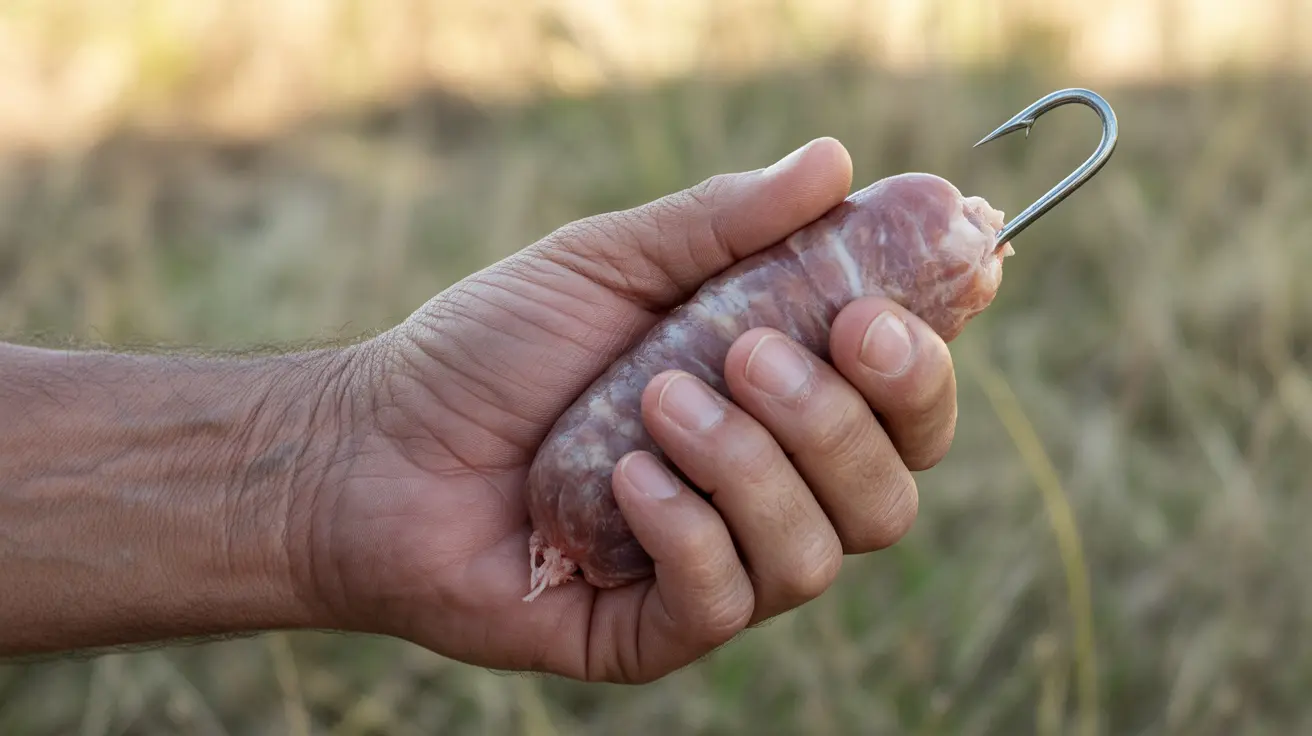
A shocking case of animal cruelty has concluded in Easton, Pennsylvania, where a man has been sentenced to prison for deliberately placing dog treats with fish hooks and razors throughout the community. This disturbing incident resulted in serious injuries to at least one dog and has raised urgent concerns about pet safety in neighborhoods across the region.
The case highlights the devastating impact of intentional animal cruelty and serves as a critical reminder for pet owners to remain vigilant about potential threats to their furry companions. When individuals deliberately tamper with treats or food items, they create life-threatening situations that can cause severe internal injuries, requiring emergency veterinary intervention and sometimes resulting in permanent damage or death.
The Easton Dog Injury Case Details
According to reports, the perpetrator strategically placed tampered dog treats containing fish hooks and razor blades in areas where dogs were likely to find them. This calculated act of cruelty demonstrates a particularly heinous form of animal abuse that specifically targets innocent pets and their unsuspecting families.
The incident came to light when a local dog suffered injuries after consuming one of these dangerous treats. The discovery prompted an investigation that ultimately led to criminal charges and the recent prison sentence. This case represents a successful prosecution under Pennsylvania animal cruelty laws, which treat such deliberate acts of harm against animals as serious criminal offenses.
Understanding Tampered Dog Treats and Hidden Dangers
Pet owners must understand that tampered dog treats can appear completely normal on the outside while containing deadly objects inside. These dangerous items may include fish hooks in pet food, razor blades, nails, or other sharp objects designed to cause internal damage when consumed.
The psychological profile of individuals who engage in this type of cruelty often includes a desire to harm animals indirectly, allowing them to avoid direct confrontation while still inflicting maximum damage. This makes such cases particularly challenging to detect and prevent, requiring heightened awareness from the entire pet-owning community.
How to Protect Dogs From Laced Treats
Preventing exposure to unsafe dog treats requires a multi-layered approach to pet safety. Dog owners should never allow their pets to consume found treats or food items during walks or outdoor activities. Even treats that appear store-bought or professionally made can be tampered with by malicious individuals.
Establishing a strict "no found food" policy during walks is essential. Train your dog to ignore food on the ground and always carry approved treats to redirect their attention. Additionally, pet owners should be aware of any neighborhood animal cruelty incidents and report suspicious behavior to local authorities immediately.
Recognizing Dog Treat Dangers in Your Community
Signs that your neighborhood may be targeted for animal cruelty include reports of sick pets, unusual objects found in outdoor areas, or patterns of pet illnesses that seem connected to specific locations. Community communication through neighborhood apps or local pet groups can help identify and address these threats quickly.
Understanding Pennsylvania Animal Cruelty Laws
The sentence handed down in this case demonstrates that courts take animal cruelty seriously, particularly when it involves premeditated acts designed to cause suffering. Pennsylvania animal cruelty laws provide strong protections for pets and allow for significant criminal penalties when individuals deliberately harm animals.
These legal protections serve not only to punish those who commit crimes against animals but also to deter others who might consider similar actions. The prison sentence in the Easton case sends a clear message that the community will not tolerate deliberate harm to innocent pets.
Frequently Asked Questions
What should I do if my dog eats something dangerous like a fish hook or razor?
Seek immediate emergency veterinary care without delay. Do not attempt to induce vomiting, as this can cause additional internal damage. Keep your dog calm and still during transport to prevent the object from moving and causing more harm. Contact your veterinarian or emergency animal hospital immediately for guidance on the fastest route to treatment.
How can I tell if dog treats are tampered with or unsafe for my pet?
Never allow your dog to eat treats found outdoors or given by strangers. Look for unusual weight, strange shapes, or any visible signs of tampering on packaged treats. When in doubt, discard suspicious items immediately. Only provide treats from reputable sources that you have purchased directly from trusted retailers.
What are the signs of injury in dogs from poisoned or laced treats?
Watch for symptoms including vomiting, difficulty swallowing, excessive drooling, lethargy, loss of appetite, abdominal pain, or unusual behavior. Blood in vomit or stool is a critical warning sign requiring immediate veterinary attention. Any sudden onset of these symptoms after your dog has been outdoors warrants emergency medical evaluation.
Protecting Our Pet Community
The sentencing in the Easton case represents justice for the injured dog and its family, but it also serves as a sobering reminder of the threats that can exist in our communities. Pet owners must remain vigilant, work together to identify potential dangers, and never hesitate to report suspicious activities that could put animals at risk.
By staying informed about animal cruelty cases and maintaining strict safety protocols during outdoor activities with our pets, we can help ensure that our beloved companions remain safe from those who would do them harm. The conviction in this case proves that justice will be served when animals are deliberately targeted for cruelty.




