
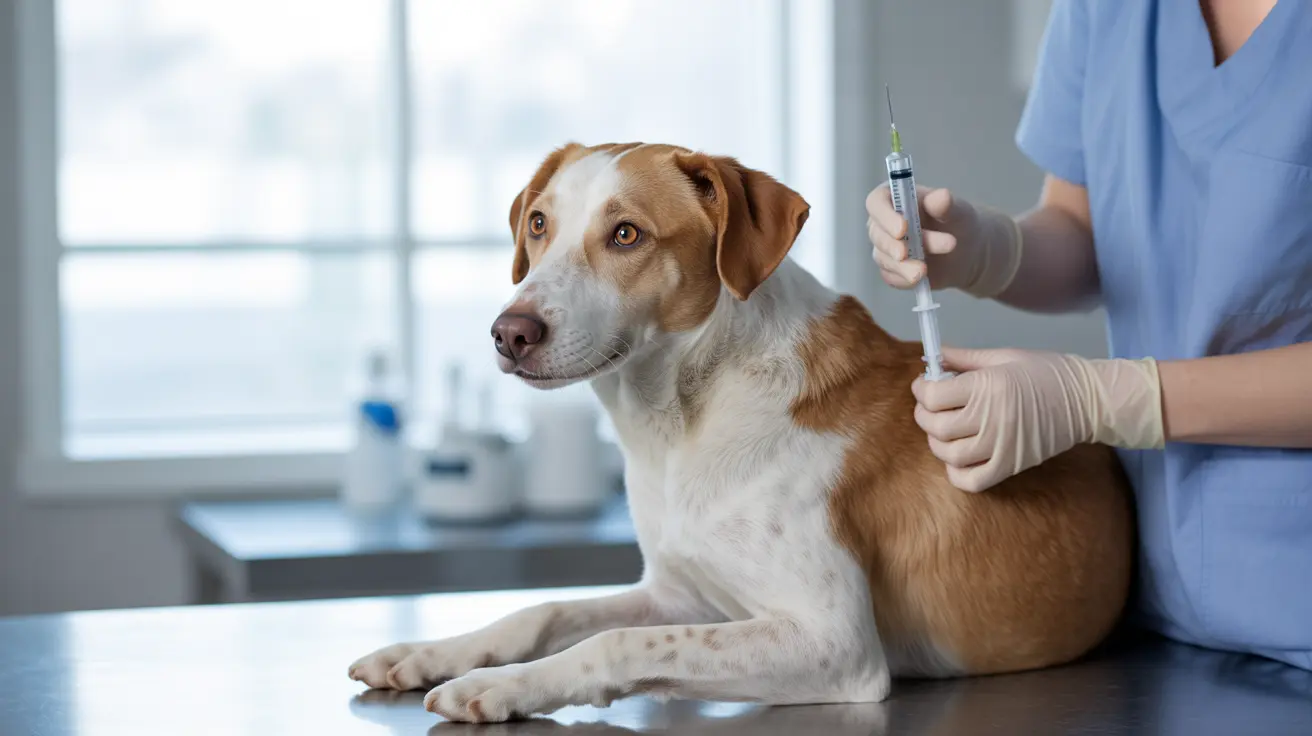
Rabies continues to pose a significant threat to pets and their families across Texas, with the disease remaining active throughout the state's diverse wildlife population. While this ancient viral infection has been largely controlled in domestic animals, Texas pet owners must remain vigilant as vaccinated dogs and cats serve as the first line of defense in protecting both pets and people from this deadly disease.
The ongoing presence of rabies in Texas wildlife underscores the critical importance of maintaining current vaccinations for all dogs and cats. Pet owners who stay proactive with rabies prevention not only protect their beloved companions but also contribute to the broader public health effort to keep this fatal virus at bay.
Understanding the Rabies Threat in Texas Wildlife
Texas wildlife populations continue to harbor rabies, making exposure risks a year-round concern for pet owners. The state's diverse ecosystem provides numerous opportunities for domestic animals to encounter potentially infected wildlife, particularly in urban and suburban areas where human development intersects with natural habitats.
Rabies is a viral infection that affects the nervous system of mammals and is nearly always fatal once clinical symptoms appear. The virus spreads through saliva, typically via bites from infected animals, though exposure can also occur through scratches or contact with mucous membranes.
Bat Rabies Texas: The Primary Urban Threat
Bats represent the most significant rabies threat to pets in Texas cities like Austin and San Antonio. These nocturnal mammals often roost in residential areas, creating opportunities for encounters with curious dogs and cats. Unlike other rabies carriers, bats can harbor the virus without showing obvious symptoms, making them particularly dangerous.
Pet owners should be especially cautious during evening hours when bats are most active. Even indoor cats can be at risk if bats enter homes through open doors, windows, or attic spaces.
Skunk Rabies Texas: Rural and Suburban Concerns
Skunks constitute another major rabies reservoir in Texas, particularly in rural and suburban areas. These animals may appear in yards, under porches, or near pet food left outdoors. Dogs are especially vulnerable due to their natural curiosity and tendency to investigate unfamiliar animals.
Texas Rabies Law Pets: Legal Requirements for Protection
Texas law mandates rabies vaccination for all dogs and cats, reflecting the state's commitment to preventing rabies transmission. Pet owners must ensure their animals receive initial vaccinations and regular boosters according to veterinary guidelines and state regulations.
Compliance with vaccination requirements protects not only individual pets but also supports community-wide rabies prevention efforts. Unvaccinated animals that are exposed to rabies face quarantine or euthanasia, making prevention through vaccination the only sensible choice.
Rabies Prevention for Pets: Essential Strategies
Effective rabies prevention begins with maintaining current vaccinations for all dogs and cats. The rabies vaccine for dogs and cats is highly effective and provides robust protection when administered according to veterinary schedules.
Pet owners should also minimize exposure risks by keeping animals supervised outdoors, securing garbage that might attract wildlife, and removing outdoor food sources. Teaching children never to approach unfamiliar animals, especially wildlife, further reduces household exposure risks.
Recognizing Rabies Symptoms in Dogs Texas
Early recognition of potential rabies exposure or symptoms can be life-saving. Rabies symptoms in dogs may include behavioral changes, excessive drooling, difficulty swallowing, aggression, or unusual fearfulness. However, symptoms can vary widely, and any significant behavioral change following potential wildlife exposure warrants immediate veterinary attention.
Pet Rabies Exposure What to Do: Emergency Response
If pet owners suspect their dog or cat has been exposed to a potentially rabid animal, immediate action is essential. Contact a veterinarian immediately, even if the exposure seems minor. Thoroughly wash any wounds with soap and water, but avoid handling the pet excessively until professional guidance is received.
Document the exposure incident, including the type of animal involved, location, and circumstances. This information helps veterinarians and public health officials assess risk levels and determine appropriate response measures.
Frequently Asked Questions
Is rabies still a risk for dogs and cats in Texas, and how can vaccination protect them?
Yes, rabies remains an active threat in Texas wildlife, making vaccination essential for all dogs and cats. The rabies vaccine is highly effective at preventing infection and is required by state law. Regular vaccination provides robust protection and contributes to community-wide prevention efforts.
What should I do if my dog or cat is exposed to a bat or skunk in Texas?
Contact your veterinarian immediately following any potential exposure to wildlife. Wash wounds thoroughly with soap and water, document the incident details, and avoid excessive handling of your pet until receiving professional guidance. Quick action following exposure is crucial for protecting your pet's health.
Why are bats the biggest rabies threat to pets in Texas cities like Austin and San Antonio?
Bats pose the greatest urban rabies risk because they frequently roost in residential areas and can carry rabies without showing obvious symptoms. Their nocturnal activity patterns and ability to enter homes through small openings create numerous opportunities for pet exposure, especially for curious cats and dogs.
Protecting Texas Pets Through Vaccination
The ongoing presence of rabies in Texas wildlife makes pet vaccination more than just a legal requirement—it's a critical health protection measure. By maintaining current rabies vaccinations and staying alert to exposure risks, pet owners can ensure their companions remain safe while contributing to broader public health protection efforts throughout the state.




