
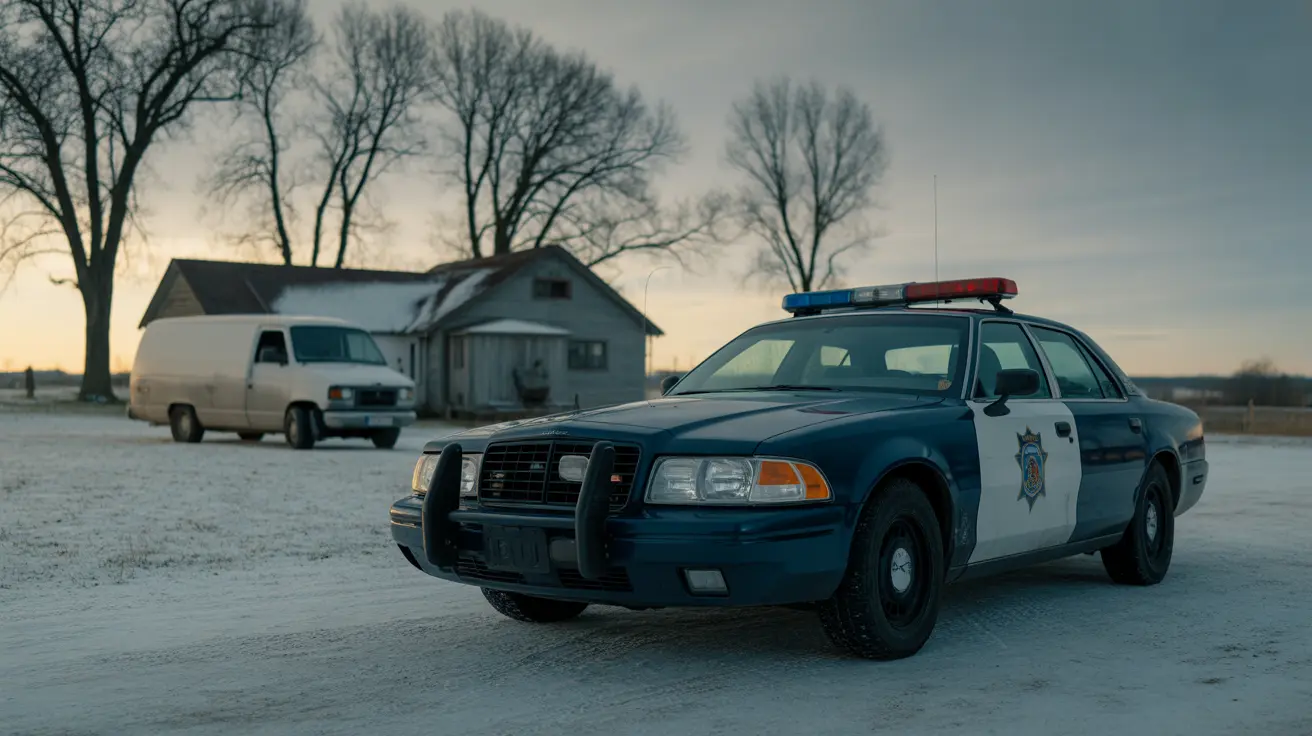
A significant animal rescue operation in Stanton County, Nebraska has brought attention to the serious issue of animal hoarding and child welfare concerns. The Stanton County Sheriff's Department recently removed 52 animals from a single residence, along with seven children, highlighting the complex intersection of animal neglect and family services intervention.
The Stanton County animal rescue operation involved multiple species and demonstrated the extensive resources required when authorities encounter large-scale pet hoarding situations. This case serves as an important reminder for pet owners about responsible animal care and the warning signs that can lead to overwhelming situations.
Details of the Nebraska Animal Neglect Case
According to the Stanton County Sheriff's Department, the animal removal operation resulted in the rescue of 25 dogs, 12 rabbits, 9 cats, 4 goats, and 2 miniature ponies. The diversity of species involved in this case illustrates how animal hoarding situations can quickly escalate beyond manageable levels.
The simultaneous removal of seven children from the same property indicates that authorities determined the living conditions posed risks to both human and animal welfare. When sheriff removes animals from a residence, it typically follows an investigation that reveals inadequate care, unsafe living conditions, or violations of local animal welfare ordinances.
Understanding Animal Hoarding and Its Consequences
Animal hoarding represents a complex behavioral condition where individuals accumulate more animals than they can properly care for. The Nebraska animal neglect case demonstrates how quickly situations can become overwhelming, affecting dozens of animals across multiple species.
Pet owners should be aware of several warning signs that indicate when animal care is becoming unmanageable:
- Inability to provide adequate food, water, and veterinary care for all animals
- Living spaces that become unsanitary due to animal waste
- Animals showing signs of poor health, malnutrition, or behavioral problems
- Difficulty maintaining clean, safe environments for both animals and human residents
The Animal Welfare Investigation Process
When authorities conduct an animal welfare investigation, they typically assess multiple factors including the physical condition of animals, living environment quality, and the owner's ability to provide proper care. In cases involving hoarding 52 animals, investigators must coordinate with veterinary professionals, animal control services, and sometimes child protective services.
The multi-pet neglect situation in Stanton County required significant planning and resources to safely remove and care for such a large number of animals. Each species has different housing and care requirements, making the logistics of rescue operations particularly challenging.
Prevention and Responsible Pet Ownership
Responsible pet ownership involves honestly assessing one's ability to provide proper care for each animal. Pet owners should establish relationships with veterinarians, maintain clean living spaces, and seek help if they find themselves struggling to meet their animals' needs.
Community resources often exist to help pet owners facing difficulties, including low-cost veterinary clinics, pet food banks, and behavioral support services. Seeking assistance early can prevent situations from escalating to the point where authority intervention becomes necessary.
Frequently Asked Questions
What happens to animals removed by authorities in neglect cases like Stanton County Nebraska?
Animals removed by authorities typically receive immediate veterinary evaluation and care. They are usually placed in temporary housing with animal shelters, rescue organizations, or foster families while legal proceedings determine their permanent placement. Many animals from rescue operations eventually become available for adoption once they receive necessary medical treatment and rehabilitation.
How many animals were rescued in the Stanton County sheriff's operation?
The Stanton County Sheriff's Department removed a total of 52 animals from the residence, including 25 dogs, 12 rabbits, 9 cats, 4 goats, and 2 miniature ponies. This represents one of the larger multi-species animal removal operations in recent Nebraska history.
Why do authorities remove children along with animals in hoarding situations?
When living conditions become unsafe due to animal hoarding, authorities may determine that the environment poses health and safety risks to children as well as animals. Poor sanitation, overcrowding, and inadequate living conditions can create hazardous situations that require intervention by both animal control and child protective services to ensure everyone's wellbeing.
Moving Forward
The Stanton County animal rescue case serves as an important reminder about the responsibilities that come with pet ownership. While the love for animals drives many people to help multiple pets, ensuring quality care for each animal must remain the priority. Pet owners facing challenges should reach out for community support before situations become overwhelming for both animals and families.




