
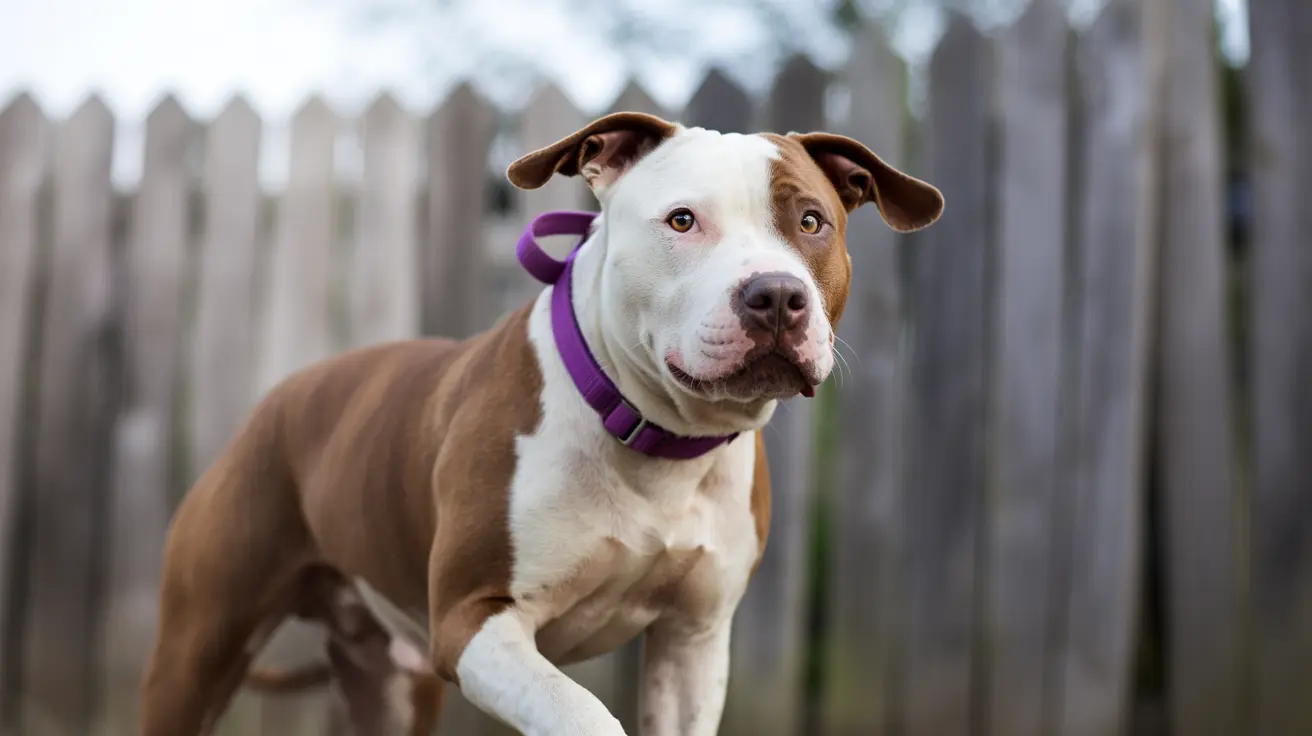
Utah lawmakers are taking significant steps to address a critical gap in animal welfare legislation with the introduction of HB87, commonly known as "Biscuit's Bill." This groundbreaking legislation aims to reduce the time that dogs seized from abusive situations must wait in shelters before becoming eligible for adoption, potentially transforming the lives of countless animals caught in legal limbo.
The bill addresses a persistent challenge facing Utah shelters and rescued animals: dogs removed from abuse cases often remain in shelter care for extended periods while legal proceedings unfold. During this time, these vulnerable animals cannot be adopted, creating emotional and financial strain on both the animals and the shelters caring for them.
The Story Behind Biscuit's Bill
The legislation draws its name and inspiration from a dog whose story exemplifies the problem HB87 seeks to solve. After experiencing abuse, this dog spent three years in legal limbo—unable to find a permanent home while court proceedings dragged on. This extended period of uncertainty highlights how current laws can inadvertently harm the very animals they're meant to protect.
For dogs recovering from trauma, prolonged shelter stays can impede their rehabilitation and reduce their chances of successful adoption. The stress of shelter life, while better than abuse, still presents challenges for animals trying to heal from their past experiences.
How HB87 Would Transform Utah Dog Abuse Law
The proposed Utah dog abuse law would establish clearer timelines for when seized dogs can become available for adoption. While specific details of the 90-day provision mentioned in discussions would need legislative confirmation, the general principle aims to balance the needs of ongoing legal cases with the welfare of the animals involved.
This approach recognizes that dogs shouldn't remain in indefinite legal holds when they could be thriving in loving homes. The legislation would provide shelters with more predictable timelines, allowing them to better manage their resources and care capacity.
Utah Shelters Rally Behind Animal Welfare Reform
Animal welfare organizations across Utah have voiced strong support for this legislative initiative. Shelters understand firsthand the challenges of caring for animals in legal limbo, as these situations can strain their resources and limit their ability to help other animals in need.
The backing from Utah shelters reflects broader concerns about the current system's impact on both animals and shelter operations. When dogs remain in legal holds for extended periods, shelters must continue providing care while being unable to pursue permanent placement options.
Comparing Safe Harbor Animal Laws Nationwide
Utah's approach with HB87 reflects a growing national trend toward more balanced animal welfare legislation. Other states have implemented similar measures to address the challenges of seized animals in legal proceedings, recognizing that prolonged shelter stays can be counterproductive to animal welfare goals.
These legal reforms typically aim to establish reasonable timeframes that protect both the legal process and animal welfare. The goal is creating systems that serve justice while not penalizing innocent animals for extended periods.
Impact on No-Kill Shelters and Adoption Programs
For no-kill shelters Utah organizations, legislation like Biscuit's Bill could significantly improve their ability to serve more animals. When dogs are freed from lengthy legal holds, shelters can focus their resources on rehabilitation and adoption programs rather than indefinite housing.
This change could also improve outcomes for the animals themselves. Dogs that move more quickly from rescue to permanent homes often show better adjustment and fewer behavioral issues related to prolonged shelter stress.
Frequently Asked Questions
What is Biscuit's Bill in Utah and how does it help abused dogs get adopted faster?
Biscuit's Bill (HB87) is proposed Utah legislation that would establish clearer timelines for when dogs seized from abuse cases can become eligible for adoption. The bill aims to prevent animals from spending excessive time in legal limbo while court proceedings unfold, allowing them to find permanent homes sooner.
What inspired Biscuit's Bill and what happened to the dog named Biscuit?
The bill is named after a dog who spent three years in legal limbo after being removed from an abusive situation. This dog's prolonged wait for a permanent home while legal proceedings continued illustrates the problem the legislation seeks to address—ensuring rescued animals don't suffer additional harm through extended shelter stays.
How long do seized dogs from abuse cases typically wait in Utah shelters before adoption?
Under current laws, dogs seized from abuse cases may wait indefinitely in shelters until legal proceedings conclude, which can take months or even years. HB87 would establish more predictable timelines, with discussions mentioning potential 90-day provisions, though specific details would be determined through the legislative process.
Moving Forward for Animal Welfare
As HB87 progresses through the Utah legislature, it represents hope for both current and future animals caught in similar situations. The bill's potential passage could serve as a model for other states grappling with similar challenges in their animal welfare systems.
For pet owners and animal advocates, supporting such legislation demonstrates a commitment to protecting vulnerable animals while maintaining appropriate legal protections. The goal remains ensuring that rescued animals receive the second chances they deserve without unnecessary delays that can harm their well-being and adoption prospects.




