
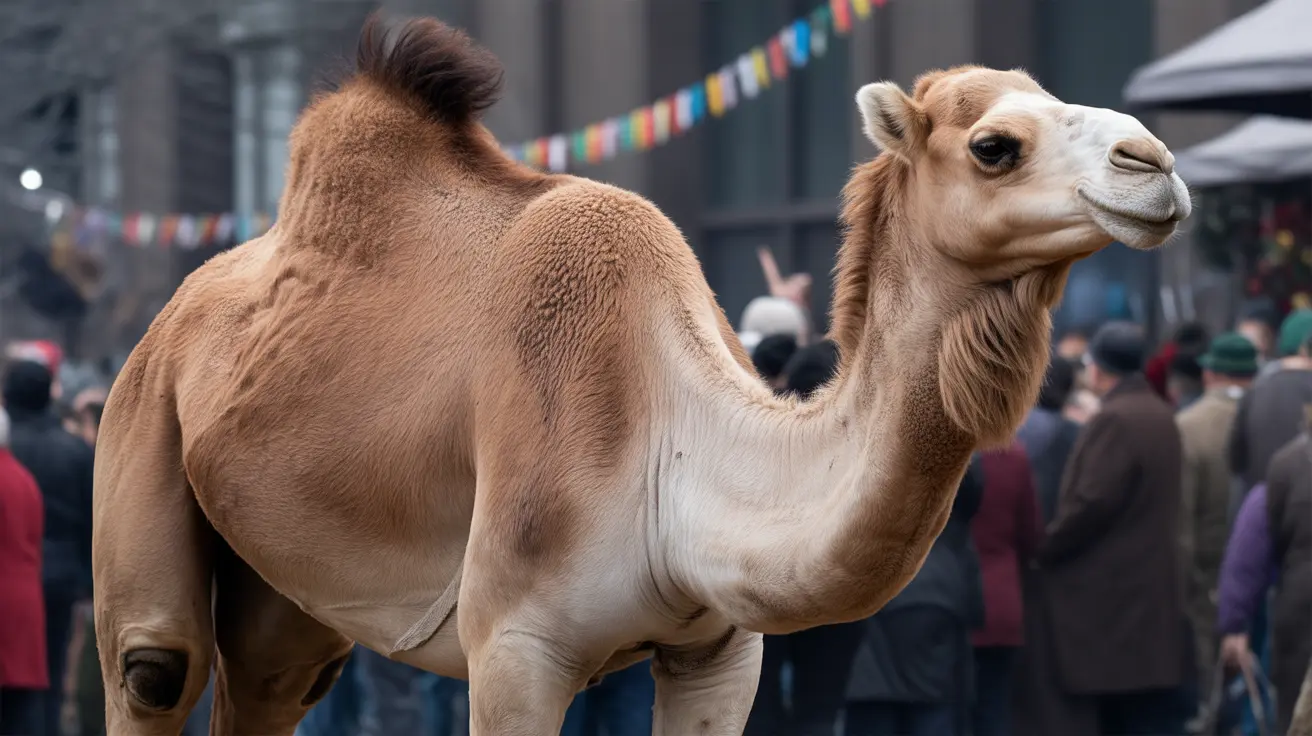
A disturbing incident at Champion Forest Baptist Church's Christmas Spectacular has raised serious questions about live animal safety in holiday performances. Federal records reveal that a camel kicked a churchgoer in the head during the December 13 event, leading to a USDA citation against the animal exhibitor and renewed calls from animal welfare advocates to eliminate live animals from nativity displays.
The incident highlights growing concerns about the risks posed by using exotic animals in church holiday performances, where stress, crowds, and unfamiliar environments can trigger unpredictable animal behavior. For pet owners and families attending such events, understanding these risks is crucial for making informed decisions about holiday entertainment.
USDA Animal Welfare Act Violations Lead to Federal Citation
Following the camel attack at the Christmas Spectacular, federal authorities cited the animal exhibitor Trunks and Humps for violations under the Animal Welfare Act. The citation underscores the serious nature of the incident and the ongoing regulatory challenges surrounding animal exhibitions at public events.
Animal exhibitors are required to maintain strict safety protocols and ensure proper animal handling to protect both the animals and the public. When these standards are not met, the consequences can be severe, as demonstrated by this head injury incident.
Live Animals Nativity Risks: Understanding Camel Behavior and Stress Factors
Camels, while generally docile animals, can become aggressive when stressed or feel threatened. Church holiday animal safety experts note that the combination of loud crowds, bright lights, unfamiliar surroundings, and handling by multiple people creates an environment where even well-trained animals may react unpredictably.
Animal behavior specialists explain that camels use kicking as a defense mechanism when they perceive danger or experience discomfort. In exhibition settings, factors such as prolonged performance times, close proximity to strangers, and disrupted feeding schedules can significantly elevate stress levels in these large animals.
Zoonotic Diseases and Additional Health Concerns
Beyond physical injury risks, live animal exhibitions also pose potential health hazards through zoonotic diseases - infections that can spread from animals to humans. These concerns are particularly relevant in crowded indoor venues where close contact between animals and attendees is common.
PETA Church Animal Warnings and Industry Response
Animal welfare organizations have long advocated against using live animals in holiday displays, citing both safety and ethical concerns. The Champion Forest Baptist Church camel incident reinforces these warnings and has prompted renewed calls for churches to reconsider their use of animal exhibits.
PETA and other advocacy groups argue that churches can create meaningful holiday experiences through alternative means that don't put animals or congregants at risk. They point to successful nativity displays using life-like figures or interactive multimedia presentations as safer alternatives.
Church Holiday Animal Safety: Best Practices for Event Organizers
For religious organizations that continue to use live animals, implementing comprehensive safety measures is essential. These include maintaining adequate barriers between animals and audiences, ensuring proper veterinary oversight, and having emergency response plans in place.
Event organizers should also consider the welfare of the animals themselves, providing appropriate rest periods, familiar handlers, and stress-reducing environments whenever possible.
Frequently Asked Questions
What happened when a camel kicked a woman at Champion Forest Baptist Church's Christmas Spectacular?
During the December 13 Christmas Spectacular at Champion Forest Baptist Church, a camel from the animal exhibition kicked a churchgoer in the head. This incident led to federal authorities citing the animal exhibitor Trunks and Humps for violations under the Animal Welfare Act.
Why do camels kick people during live nativity scenes at church events?
Camels may kick when they feel stressed, threatened, or uncomfortable. Church environments with crowds, loud noises, bright lights, and unfamiliar surroundings can trigger defensive behaviors in these animals, even when they are generally well-trained.
Is it safe to use live animals like camels in holiday church performances?
Using live animals in church holiday performances carries inherent risks, including potential for physical injury and exposure to zoonotic diseases. The stress of performance environments can make even docile animals unpredictable, as demonstrated by the Champion Forest Baptist Church incident.
What are the USDA rules for animal exhibitors like Trunks and Humps at public events?
Animal exhibitors must comply with the Animal Welfare Act, which requires proper animal care, safety protocols, and handling procedures. Violations can result in federal citations and other regulatory actions, as occurred following the camel incident.
Moving Forward: Balancing Tradition and Safety
The camel attack at Champion Forest Baptist Church serves as a stark reminder that live animal exhibitions carry serious risks that extend beyond entertainment value. As religious communities reflect on their holiday traditions, prioritizing the safety of both congregants and animals should guide future decisions about nativity displays.
For families attending holiday events featuring live animals, awareness of these risks can help inform decisions about participation and proximity to animal exhibits. The goal should always be creating meaningful, safe celebrations that honor both tradition and responsible animal welfare.




