
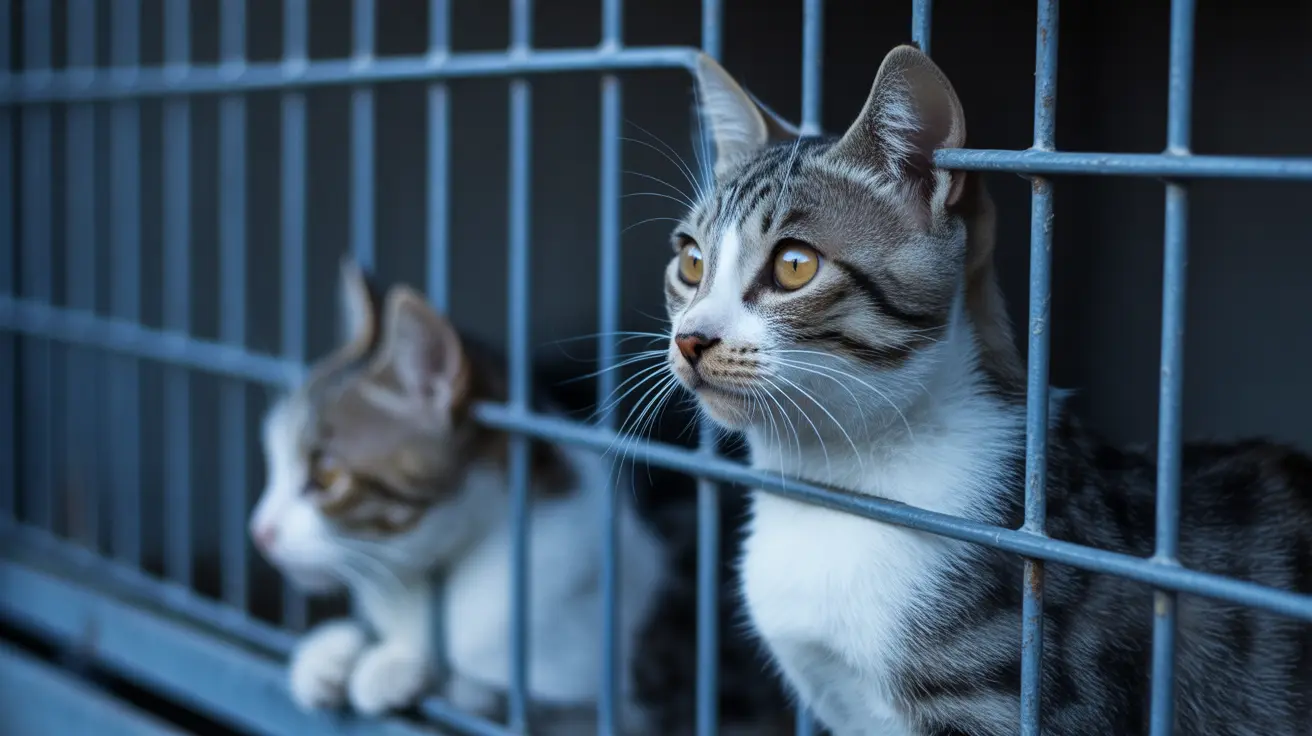
In a significant Henderson animal hoarding rescue operation on April 16, 2026, Animal Protection Services (APS) removed more than 40 animals from unsafe and unsanitary conditions at a residential property in the Las Vegas valley. The rescued animals included dogs, cats, turtles, birds, ferrets, and other species, highlighting the serious public health and animal welfare concerns associated with hoarding situations.
This Nevada animal cruelty case 2026 serves as a stark reminder for pet owners and community members about the importance of recognizing signs of animal neglect and understanding proper pet care standards. The incident underscores the critical role that animal welfare organizations play in protecting vulnerable animals and the ongoing challenges faced by authorities in addressing hoarding situations throughout Clark County.
Understanding Animal Hoarding and Its Consequences
The Las Vegas valley hoarding incident represents a complex situation that extends beyond simple pet ownership. Animal hoarding typically involves the accumulation of animals beyond an individual's ability to provide proper care, often resulting in deteriorated living conditions for both the animals and humans involved.
The rescued animals Henderson NV case demonstrates how quickly situations can escalate when proper veterinary care, nutrition, and sanitation are compromised. Animals in hoarding situations frequently suffer from malnutrition, untreated medical conditions, and psychological stress due to overcrowding and inadequate socialization.
Signs of Pet Hoarding Communities Should Recognize
Recognizing animal neglect signs is crucial for community members who may witness concerning situations. Common indicators include strong odors emanating from properties, excessive numbers of animals visible through windows, animals appearing malnourished or unkempt, and property owners who seem overwhelmed or unable to provide basic information about their pets' health status.
The Clark County APS rescue emphasizes the importance of community vigilance in protecting animal welfare. Neighbors and community members play a vital role in reporting suspected cases to authorities before conditions deteriorate further.
The Complexity of Exotic Pet Hoarding
This particular case involved multiple species, making it an exotic pet hoarding situation that presents additional challenges for rescue and rehabilitation efforts. Different species have varying care requirements, specialized dietary needs, and unique environmental conditions necessary for their wellbeing.
Exotic animals often require specialized veterinary care and rehabilitation protocols, making their recovery more complex than traditional domestic pets. The diversity of species in this Henderson case likely required coordination with multiple animal welfare organizations and exotic animal specialists.
Animal Rehabilitation After Hoarding Situations
Animal rehabilitation after hoarding involves comprehensive medical evaluations, behavioral assessments, and gradual socialization programs. Many animals rescued from hoarding situations require extended care to address both physical health issues and psychological trauma resulting from their experiences.
Rehabilitation programs typically focus on restoring proper nutrition, treating medical conditions, and helping animals develop appropriate social behaviors. The process can take weeks or months, depending on the severity of neglect and the individual animal's resilience.
Legal Framework and Prevention
Nevada animal cruelty laws provide the legal foundation for investigating and prosecuting cases of animal neglect and abuse. These laws enable authorities to remove animals from dangerous situations and pursue appropriate legal consequences for individuals who fail to provide adequate care.
Understanding hoarding prevention tips can help communities address these situations before they reach crisis levels. Early intervention, mental health support, and education about proper pet care standards are essential components of prevention efforts.
Community Support and Animal Welfare Henderson
Following rescue operations, animal welfare Henderson organizations often coordinate efforts to provide immediate care and work toward finding permanent homes for rescued animals. These efforts require significant community support, including donations, volunteer assistance, and potential adopters willing to provide loving homes.
The process of caring for large numbers of rescued animals places considerable strain on local animal welfare resources, making community involvement essential for successful outcomes.
Frequently Asked Questions
What happened in the Henderson Nevada animal hoarding rescue on April 16 2026?
Animal Protection Services discovered more than 40 animals living in unsafe and unsanitary conditions at a Henderson residence. The animals, including dogs, cats, turtles, birds, ferrets, and other species, were removed from the property to ensure their safety and wellbeing.
What are the signs of animal hoarding and neglect that neighbors should report to authorities?
Key warning signs include strong odors from properties, visible overcrowding of animals, animals appearing malnourished or receiving inadequate care, and property conditions that suggest the owner is overwhelmed. Community members should report these concerns to local animal control or protection services.
How can I help with adoptions or donations after the Henderson 40+ animal hoarding rescue?
Contact local animal welfare organizations and Animal Protection Services to inquire about donation needs, volunteer opportunities, and adoption processes. These organizations typically need supplies, financial support, and qualified adopters willing to provide permanent homes for rescued animals.
Moving Forward
The Henderson animal hoarding rescue demonstrates the ongoing need for community awareness and support of animal welfare initiatives. By understanding the signs of neglect and supporting local animal protection efforts, community members can help prevent similar situations and ensure that all animals receive the care they deserve.
This case serves as an important reminder that responsible pet ownership involves providing adequate space, nutrition, veterinary care, and attention to meet each animal's individual needs, regardless of species or circumstances.




