
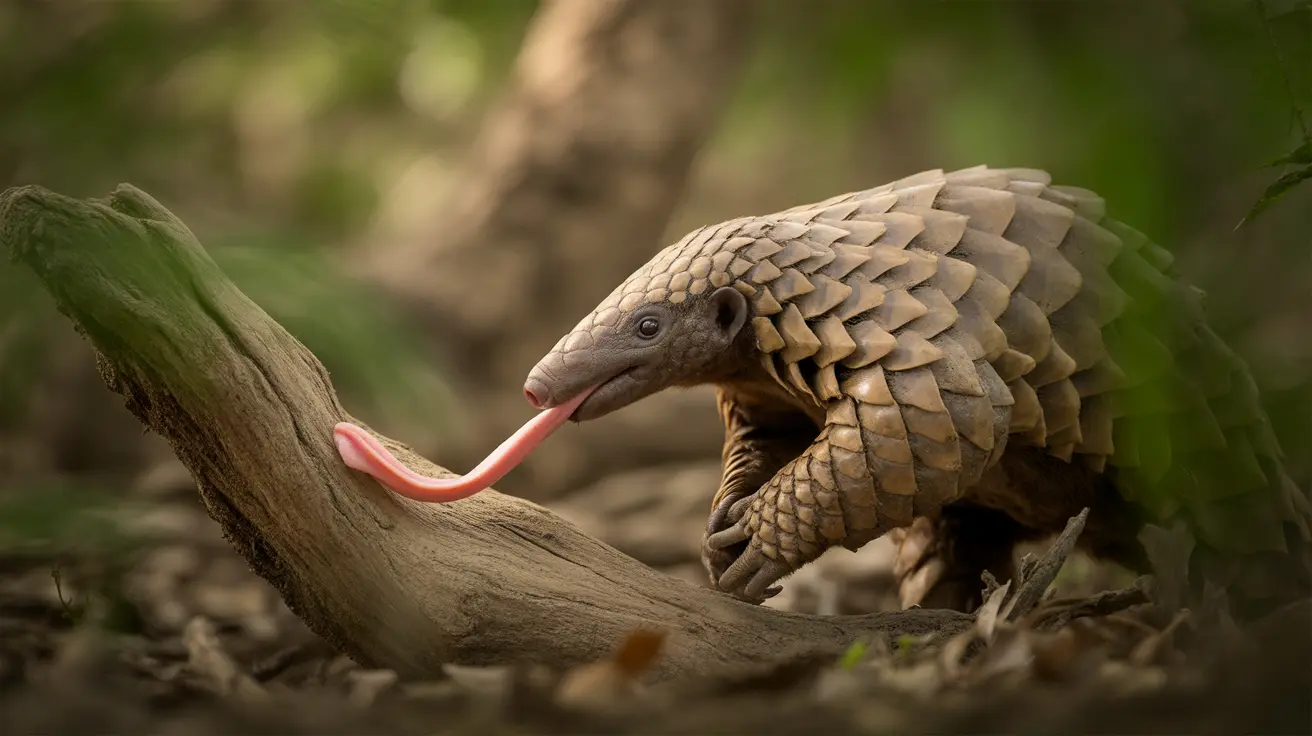
The world's most trafficked mammal has just revealed one of its best-kept secrets. Through groundbreaking genetic research on scales seized from illegal wildlife trade operations, scientists have uncovered two previously unknown pangolin species that have been hiding in plain sight. This remarkable discovery of new pangolin species highlights both the incredible biodiversity we're still uncovering and the urgent conservation crisis facing these unique mammals.
The identification of these hidden pangolin species came through an unexpected source—DNA analysis of pangolin scales confiscated from traffickers. This innovative approach to species discovery demonstrates how the illegal pangolin trade, while devastating to existing populations, has inadvertently provided researchers with genetic material that revealed the existence of Manis indoburmanica and Manis mysteria, two cryptic pangolin lineages that had never been formally recognized by science.
The Most Trafficked Mammal Reveals Its Secrets
Pangolins hold the unfortunate distinction of being the most trafficked mammal globally, with their scales highly valued in traditional medicine markets despite having no proven medical benefits. These scales are made of keratin—the same material as human fingernails—yet the demand for them has driven all eight previously known pangolin species to critical endangerment.
The pangolin trafficking crisis inadvertently became a source of scientific discovery when researchers began conducting pangolin genetic research on confiscated scales. Through sophisticated DNA analysis techniques, scientists were able to identify genetic signatures that didn't match any known species, leading to the formal recognition of these new pangolin species.
Understanding Asian Pangolin Species and African Pangolin Species
The pangolin family is divided between Asian pangolin species and African pangolin species, each facing unique conservation challenges. The newly discovered species appear to be part of the Asian lineage, adding to the complexity of pangolin conservation efforts in a region already struggling with intensive trafficking pressure.
These critically endangered pangolins represent evolutionary lineages that have been developing separately for potentially millions of years, yet their existence only came to light through the tragic circumstances of the illegal pangolin trade. This discovery underscores how much we still don't know about the natural world, particularly species that are secretive and difficult to study in their natural habitats.
Implications for Pangolin Conservation
The discovery of these cryptic pangolin lineages has profound implications for conservation efforts. Each newly identified species represents a unique evolutionary heritage that could be lost forever if current trafficking trends continue. Pangolin conservation strategies must now account for these previously unknown species, potentially requiring revised protection measures and habitat assessments.
The identification of Manis indoburmanica and Manis mysteria through trafficked specimens raises troubling questions about how many other hidden species might be disappearing before science even knows they exist. This phenomenon, sometimes called "dark extinction," represents one of the most pressing challenges in modern conservation biology.
The Science Behind the Discovery
The breakthrough in identifying these new pangolin species relied on advanced genetic sequencing techniques applied to pangolin scales trafficking evidence. Researchers were able to extract viable DNA from scales that had been processed for illegal trade, demonstrating the resilience of genetic material and the potential for forensic genetics to contribute to biodiversity science.
This approach represents a new frontier in species discovery, where conservation enforcement and scientific research intersect. The genetic analysis not only helps identify the geographic origins of trafficked pangolin products but also reveals the hidden diversity within what were previously thought to be single species.
Frequently Asked Questions
What are the newly discovered pangolin species from genetic research on trafficked scales?
The two newly identified species are Manis indoburmanica and Manis mysteria, discovered through DNA analysis of pangolin scales confiscated from illegal wildlife trade operations. These cryptic species had been hiding within what were previously thought to be single species populations.
Why are pangolins the most trafficked mammals in the world?
Pangolins are highly sought after for their scales, which are incorrectly believed to have medicinal properties in traditional medicine. Their meat is also considered a delicacy in some regions. Despite their scales being made of the same keratin as human fingernails, the demand has made pangolins the target of intensive trafficking operations.
How many pangolin species are currently recognized, and what is their conservation status?
With these new discoveries, the number of recognized pangolin species has increased beyond the original eight. All known pangolin species are considered critically endangered or vulnerable, making them among the world's most threatened mammal groups.
A Race Against Time
The discovery of these hidden pangolin species serves as both a scientific triumph and a conservation wake-up call. While genetic research continues to reveal the true diversity of pangolin populations, the illegal wildlife trade threatens to drive these newly discovered species to extinction before we fully understand their biology, behavior, and ecological roles. The fight to protect pangolins has become more complex and more urgent than ever before.




