
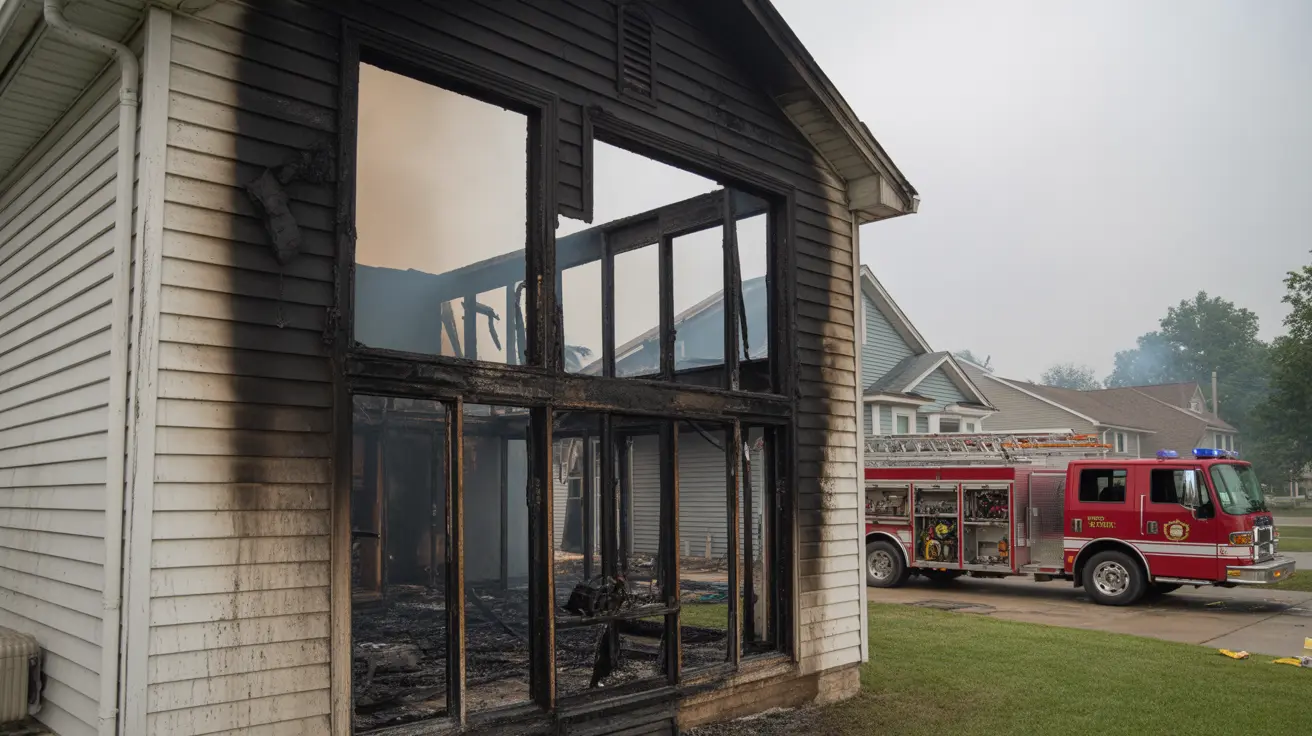
A devastating house fire in Queensbury has claimed the life of a beloved community member known for her dedication to animal welfare, serving as a sobering reminder of the importance of comprehensive pet fire safety measures. This tragic incident underscores why every pet owner needs a thorough fire evacuation plan and proper safety protocols to protect their furry family members.
The loss has deeply affected the local community, where the victim was well-regarded for her compassion toward animals. While the investigation into the fire's cause continues, this heartbreaking event emphasizes the critical need for pet owners to take proactive steps in safeguarding their homes and preparing emergency evacuation strategies that include all family members—both human and animal.
Essential Pet Fire Safety Measures Every Owner Should Know
House fires can spread rapidly, leaving little time for evacuation. Pet owners face unique challenges during these emergencies, as animals may hide, panic, or become difficult to locate quickly. Establishing comprehensive house fire pet safety tips can mean the difference between life and death for beloved companions.
The most effective approach involves creating multiple layers of protection: prevention, preparation, and emergency response. Each layer plays a crucial role in keeping pets safe from fire-related dangers that can occur year-round but are particularly prevalent during colder months when heating systems work overtime.
How to Protect Pets from House Fires Through Prevention
Many house fires involving pets start from preventable causes. Pet-proof home fire hazards by securing electrical cords that curious animals might chew, removing pets from kitchen areas during cooking, and ensuring candles are never left unattended around animals. Install quality smoke detectors throughout your home, including areas where pets spend the most time.
Space heater pet safety requires special attention during winter months. Keep portable heaters away from pet beds, toys, and areas where animals play. Ensure proper clearance around heating devices and never leave them running unattended with pets in the room.
Developing a Comprehensive Pet Evacuation Plan Fire Strategy
A well-designed pet evacuation plan fire protocol should include multiple exit routes, designated meeting points, and pre-packed emergency supplies for each pet. Practice evacuation drills regularly so pets become familiar with the process and respond more calmly during actual emergencies.
Keep carriers, leashes, and travel crates easily accessible near exits. Maintain current identification tags and ensure all pets have updated microchips with current contact information. Consider pet alert window clings that inform firefighters about the number and types of animals in your home—this simple tool can help emergency responders locate and rescue pets more efficiently.
Winter Pet Fire Risks and Fireplace Safety
Cold weather brings increased winter pet fire risks as families rely more heavily on heating systems. Fireplace safety for dogs cats requires installing protective screens, maintaining proper clearance from the hearth, and never leaving animals unsupervised near open flames. Wood-burning stoves and fireplaces should have spark guards and proper ventilation to prevent carbon monoxide buildup.
Schedule annual inspections of heating systems, chimneys, and electrical wiring to identify potential hazards before they become dangerous. Replace smoke detector batteries twice yearly and test units monthly to ensure proper function.
Emergency Response and Professional Help
During a fire emergency, never re-enter a burning building to rescue pets—this puts both human and animal lives at additional risk. Instead, inform firefighters immediately about pets inside and their likely locations. Professional responders have proper equipment and training to conduct safe rescues.
If you must evacuate quickly, don't spend valuable time searching for hiding pets. Focus on getting humans to safety first, then provide firefighters with detailed information about your animals' usual hiding spots and behaviors.
Frequently Asked Questions
How can I pet-proof my home to prevent pets from starting a house fire?
Secure electrical cords away from pets, remove animals from cooking areas, never leave candles unattended around pets, and ensure space heaters have adequate clearance from pet beds and toys. Install covers on stove knobs and keep pets away from open flames or heating elements.
What should I include in a fire evacuation plan for my pets?
Your plan should include multiple exit routes, easily accessible carriers and leashes near exits, emergency supply kits for each pet, current identification and microchip information, designated meeting points outside, and regular practice drills to familiarize pets with the evacuation process.
Why shouldn't pet owners re-enter a burning house to save their animals?
Re-entering a burning building significantly increases the risk of human casualties without guaranteeing pet rescue. Professional firefighters have proper protective equipment, training, and rescue techniques. Instead, immediately inform emergency responders about pets inside and their likely locations.
Protecting Our Furry Family Members
This tragic loss in Queensbury serves as a powerful reminder that fire safety planning must include every member of the family, including our beloved pets. By implementing comprehensive prevention strategies, maintaining proper emergency preparedness, and educating ourselves about potential hazards, we can significantly reduce the risks our animals face.
Take time today to review your home's fire safety measures and develop or update your pet evacuation plan. These proactive steps honor the memory of those we've lost while protecting the precious animals in our care.




