
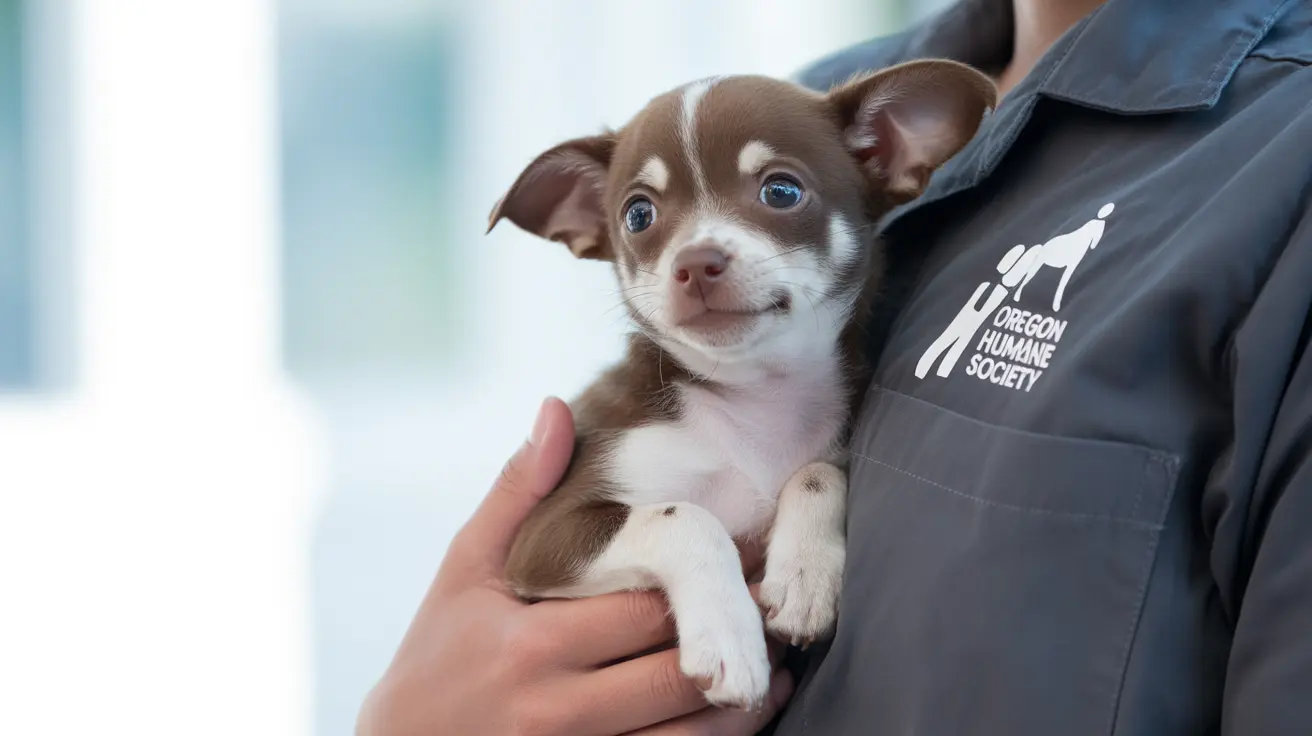
Oregon Humane Society Emergency Response
As one of the Pacific Northwest's leading animal welfare organizations, the Oregon Humane Society has built a reputation for responding to crisis situations throughout the region. Their involvement in rural animal rescue operations demonstrates the collaborative approach often necessary when addressing large-scale neglect cases.
The organization's Portland facilities provide the infrastructure needed to handle multiple animals requiring immediate care. This includes veterinary services, quarantine areas, behavioral assessment spaces, and temporary housing while animals recover from their experiences.
What Happens During Animal Cruelty Investigation
When authorities investigate suspected animal cruelty cases, several steps typically unfold. Local law enforcement or animal control officers conduct initial assessments to determine the scope of the situation. If conditions warrant removal, they coordinate with rescue organizations that have the capacity to handle multiple animals.
Each rescued dog and cat undergoes comprehensive health evaluations to identify medical needs, behavioral concerns, and recovery timelines. Some animals may require extensive veterinary care, while others might need primarily nutritional rehabilitation and socialization.
Supporting Rural Communities in Animal Welfare
Rural animal rescue operations present unique challenges compared to urban situations. Remote locations can limit access to veterinary services, and smaller communities may lack specialized animal control resources. When neglect cases involve numerous animals, local facilities often cannot accommodate the sudden influx.
This Christmas Valley animal rescue exemplifies how regional cooperation works in practice. By transporting animals to Portland, authorities ensured each animal could receive appropriate care without overwhelming local resources.
Emergency Pet Care and Recovery Process
Animals removed from neglect situations often require specialized emergency pet care protocols. Initial veterinary assessments typically include basic health screenings, vaccinations if needed, and treatment for any immediate medical concerns.
The recovery process varies significantly based on each animal's condition. Some may be ready for adoption relatively quickly, while others need weeks or months of rehabilitation. During this time, animals receive proper nutrition, medical treatment, and behavioral support to prepare them for their eventual placement in loving homes.
Animal Welfare Laws Oregon
Oregon maintains specific animal welfare laws designed to protect animals from neglect and abuse. These laws define standards for basic care, including adequate food, water, shelter, and veterinary attention when needed. When violations occur, authorities can remove animals and pursue legal action against owners.
Understanding these laws helps community members recognize when intervention might be necessary and provides the legal framework for rescue operations like the one in Lake County.
How Communities Can Help
Supporting animal shelters through donations of money, supplies, or volunteer time helps organizations maintain their capacity to respond to emergency situations. The Oregon Humane Society and similar organizations rely on community support to fund their rescue operations and provide care for animals in need.
Pet owners can also contribute by ensuring their own animals receive proper care and by staying informed about animal welfare resources in their communities.
Frequently Asked Questions
How can I report animal neglect or abuse in my community?
Contact your local animal control office, law enforcement, or animal welfare organization. Most areas have dedicated hotlines for reporting suspected animal cruelty cases. Provide as much specific information as possible about the location, animals involved, and observed conditions.
What happens to rescued animals after they're taken from neglectful conditions?
Rescued animals typically undergo veterinary evaluations, receive necessary medical treatment, and are provided proper nutrition and care. After recovery and any required quarantine periods, animals are assessed for adoption readiness and placed in appropriate homes.
How long does it take for rescued animals to be available for adoption?
The timeline varies based on each animal's physical and behavioral condition. Some animals may be ready within days, while others require weeks or months of rehabilitation. Organizations prioritize the animals' wellbeing over quick placement timelines.
What signs should I look for to identify animal neglect in my neighborhood?
Warning signs include animals without adequate food, water, or shelter; visible injuries or illness without veterinary care; animals confined in unsanitary conditions; or pets showing signs of extreme fear or aggression that suggest mistreatment.
How can I support animal rescue organizations like the Oregon Humane Society?
Support options include monetary donations, volunteering time, donating supplies like food and blankets, fostering animals temporarily, and helping spread awareness about adoption opportunities and animal welfare issues in your community.




