
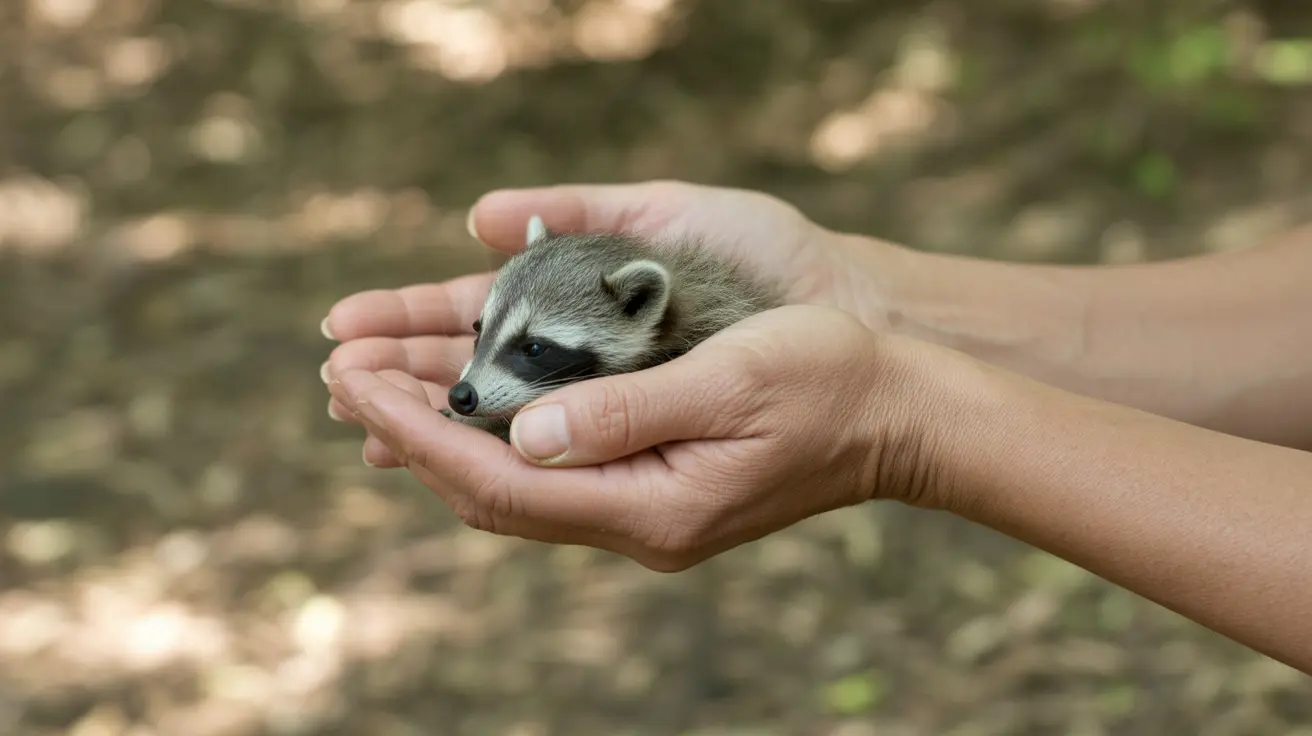
Why Spring Creates More Orphaned Wildlife Emergencies
Spring weather patterns create unique challenges for wildlife families. Sudden temperature drops, severe storms, and unpredictable weather conditions can separate baby animals from their mothers or destroy nests and dens. Additionally, increased human outdoor activities during warmer months often lead to accidental disturbances of wildlife habitats.
The timing of spring births coincides with these environmental stressors, making baby squirrels, rabbits, birds, and other wildlife particularly vulnerable. Many young animals found alone may not actually be orphaned, as mother animals often leave their babies for extended periods while foraging. However, truly orphaned animals require immediate professional intervention to survive.
How Facebook Animal Rescue Groups Coordinate Community Response
The Quad Cities wildlife group has leveraged Facebook's connectivity to create an efficient network for baby animal emergencies. Community members can quickly post about found wildlife, share photos for species identification, and receive guidance from experienced rehabilitators within minutes rather than hours.
These Facebook animal rescue groups serve multiple functions beyond immediate response. Members share educational content about preventing baby animal orphans, provide seasonal reminders about nesting periods, and maintain lists of licensed wildlife rehab facilities. The real-time communication allows for rapid deployment of resources and expertise when baby animals need help most.
Essential Guidelines for Baby Squirrel Rescue and Baby Rabbit Care
When community members encounter potentially orphaned baby animals, proper assessment and handling procedures are critical. The "rule of 3s wildlife" principle helps determine urgency: if a baby animal appears cold, injured, or has been alone for more than three hours during daylight, intervention may be necessary.
For baby squirrel rescue situations, responders should look for signs of injury, dehydration, or obvious distress before removing the animal from its location. Baby rabbit care requires even more caution, as rabbit mothers only visit their young twice daily, making abandonment harder to confirm. Both species require specialized diets and cannot safely consume cow's milk or common household foods.
Supporting Wildlife Rehabilitators Near Me
Licensed wildlife rehabilitators serve as the backbone of successful baby animal rescue operations. These trained professionals possess the permits, facilities, and expertise necessary to properly care for orphaned wildlife until they can be released back into their natural habitats.
Community members can support these efforts by learning to identify when intervention is truly needed versus when baby animals should be left undisturbed. Spring baby bird rescue, in particular, requires careful consideration, as many fledgling birds naturally spend time on the ground while learning to fly.
Preventing Spring Storm Orphans Through Community Awareness
Proactive community wildlife conservation efforts focus on reducing the number of baby animals that become orphaned in the first place. This includes educating residents about timing outdoor activities to avoid nesting seasons, properly securing garbage that might attract animals near human dwellings, and understanding how to coexist with wildlife during peak breeding periods.
When severe weather is forecast, community members can take steps to minimize impacts on local wildlife habitats. Simple actions like securing outdoor furniture, avoiding tree trimming during nesting season, and keeping pets indoors during storms can significantly reduce wildlife displacement.
Frequently Asked Questions
What should I do if I find a baby squirrel or rabbit during spring storms?
First, observe from a distance to determine if the animal is truly orphaned. Look for signs of injury, hypothermia, or prolonged separation from mother. Contact local wildlife rehabilitators or Facebook rescue groups for guidance before intervening. Only handle the animal if it's clearly in immediate danger.
How do I know if a baby animal like a fawn or bird is truly orphaned and needs rescue?
Many baby animals are naturally left alone while mothers forage. Wait several hours while monitoring from a distance. Signs of true orphaning include visible injuries, weakness, crying continuously for extended periods, or presence of deceased mother nearby. When in doubt, contact wildlife professionals for assessment.
Can I feed baby wildlife I find, and what should I use instead of cow's milk?
Never feed found baby wildlife without professional guidance. Cow's milk and most human foods can be fatal to baby animals. Each species requires specific formulas and feeding techniques. Contact licensed wildlife rehabilitators immediately for proper feeding instructions if temporary care is necessary before professional help arrives.
Building Stronger Communities Through Wildlife Conservation
The success of baby animal rescue efforts in the Quad Cities demonstrates how technology and community engagement can create powerful conservation outcomes. These Facebook groups have transformed isolated individual encounters with wildlife into coordinated, educational community responses that benefit both animals and residents.
As spring continues to bring new wildlife challenges, the collaborative model established by these dedicated volunteers provides a blueprint for other communities seeking to protect their local baby animals. Through continued education, rapid response capabilities, and strong partnerships with licensed rehabilitators, communities can make a meaningful difference in wildlife conservation efforts.




