
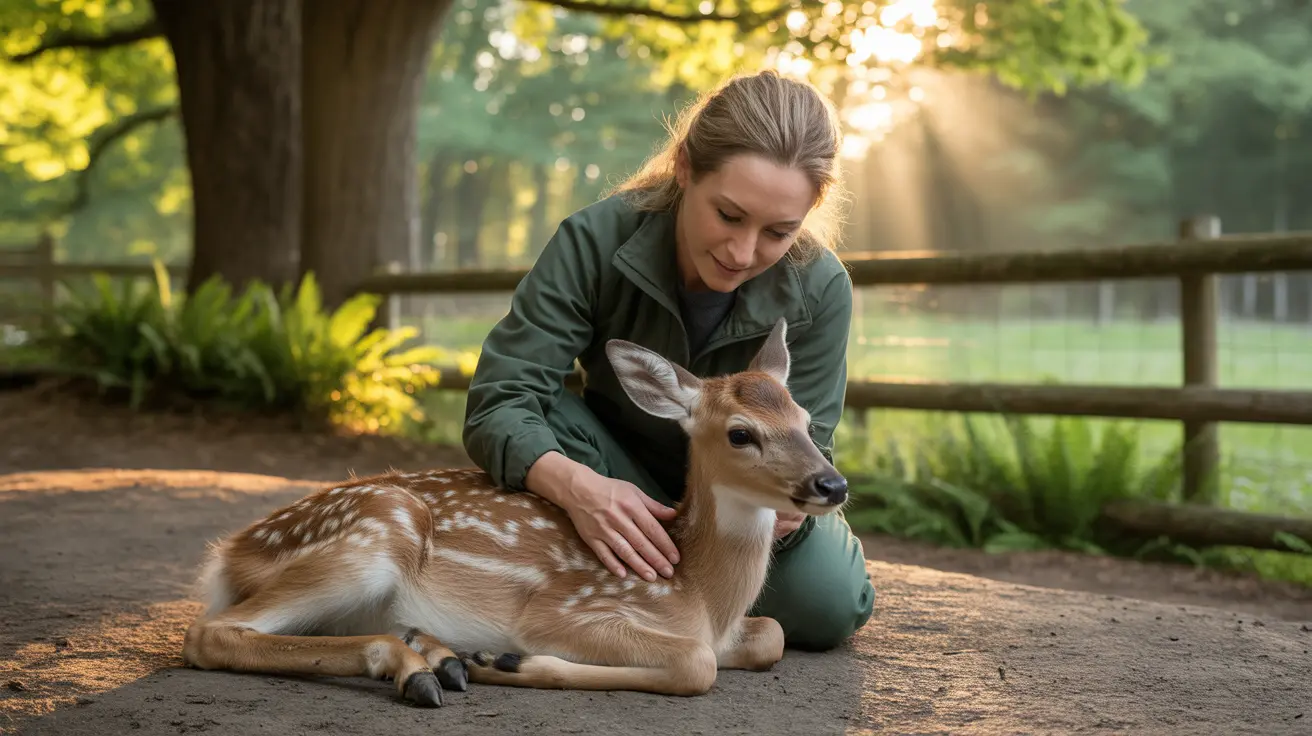
In the heart of South Carolina, the Wild Things Freedom Center stands as a beacon of hope for injured and orphaned wildlife. This remarkable facility, operated by a dedicated couple, has become a sanctuary where everything from bundled-up raccoons and doe-eyed deer to sharp-eyed hybrid wolves find refuge and rehabilitation. For pet owners and wildlife enthusiasts alike, understanding the critical work of wildlife rehabilitation centers helps bridge the gap between domestic animal care and wild animal conservation.
The Wild Things Freedom Center represents more than just a rescue operation—it's a comprehensive approach to South Carolina wildlife rehabilitation that addresses the complex needs of various species. From common backyard visitors like raccoons to more exotic residents such as hybrid wolves, this facility demonstrates the intricate balance required to successfully rehabilitate wild animals while educating the public about wildlife coexistence.
The Wildlife Rehab Process: From Rescue to Release
Wildlife rehabilitation involves a carefully orchestrated process that begins the moment an injured or orphaned animal arrives at the center. The Wild Things Freedom Center follows established protocols to assess each animal's condition, provide necessary medical care, and develop individualized rehabilitation plans. This process requires specialized knowledge of each species' dietary needs, behavioral patterns, and natural habitat requirements.
For many animals, the goal remains returning them to their natural environment once they've recovered. However, some residents become permanent ambassadors for their species when injuries or other factors make them non-releasable wildlife. These animals serve an important educational purpose, helping visitors understand wildlife behavior and conservation needs.
Rescue Injured Raccoons: Urban Wildlife Challenges
Raccoons frequently require intervention due to their proximity to human settlements. The center specializes in rescuing injured raccoons that have encountered vehicles, lost their mothers, or suffered other trauma. Young raccoons need extensive care, including proper nutrition, socialization with their own species, and gradual preparation for independent living.
The rehabilitation process for raccoons typically involves initial medical assessment, quarantine periods, and structured feeding schedules that mimic natural foraging behaviors. As omnivores, raccoons require diverse diets during recovery, and their natural curiosity must be channeled appropriately to ensure successful reintegration into wild populations.
Orphaned Deer Fawns and Specialized Care
Deer fawn rescue presents unique challenges, as these animals are particularly sensitive to human contact and stress. The Wild Things Freedom Center provides specialized care for orphaned deer fawns, ensuring they receive appropriate nutrition while minimizing human imprinting that could compromise their survival in the wild.
Successful deer rehabilitation requires creating environments that encourage natural behaviors while providing necessary medical care. Fawns must learn to forage independently and maintain their natural wariness of humans—critical skills for survival once released.
Hybrid Wolf Sanctuary: Complex Conservation Needs
Among the most challenging residents are hybrid wolves—animals that represent the intersection between domestic dogs and wild wolves. These animals often cannot be released into wild populations due to their mixed genetics and behavioral characteristics. The center's hybrid wolf sanctuary provides lifelong care for these unique animals while educating visitors about responsible pet ownership and wildlife conservation.
Caring for hybrid wolves requires specialized facilities, extensive behavioral understanding, and long-term commitment. These animals serve as powerful ambassadors for both domestic animal responsibility and wild wolf conservation efforts.
Wildlife Rehab Challenges and Conservation Education
Operating a wildlife rehabilitation center involves numerous challenges, from funding and volunteer coordination to navigating complex regulations governing wildlife care. The Wild Things Freedom Center addresses these challenges while maintaining high standards of animal care and public education.
Bobcat fox rehab and care for other predatory species require additional expertise and specialized facilities. These animals often arrive with injuries from vehicle strikes or habitat encroachment, highlighting the ongoing conflict between human development and wildlife preservation.
Frequently Asked Questions
What should I do if I find an injured raccoon or orphaned deer fawn in South Carolina?
If you encounter injured wildlife, contact your local wildlife rehabilitation center or state wildlife agency immediately. Do not attempt to feed or handle the animal yourself, as this can cause additional stress or injury. Keep pets and children away from the animal while waiting for professional help.
How does the Wild Things Freedom Center rehabilitate hybrid wolves and other wildlife?
The center uses species-specific rehabilitation protocols that include medical care, appropriate nutrition, behavioral conditioning, and gradual preparation for either release or permanent sanctuary care. Each animal receives individualized treatment based on its species, age, injury, and potential for successful reintegration into wild populations.
Why can't all rescued animals like bobcats or hybrid wolves be released back into the wild?
Some animals become non-releasable due to permanent injuries, behavioral imprinting on humans, genetic factors (like hybrid wolves), or other conditions that would compromise their survival in the wild. These animals often serve important educational roles, helping people understand wildlife conservation and the importance of preserving natural habitats.
Supporting Wildlife Conservation Efforts
The Wild Things Freedom Center's work extends beyond individual animal rescue to broader conservation education and community engagement. By supporting such facilities through donations, volunteering, or educational visits, communities can contribute to wildlife conservation efforts while learning about the delicate balance between human activities and wildlife preservation.
For pet owners, understanding wildlife rehabilitation reinforces the importance of responsible pet ownership, proper veterinary care, and respecting wildlife habitats. These centers remind us that every animal—whether domestic or wild—deserves compassionate care and protection.




