This week marks Animal Care and Control Appreciation Week, a special time dedicated to recognizing the countless individuals who devote their lives to caring for our four-legged friends and helping them find loving forever homes. Across communities like the Mother Lode region, animal shelters, rescue organizations, and dedicated professionals work tirelessly to provide essential services that protect both pets and the public.
From animal control officers responding to emergency calls to shelter volunteers spending weekends socializing cats and dogs, these unsung heroes form the backbone of animal welfare in our communities. Their efforts not only save individual lives but also contribute to broader public health and safety initiatives that benefit entire neighborhoods.
The Vital Role of Animal Control Officers
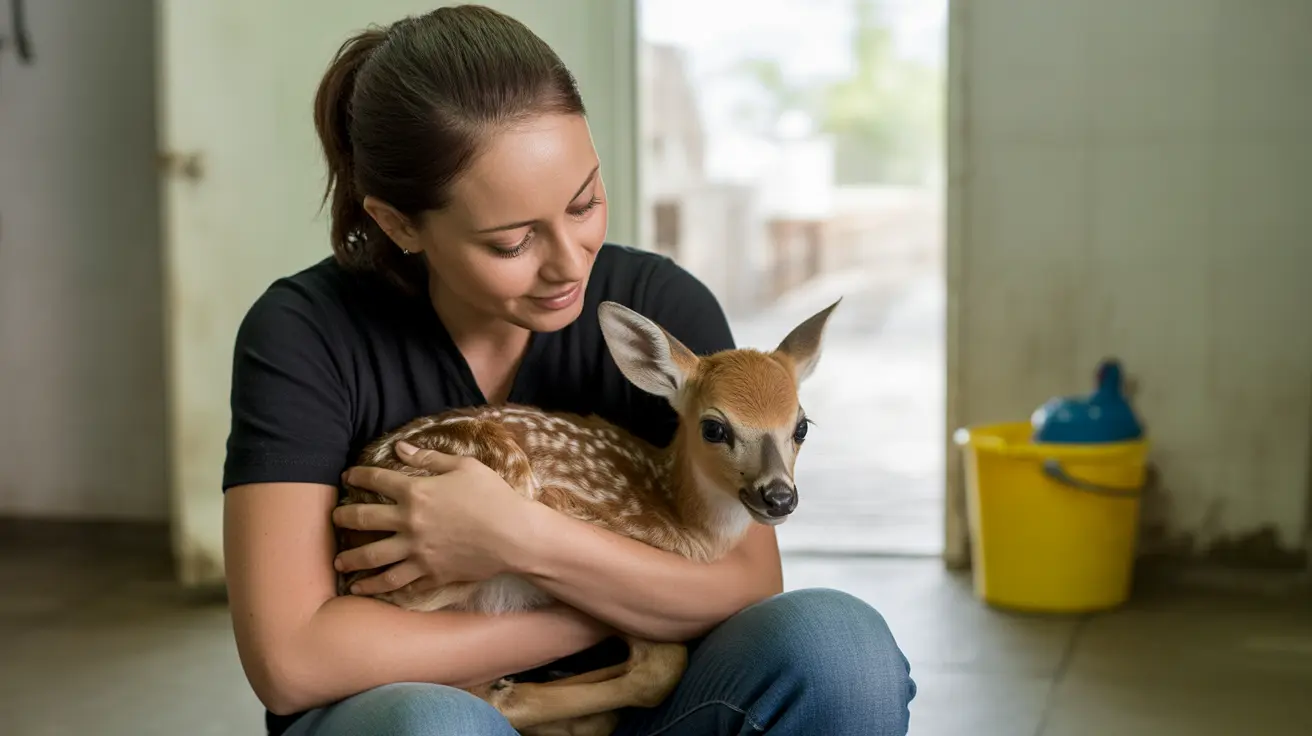
Animal control officers serve as the first line of defense for animals in distress. These professionals handle everything from rescuing injured wildlife to investigating cases of animal neglect and abuse. Their daily responsibilities extend far beyond what many people realize, including enforcing licensing requirements, responding to dangerous animal situations, and educating pet owners about responsible ownership.
Working in challenging conditions and often dealing with emotionally difficult situations, these officers require specialized training in animal behavior, public safety protocols, and conflict resolution. Their commitment ensures that both animals and community members remain safe while promoting humane treatment standards.
How Animal Shelters Reduce Euthanasia and Increase Adoptions
Modern animal shelters have transformed dramatically over recent decades, with many facilities implementing innovative programs to achieve no-kill status. These progressive shelters focus on comprehensive strategies that include medical care, behavioral rehabilitation, and creative adoption initiatives.
Successful adoption programs often feature meet-and-greet sessions, trial adoption periods, and thorough matching processes that ensure pets find compatible families. Many shelters also partner with local businesses, veterinary clinics, and community organizations to host adoption events that reach broader audiences.
Pet Overpopulation Solutions and TNR Programs
Communities across the Mother Lode region and beyond face ongoing challenges with pet overpopulation. Trap-Neuter-Return (TNR) programs have emerged as humane, effective solutions for managing feral cat colonies while reducing overall breeding rates. These initiatives require coordination between animal welfare programs, volunteers, and local veterinarians.
Beyond TNR efforts, comprehensive spay and neuter campaigns help address root causes of pet overpopulation. Many animal rescue organizations offer low-cost sterilization services, making these procedures accessible to pet owners who might otherwise face financial barriers to responsible pet care.
Foster Pet Programs: Extending Care Beyond Shelter Walls
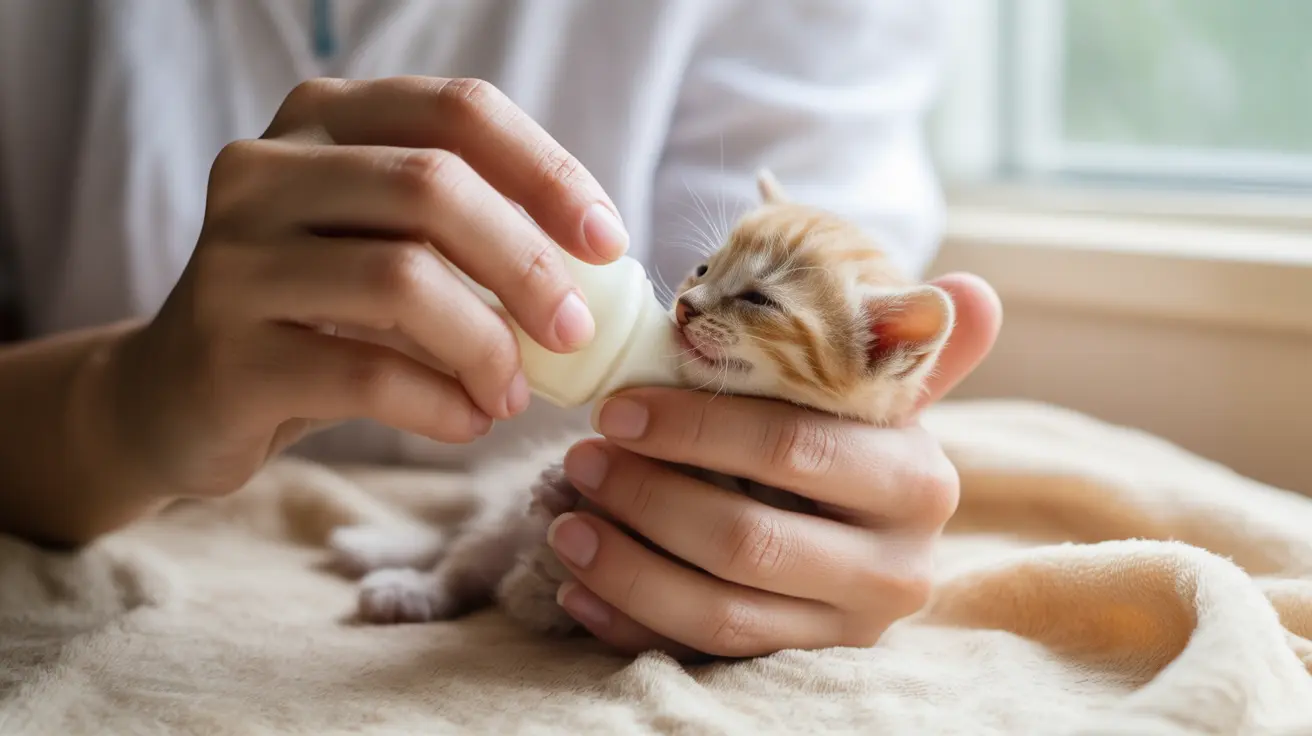
Foster programs provide critical support for animals who need specialized care, extended socialization, or simply more space than shelters can provide. Foster families offer temporary homes for pregnant animals, newborn litters, senior pets, and animals recovering from medical procedures or trauma.
These programs not only improve outcomes for individual animals but also increase shelter capacity, allowing facilities to help more pets overall. Foster volunteers receive training and ongoing support from shelter staff, creating networks of care that extend throughout entire communities.
Animal Shelter Volunteer Opportunities
Volunteers form the heart of many animal welfare operations, contributing skills ranging from basic animal care to specialized services like photography, transportation, and administrative support. Whether walking dogs, socializing cats, or helping with adoption events, volunteers make direct impacts on animal lives while supporting overworked staff members.
Many local animal rescues offer flexible volunteer schedules that accommodate various commitments and skill levels. From teenagers learning responsibility to retirees seeking meaningful ways to give back, volunteer programs welcome people from all backgrounds who share a passion for animal welfare.
How to Adopt a Pet from Local Shelters
The pet adoption process typically begins with browsing available animals online or visiting facilities in person. Prospective adopters should prepare for application procedures that may include reference checks, home visits, and waiting periods designed to ensure successful matches.
Shelter animals near you often come with medical histories, behavioral assessments, and sometimes basic training. Adoption fees usually cover vaccinations, spaying or neutering, and microchipping, representing significant value compared to purchasing these services separately.
Frequently Asked Questions
What is Animal Care and Control Appreciation Week and when is it celebrated?
Animal Care and Control Appreciation Week is an annual observance that recognizes the dedicated professionals and volunteers who work in animal shelters, rescue organizations, and animal control departments. The week celebrates their commitment to animal welfare and their efforts to protect both pets and communities.
How can I adopt a pet from a local animal shelter or rescue organization?
Start by researching shelters and rescue organizations in your area, then visit their websites or facilities to view available pets. Complete an adoption application, which may include references and a home visit. Be prepared for a waiting period while staff ensures a good match between you and your potential new pet.
What programs help reduce pet overpopulation in rural communities like the Mother Lode region?
Rural communities often implement Trap-Neuter-Return (TNR) programs for feral cats, low-cost spay and neuter clinics, and educational initiatives about responsible pet ownership. These programs work together to address overpopulation while supporting both owned and stray animals in the community.
As we celebrate Animal Care and Control Appreciation Week, take a moment to recognize the tremendous impact these dedicated individuals have on countless animal lives. Whether through adoption, volunteering, or simply spreading awareness, we can all support the vital work being done in our communities to protect and care for animals in need.