
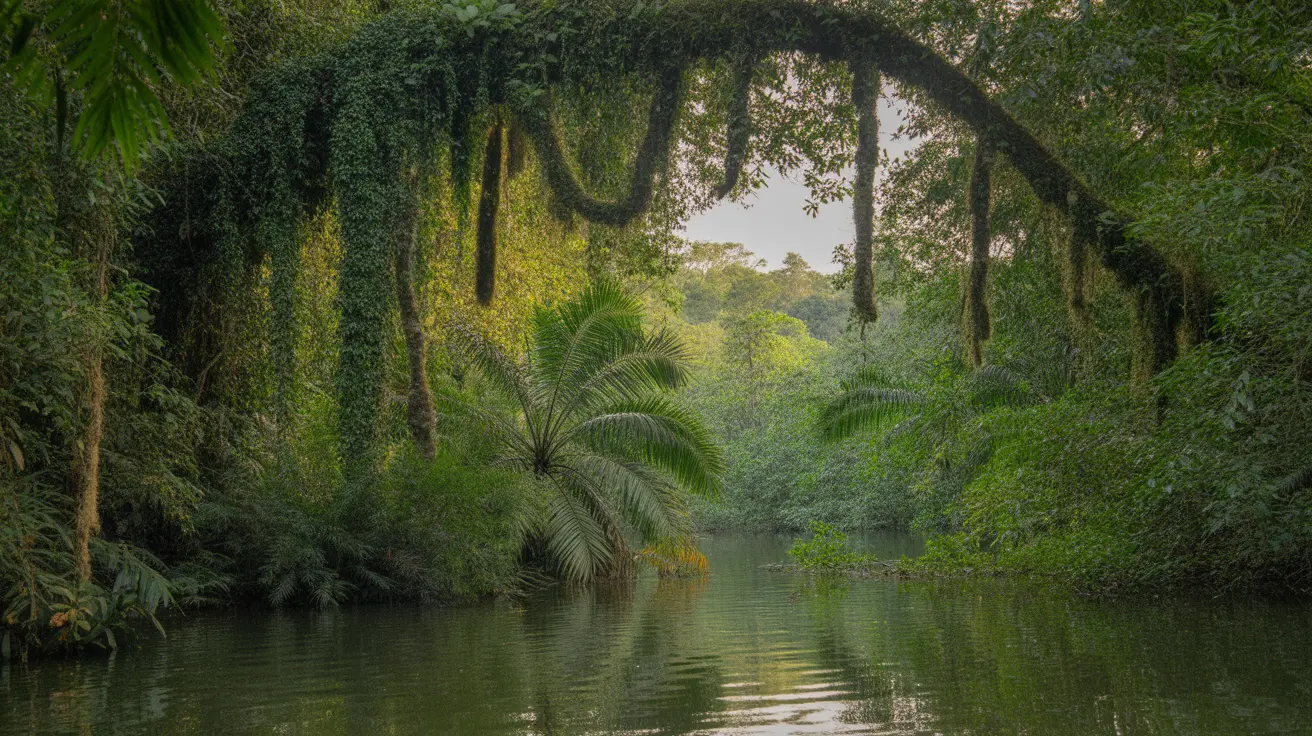
In an innovative conservation effort, researchers in Queensland have built 30 tiny concrete shelters designed specifically for ground-dwelling frogs in the Australian rainforest. This unique study aimed to understand which shelter designs the elusive robust whistling frog and other native species prefer, providing crucial insights for amphibian conservation efforts in the region.
The experimental "frog apartments" represent a creative approach to protecting vulnerable rainforest species that face mounting pressures from habitat loss and disease. By offering various shelter options, scientists hoped to learn more about the specific needs of these secretive creatures and how artificial habitats might support their survival.
Understanding the Robust Whistling Frog Crisis
The robust whistling frog (Cophixalus robustus) is among the Queensland rainforest frogs experiencing significant population declines. These small amphibians, native to the wet tropics of northeastern Australia, rely heavily on specific microhabitats for survival. Ground-dwelling frogs like the robust whistling frog are particularly vulnerable because they depend on precise environmental conditions for breeding, feeding, and protection from predators.
Conservation biologists have identified multiple threats facing these species, including the devastating chytrid fungus that has decimated amphibian populations worldwide. Climate change, habitat fragmentation, and invasive species further compound the challenges for Australian frog populations.
The Shelter Experiment in Paluma Range
The research project took place in the Paluma Range, a biodiversity hotspot within Queensland's wet tropics region. Scientists strategically placed 30 small concrete structures throughout the rainforest floor, each designed with different features to test frog preferences. The artificial frog habitats varied in entrance size, internal dimensions, and positioning to determine which characteristics attracted different species.
Among the species that moved into these experimental shelters were the southern nursery frog and cardamom poison frog, demonstrating that multiple wet tropics frog species could benefit from targeted habitat enhancement. The study revealed that narrow entrance frog shelters were particularly popular, likely because they provide better protection from predators while maintaining the humid conditions these amphibians require.
Implications for Frog Conservation Queensland
The success of this shelter experiment offers promising possibilities for broader conservation strategies. By understanding which design elements different species prefer, conservationists can create more effective artificial habitats to supplement natural refuges. This approach could be especially valuable in areas where natural shelter sites have been degraded or destroyed.
For pet owners interested in supporting local wildlife, this research highlights the importance of creating frog-friendly environments in gardens and outdoor spaces. Simple modifications like providing natural hiding spots, maintaining moisture levels, and avoiding pesticides can make residential areas more welcoming to native amphibians.
Supporting Amphibian Health in Your Area
While most pet owners focus on domestic animals, understanding local wildlife conservation can enhance overall ecosystem health. Creating wildlife-friendly spaces benefits all animals, including pets that enjoy outdoor time. Consider leaving natural debris like logs and rocks that can serve as shelter for native species, while ensuring your pets remain safe and supervised during outdoor activities.
Frequently Asked Questions
What are robust whistling frogs and why are they declining in Queensland rainforests?
Robust whistling frogs are small, ground-dwelling amphibians native to Queensland's wet tropics. They're declining due to multiple factors including chytrid fungus infections, habitat loss, climate change, and environmental degradation. These frogs require very specific microhabitat conditions to survive, making them particularly vulnerable to environmental changes.
How do different frog species choose their shelters in Australian wet tropics?
The research showed that frog species have distinct preferences for shelter characteristics. Many species, including the robust whistling frog, preferred shelters with narrow entrances that provide security from predators while maintaining necessary humidity levels. Different species selected shelters based on factors like entrance size, internal space, and positioning relative to moisture sources.
What shelter designs do robust whistling frogs prefer for protection?
Based on the experimental findings, robust whistling frogs and related species showed a strong preference for shelters with narrow openings. These designs offer optimal protection from predators while creating the humid microenvironments these amphibians need to prevent dehydration and maintain healthy skin conditions essential for their survival.
A Model for Future Conservation
This innovative research demonstrates how targeted habitat enhancement can support struggling wildlife populations. As amphibian declines continue globally, creative conservation approaches like artificial shelter programs may become increasingly important tools for protecting biodiversity.
The success of these tiny concrete apartments in attracting multiple frog species suggests that well-designed artificial habitats can effectively supplement natural refuges. This research provides a valuable blueprint for conservation efforts in other regions facing similar amphibian decline challenges.




