
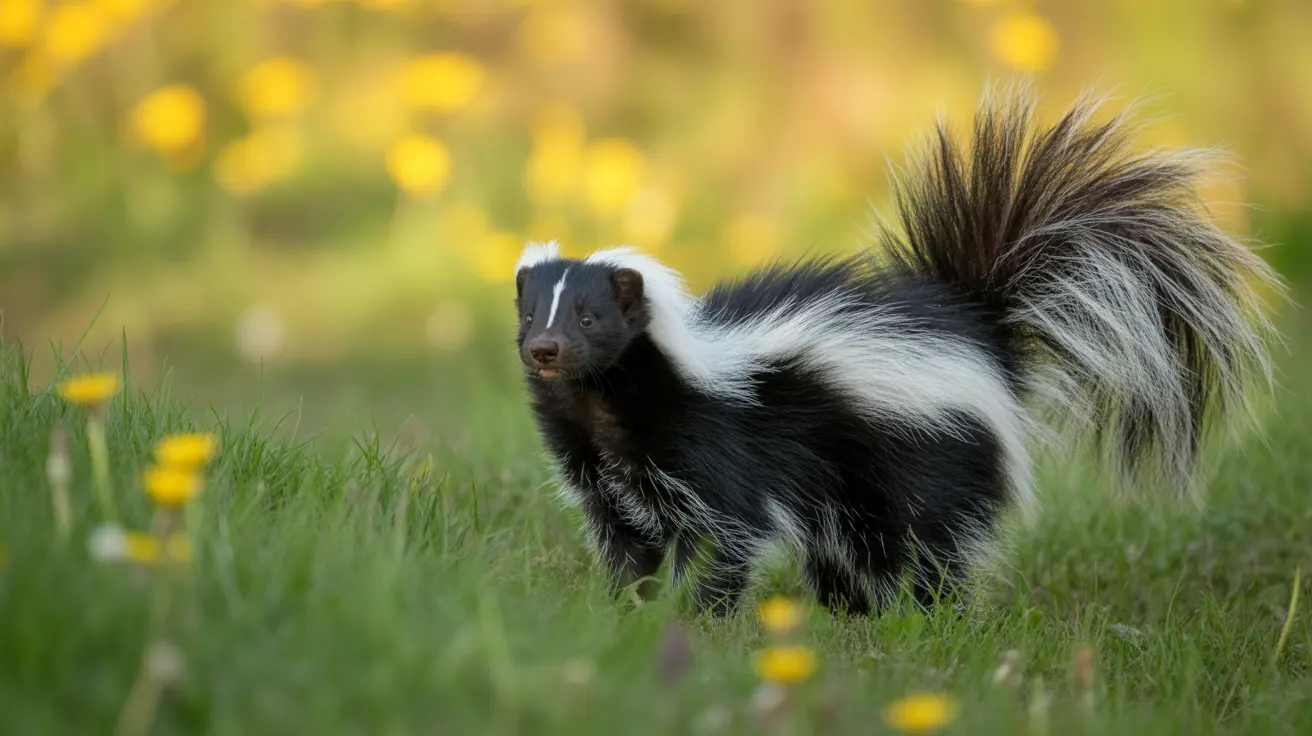
Colorado health officials have confirmed the state's first rabid animal of 2025 – a skunk that tested positive for the deadly virus. This early detection serves as a crucial reminder for pet owners across Colorado about the importance of rabies prevention and the ongoing wildlife rabies risk that poses serious threats to both pets and humans.
The confirmation of rabies in Colorado wildlife underscores the critical need for pet owners to maintain current vaccinations and remain vigilant about potential wildlife encounters. As we enter what experts consider the summer rabies season Colorado typically experiences, understanding the signs of rabid animals and taking preventive measures becomes essential for protecting our beloved companions.
Understanding Rabies Transmission Risks
Rabies is a viral disease that affects the nervous system of mammals, including pets and humans. The virus is primarily transmitted through the saliva of infected animals, typically through bites or scratches. Wild animals such as skunks, bats, raccoons, and foxes serve as common carriers in Colorado.
Pet owners should be particularly concerned because domestic animals can easily encounter infected wildlife in yards, parks, or during outdoor activities. Once symptoms of rabies appear, the disease is almost always fatal, making prevention through vaccination the only reliable protection strategy.
Pet Rabies Vaccination Requirements and Importance
Colorado law requires all dogs, cats, and ferrets to receive rabies vaccinations from licensed veterinarians. Initial vaccinations are typically administered when pets are 12-16 weeks old, with boosters following specific schedules depending on the vaccine type used.
Pet rabies vaccine requirements exist because vaccination provides the primary defense against this deadly disease. Even indoor pets should be vaccinated, as bats – common rabies carriers – can enter homes through small openings and potentially expose pets without owners realizing contact has occurred.
Recognizing Signs of Wild Animal Bite Rabies
Rabid animals often display unusual behavior that differs from normal wildlife patterns. Nocturnal animals like skunks appearing during daylight hours, animals showing loss of coordination, excessive aggression, or appearing unusually docile should raise immediate red flags for pet owners.
If your pet encounters a potentially rabid animal, immediate action is essential. Thoroughly wash any wounds with soap and water while wearing protective gloves, and contact your veterinarian immediately to discuss rabies post-exposure treatment options.
Colorado Wildlife Rabies Risk and Seasonal Patterns
Historical data shows that Colorado experiences increased wildlife activity during warmer months, elevating the potential for human and pet encounters with infected animals. Bats, in particular, become more active during summer months, increasing the likelihood of exposure incidents.
Property owners should take preventive measures such as securing garbage cans, removing pet food from outdoor areas, and sealing potential entry points where wildlife might seek shelter. These simple steps significantly reduce the chances of attracting potentially infected animals to residential areas.
Bat Rabies Symptoms and Detection Challenges
Bats present unique challenges for rabies detection because their bites may be nearly imperceptible. Bat bite detection requires careful attention to unusual bat behavior, such as being found on the ground during daylight hours or appearing disoriented and unable to fly properly.
Unlike larger mammals, infected bats may not show obvious aggressive behavior but instead may appear sick or lethargic. Any direct contact with bats, regardless of apparent bite marks, should prompt immediate medical and veterinary consultation.
Emergency Response and Prevention Strategies
Pet owners discovering potentially rabid animals on their property should never attempt removal themselves. Contact local animal control or public health departments for safe removal and testing. Quick reporting helps protect the broader community while ensuring proper handling of potentially infected animals.
Maintaining updated pet vaccinations, supervising outdoor activities, and educating family members about wildlife safety creates multiple layers of protection against rabies exposure. These preventive measures prove far more effective than attempting to manage exposure incidents after they occur.
Frequently Asked Questions
- How can I tell if a bat in my home has rabies, and what should I do if I find one?
Look for bats acting unusually, such as lying on the ground, being out during daylight hours, exhibiting loss of motor skills, or acting aggressively. If you find a bat, do not touch it with bare hands; instead, contact your local animal control or public health department immediately for safe removal and testing.
- What should I do if my pet has contact with a wild animal or bat?
Wash the area thoroughly with soap and water immediately, wear gloves while cleaning your pet, and contact a veterinarian promptly to assess potential exposure and determine if post-exposure rabies treatment is needed.
- How often should I vaccinate my dog, cat, or other pets against rabies, and why is it important?
All domestic animals should be vaccinated against rabies by a licensed veterinarian and kept up to date on their rabies vaccines. Vaccinations are critical because rabies is almost always fatal once symptoms appear, and proper vaccination provides the only reliable protection if exposure occurs.
- Can rabies spread through bat saliva without a visible bite, and how quickly do I need medical treatment?
Yes, rabies can be transmitted through a bat's saliva if it contacts your eyes, nose, mouth, or open wounds, even without a noticeable bite mark because bat teeth are very small. Seek immediate medical attention if you have any potential contact with a bat, as post-exposure treatment must begin quickly to be effective.
Colorado's first confirmed rabies case of 2025 serves as an important reminder that vigilance and prevention remain our best tools for protecting pets and families from this deadly disease. By maintaining current vaccinations and staying alert to wildlife behavior changes, pet owners can significantly reduce their risk of rabies exposure while enjoying Colorado's beautiful outdoor environment safely.




