
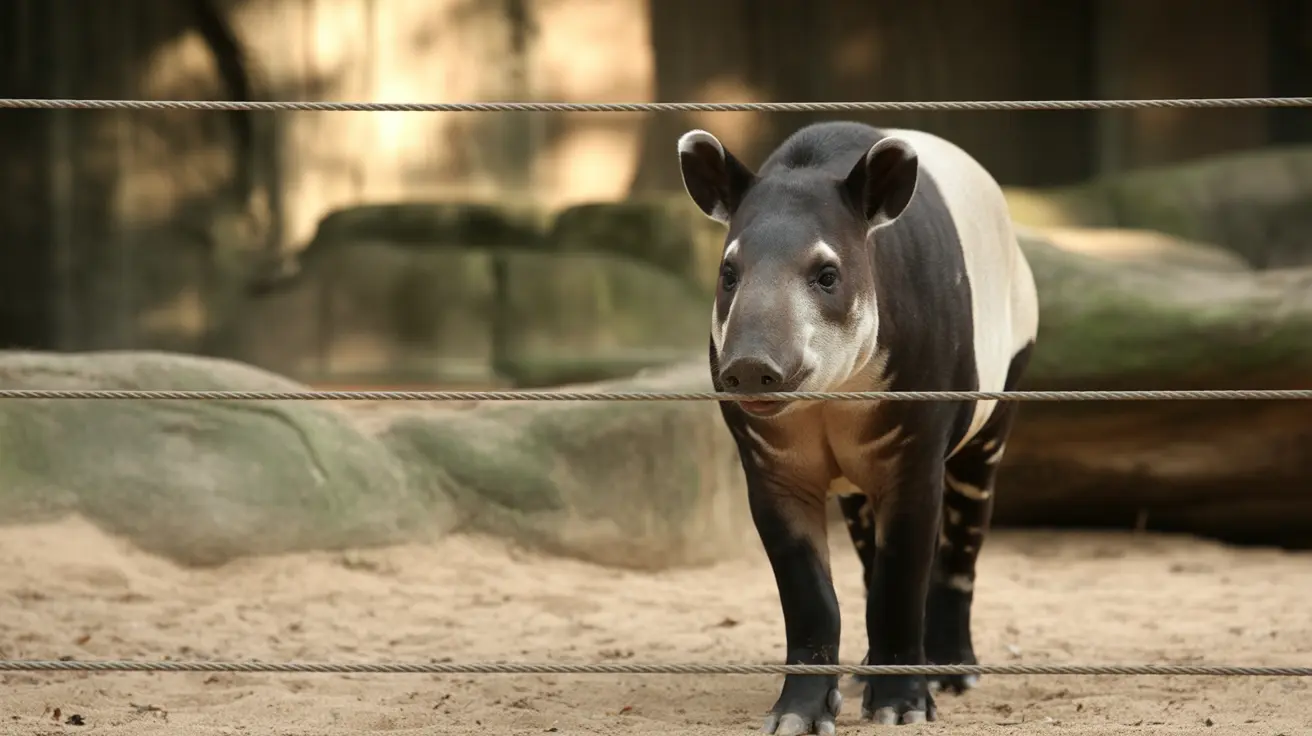
The Denver Zoo is currently conducting an investigation into the deaths of Malayan tapirs in their care, raising concerns about the conservation of these critically endangered Southeast Asian wildlife species. This tragic incident highlights the challenges facing captive breeding endangered species programs and the ongoing struggle to protect one of the world's most vulnerable animals.
Malayan tapirs, scientifically known as Tapirus indicus, are among the most endangered large mammals on Earth. With fewer than 2,500 individuals remaining in the wild, every loss represents a significant setback for conservation efforts. The Denver Zoo's investigation into these deaths underscores the complexity and risks involved in zoo conservation initiatives designed to protect these remarkable tropical rainforest animals.
Understanding the Malayan Tapir Crisis
The Malayan tapir occupies a precarious position on the IUCN endangered list, facing extinction primarily due to habitat loss and deforestation throughout Southeast Asia. These distinctive black-and-white mammals serve as crucial seed dispersers in their native tropical rainforest ecosystems, making their conservation essential for maintaining biodiversity in regions already under severe environmental pressure.
Palm oil deforestation impact has been particularly devastating for wild tapir populations, with millions of acres of their natural habitat converted to agricultural use. This widespread destruction has led to severe tapir habitat fragmentation, isolating populations and making it increasingly difficult for these animals to find suitable mates and maintain genetic diversity.
The Role of Zoos in Tapir Conservation
Modern zoos play a vital role in protecting endangered species through carefully managed tapir breeding programs. These initiatives aim to maintain genetically diverse populations in captivity while supporting research efforts that benefit wild populations. However, the recent deaths at Denver Zoo remind us that even the most well-intentioned conservation efforts face significant challenges.
Zoo conservation initiatives typically involve collaboration between multiple institutions worldwide, sharing genetic material and expertise to ensure the long-term survival of species like the Malayan tapir. These programs often serve as insurance policies against extinction, maintaining populations that could potentially be reintroduced to restored habitats in the future.
Threats Facing Wild Populations
The tapir population decline in Southeast Asia stems from multiple interconnected factors beyond habitat destruction. Hunting pressure, road strikes, and climate change all contribute to the species' precarious situation. Wildlife protection Southeast Asia efforts often struggle with limited resources and competing economic interests that prioritize short-term profits over long-term environmental sustainability.
Industrial development and agricultural expansion continue to fragment remaining forest corridors, making it increasingly difficult for tapirs to access the diverse plant species they require for proper nutrition. This ecological disruption affects not only individual animals but entire forest ecosystems that depend on tapirs for seed dispersal and vegetation management.
Conservation Challenges and Solutions
Protecting Malayan tapirs requires comprehensive strategies addressing both immediate threats and long-term habitat preservation. Successful conservation programs typically combine protected area management, community engagement, and international cooperation to address the complex factors driving species decline.
Education plays a crucial role in conservation success, helping local communities understand the ecological importance of tapirs while providing economic alternatives to activities that harm wildlife. Many conservation organizations work directly with palm oil producers and other industries to promote sustainable practices that minimize environmental impact.
Frequently Asked Questions
What are Malayan tapirs and why are they endangered?
Malayan tapirs are large, herbivorous mammals native to Southeast Asian rainforests, characterized by their distinctive black bodies and white saddle markings. They are endangered primarily due to habitat loss from deforestation, palm oil plantations, and human development, with fewer than 2,500 individuals remaining in the wild.
How do Malayan tapirs contribute to their forest ecosystems?
Malayan tapirs serve as essential seed dispersers in tropical rainforests, helping maintain plant diversity by carrying seeds throughout their territory in their droppings. They also create trails through dense vegetation that other animals use, and their feeding habits help shape forest understory structure.
What are the main threats to wild Malayan tapir populations?
The primary threats include habitat destruction from palm oil plantations and logging, habitat fragmentation that isolates populations, hunting pressure, vehicle strikes on roads crossing their territory, and climate change affecting their forest ecosystems.
How do zoos participate in Malayan tapir conservation?
Zoos participate through managed breeding programs that maintain genetic diversity, research initiatives that benefit wild populations, education programs that raise public awareness, and financial support for field conservation projects in Southeast Asia.
Looking Forward
The investigation at Denver Zoo serves as a sobering reminder of the challenges facing Malayan tapir conservation efforts worldwide. While tragic, such incidents provide valuable learning opportunities that can improve care protocols and conservation strategies for future generations of these remarkable animals.
Every effort to protect and understand Malayan tapirs contributes to the broader goal of preserving Southeast Asian biodiversity for future generations. Through continued collaboration between zoos, conservation organizations, and local communities, there remains hope for stabilizing and eventually recovering wild tapir populations throughout their native range.




