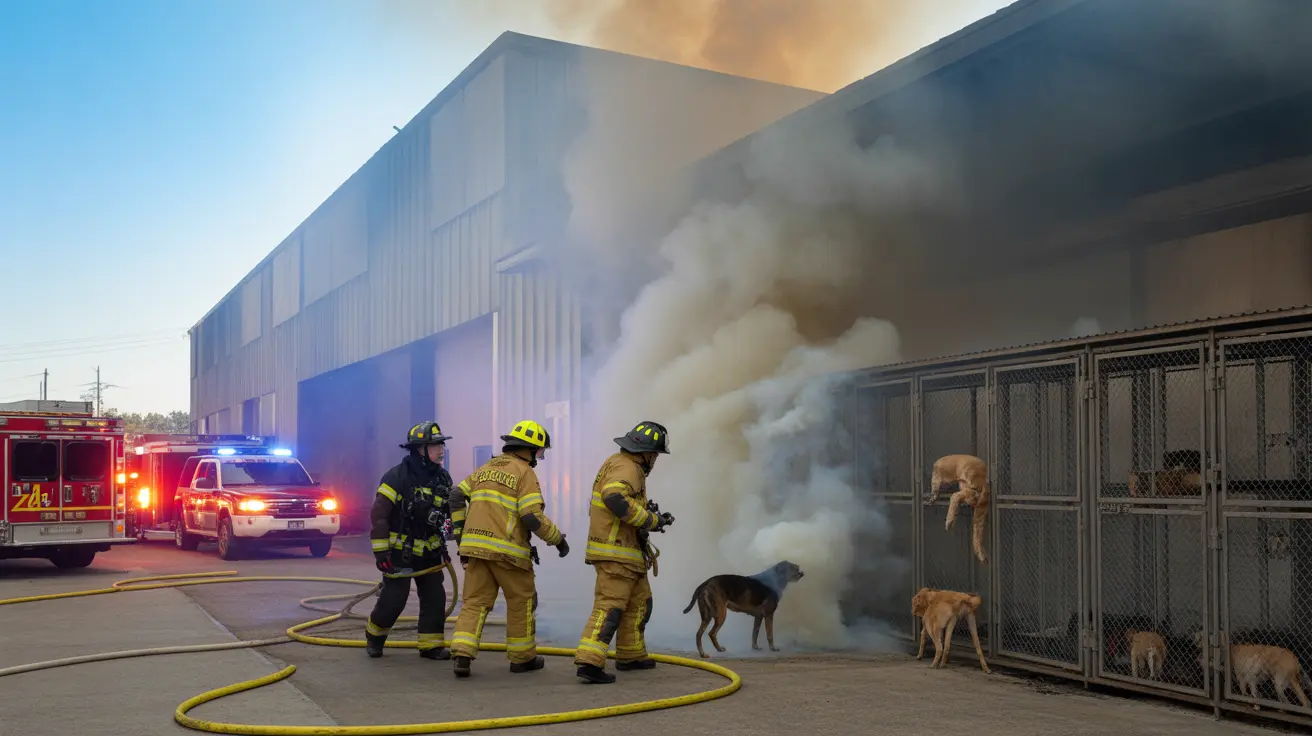
Firefighting crews are currently responding to an active fire at One Step Closer Animal Rescue (OSCAR) in Andover, New Jersey. The emergency situation has prompted immediate response from local fire departments as they work to control the blaze at the Sussex County animal shelter facility.
The fire at OSCAR animal rescue has raised immediate concerns about the safety of the animals housed at the facility, as well as highlighting the critical importance of fire safety measures at animal shelters and in homes with pets. While rescue operations are ongoing, this incident serves as a stark reminder for pet owners about the need for comprehensive fire safety planning.
Understanding Fire Risks at Animal Shelters
Animal shelters face unique fire safety challenges due to the concentration of animals in a single facility. The Andover NJ shelter fire at OSCAR demonstrates how quickly emergency situations can develop, requiring immediate response protocols to ensure both animal and human safety.
Shelters like One Step Closer Animal Rescue typically house numerous dogs, cats, and other animals in close quarters, making evacuation procedures particularly complex. The stress of emergency situations can cause animals to behave unpredictably, adding layers of difficulty to rescue operations.
Pet Fire Safety Tips for Home Owners
While the situation at OSCAR unfolds, pet owners can learn valuable lessons about protecting their own animals from fire hazards. Many house fires involving pets could be prevented with proper precautions and planning.
Prevent Pets Starting Fires
Pets can inadvertently cause fires in several ways. Dogs and cats may knock over candles, chew electrical cords, or accidentally activate stove knobs. Pet owners should secure loose wires, use flameless candles, and install stove knob covers to minimize these risks.
How to Evacuate Pets in Fire
Creating a pet fire escape plan is essential for every pet-owning household. Keep leashes, carriers, and crates easily accessible near exits. Practice evacuation routes with your pets, and ensure all family members know where pet supplies are stored. Consider having a designated meeting point outside your home where pets can be safely contained.
Fire Safety for Dogs and Cats
Dogs and cats have different needs during fire emergencies. Cats often hide when scared, making them harder to locate during evacuations. Dogs may refuse to leave their owners or become overly excited. Training pets to respond to emergency commands and familiarizing them with carriers can save precious time during actual emergencies.
Smoke detection is crucial, as pets are often more sensitive to smoke than humans. Install smoke detectors throughout your home and check batteries regularly. Consider pet-specific alert systems that can notify you if pets are in distress while you're away.
Animal Shelter Fire Prevention Measures
Professional animal care facilities implement multiple layers of fire protection. These include automatic sprinkler systems, fire-resistant building materials, emergency lighting, and detailed evacuation protocols. Staff training focuses on rapid animal evacuation techniques and coordination with local fire departments.
The incident at OSCAR in Andover underscores the importance of these preventive measures and the ongoing need for adequate funding and support for animal rescue organizations to maintain proper safety equipment.
Community Support for Animal Rescues
Organizations like One Step Closer Animal Rescue depend on community support to maintain their facilities and care for animals. When disasters strike, these shelters often need immediate assistance with temporary housing, supplies, and volunteer support.
Pet owners can support local shelters by volunteering, donating fire safety equipment, or helping with fundraising efforts. Many shelters also benefit from partnerships with local fire departments for safety inspections and emergency planning.
Frequently Asked Questions
What happened in the fire at One Step Closer Animal Rescue (OSCAR) in Andover, New Jersey?
A fire broke out at the OSCAR animal rescue facility in Andover, New Jersey, prompting response from local fire crews. Emergency responders are currently working to battle the blaze at the Sussex County animal shelter.
How can pet owners prevent fires from starting in their home due to pets?
Pet owners should secure electrical cords, use flameless candles, install stove knob covers, and keep pets away from heat sources. Regular inspection of pet areas for chewed wires or other hazards is also important.
What fire safety precautions should animal shelters take to protect dogs and cats?
Animal shelters should install sprinkler systems, maintain clear evacuation routes, train staff in emergency procedures, conduct regular fire drills, and coordinate with local fire departments. Proper storage of flammable materials and regular safety inspections are also crucial.
How do you create an emergency evacuation plan for pets during a house fire?
Develop a plan that includes easily accessible leashes and carriers, practiced evacuation routes, designated meeting points, and emergency contact information for veterinarians. Ensure all family members know their roles in pet evacuation and practice regularly.
Moving Forward: Lessons for Pet Safety
As the situation at OSCAR continues to develop, the pet care community is reminded of the critical importance of fire preparedness. Whether in shelters or homes, protecting our animal companions requires proactive planning, proper equipment, and community support.
Pet owners are encouraged to review their own fire safety plans and consider how they can better protect their furry family members while also supporting local animal rescue organizations in their vital work.