
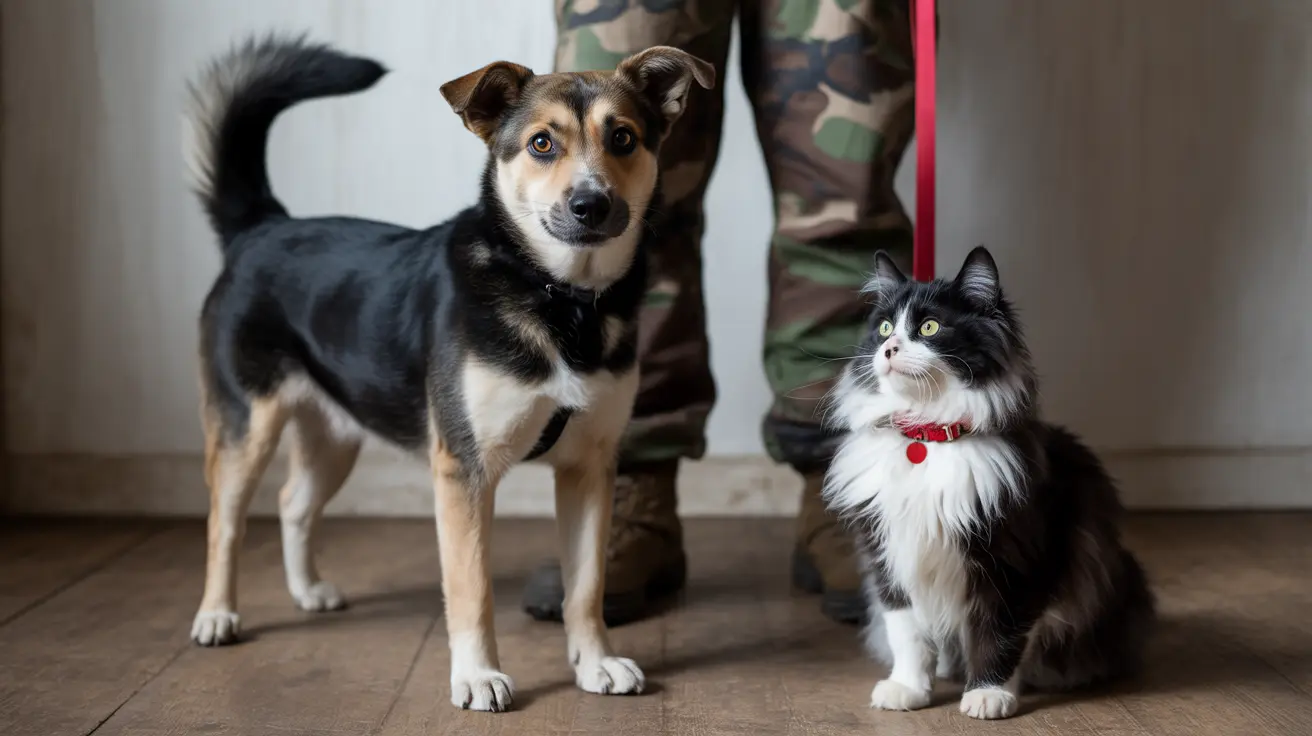
Amid the ongoing conflict in Ukraine, an unexpected source of strength has emerged: the powerful bond between humans and their animal companions. As the war continues to test the resilience of Ukrainian people, pets and veterinarians have become integral to the nation's resistance efforts, providing crucial psychological support and maintaining morale during these challenging times.
The role of animals in wartime extends far beyond companionship. From military working dogs assisting in defense operations to beloved pets offering emotional comfort to displaced families, animals have proven to be an essential element in Ukraine's ability to endure and resist. Understanding this dynamic relationship highlights the importance of protecting both human and animal welfare during times of crisis.
The Psychological Impact of Companion Animals During Conflict
Research consistently shows that pets provide significant mental health benefits during stressful situations, and this holds especially true during wartime. Ukrainian families who have been able to keep their pets report lower levels of anxiety and depression, as caring for animals provides a sense of normalcy and purpose amid chaos.
The presence of familiar animals helps maintain routine and emotional stability for children and adults alike. This psychological support becomes particularly valuable for civilians sheltering in basements or evacuating to safer areas, where pets serve as emotional anchors during traumatic experiences.
Military Working Dogs and Defense Operations
Military working dogs have taken on expanded roles in Ukraine's defense strategy. These highly trained canines assist with various critical missions, including detecting explosives, conducting search and rescue operations, and providing security at checkpoints and military installations.
The specialized training of military working dogs makes them invaluable assets in conflict zones. Their acute senses and loyalty make them irreplaceable partners for soldiers, while also boosting morale among military personnel who form strong bonds with their canine counterparts.
Veterinary Support as Essential Infrastructure
Veterinarians and veterinary organizations have emerged as crucial components of Ukraine's resistance infrastructure. These professionals work tirelessly to maintain the health of both working animals and companion pets, understanding that animal welfare directly impacts human resilience.
The veterinary community's efforts extend beyond medical care to include emergency evacuation support for animals, coordination of international aid shipments, and establishment of temporary shelters for displaced pets. This comprehensive approach ensures that the human-animal bond remains intact even during the most challenging circumstances.
International Aid and Animal Rescue Efforts
International organizations have recognized the strategic importance of supporting Ukrainian animals and have mobilized resources accordingly. Veterinary aid packages, emergency medical supplies, and funding for animal rescue operations flow into the country from global partners who understand the connection between animal welfare and human resilience.
These international efforts include establishing mobile veterinary clinics, providing specialized medical equipment, and supporting the evacuation of animals from high-risk areas. The collaborative nature of these programs demonstrates the worldwide recognition of animals' role in maintaining civilian morale.
Building Resilience Through Animal Care
The act of caring for animals during wartime creates a positive feedback loop that strengthens human resilience. Pet owners report that maintaining responsibility for their animals' welfare gives them purpose and motivation to continue despite adversity. This responsibility often translates into increased personal resilience and community engagement.
Animal care also provides opportunities for social connection and mutual support among pet owners, creating informal networks that enhance community resilience. These connections prove invaluable for sharing resources, information, and emotional support.
Frequently Asked Questions
- How do pets help Ukrainians cope with stress during the war?
Pets provide emotional stability and comfort during traumatic situations. They offer routine, companionship, and a sense of normalcy that helps reduce anxiety and depression. The responsibility of caring for pets also gives people purpose and motivation to persevere through difficult times.
- What role do military working dogs play in Ukraine's defense against Russia?
Military working dogs assist with explosive detection, search and rescue missions, and security operations at military installations and checkpoints. Their specialized training and acute senses make them valuable assets in defense operations while also providing morale support to soldiers.
- How are international organizations providing veterinary aid to animals in Ukraine?
International groups supply veterinary medical packages, emergency equipment, and funding for animal rescue operations. They establish mobile clinics, support evacuation efforts, and coordinate aid shipments to ensure Ukrainian animals receive necessary care during the conflict.
Conclusion
The remarkable role of pets in Ukraine's resistance demonstrates the profound connection between animal welfare and human resilience during times of crisis. From military working dogs serving on the front lines to beloved companions providing emotional support in shelters, animals have proven themselves essential allies in the face of adversity.
As this conflict continues, the international community's recognition and support of Ukrainian animals and veterinarians remains crucial. The lesson is clear: protecting our animal companions is not just an act of compassion—it's a strategic investment in human resilience and resistance.




