
Introduction
While Valentine's Day inspires humans to express love through flowers and chocolates, the animal kingdom showcases some of the most extraordinary courtship displays on Earth. From intricate dances to elaborate architectural feats, animal courtship behaviors demonstrate that romance in nature far exceeds our wildest imagination.
These remarkable mating rituals have evolved over millions of years, with each species developing unique strategies to attract mates and ensure successful reproduction. Understanding these behaviors not only fascinates wildlife enthusiasts but also provides pet owners with insights into the natural instincts that may still influence their domestic companions.
Peacock Spider Dance: Nature's Most Elaborate Performance
Among the most captivating displays in the animal kingdom is the peacock spider dance. These tiny Australian arachnids, measuring just a few millimeters, perform intricate choreographed movements that would make professional dancers envious. Males wave their colorfully patterned abdomens while vibrating their bodies and extending their legs in precise sequences.
The peacock spider's courtship involves multiple sensory elements, combining visual displays with vibratory signals transmitted through the ground. This multi-modal approach ensures females receive the message clearly, as spider vibratory signals can travel through various surfaces to reach potential mates.
Prairie Dog Kissing and Social Bonding
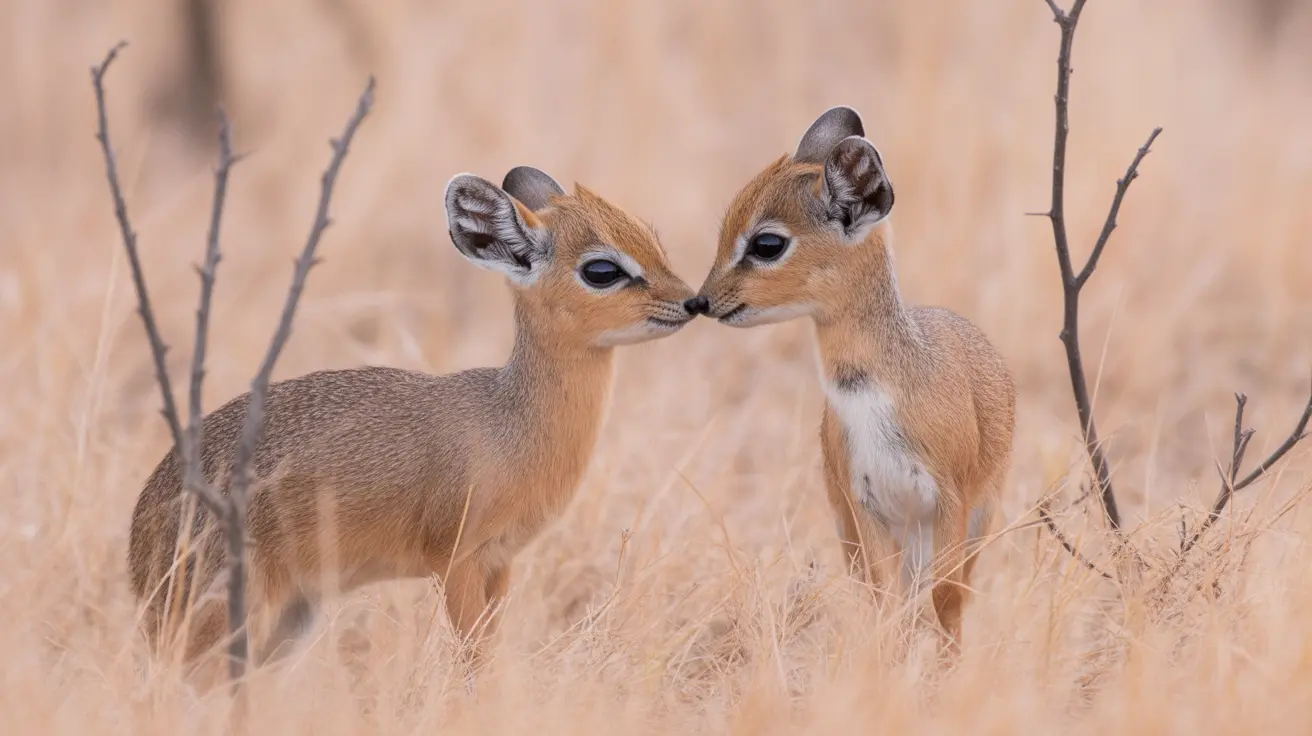
Prairie dogs demonstrate affection through what appears remarkably similar to human kissing behavior. These social rodents press their mouths together in greeting rituals that strengthen pair bonds and establish social hierarchies within their colonies.
Prairie dog kissing serves multiple purposes beyond courtship, including scent exchange and stress reduction. Pet owners might recognize similar bonding behaviors in their own animals, particularly in social species like rabbits or guinea pigs that engage in mutual grooming.
Bird Courtship Displays: From Bowers to Blue Feet
Bird courtship displays represent some of nature's most spectacular performances. Bowerbird courtship displays involve males constructing elaborate structures decorated with colorful objects to attract females. These architectural marvels can include flowers, berries, shells, and even human-made items like bottle caps or plastic toys.
The blue-footed booby dance showcases another remarkable avian courtship strategy. Males perform synchronized steps while highlighting their vibrant blue feet, which signal good health and genetic fitness to potential mates. The intensity of the blue coloration often indicates the male's nutritional status and breeding readiness.
Cockatoo Mating Rituals and Vocal Communication
Cockatoo mating rituals combine dramatic visual displays with complex vocalizations. Males raise their crests, bow repeatedly, and produce intricate calls to demonstrate their fitness and availability. Pet cockatoo owners often observe modified versions of these behaviors, as domesticated birds retain many natural courtship instincts.
Tree Frog Courtship Calls and Multi-Modal Signaling
Tree frog courtship calls exemplify the power of acoustic communication in animal reproduction. Males produce species-specific calls that can travel significant distances through forest environments, allowing females to locate suitable mates even in dense vegetation.
Many tree frog species employ multi-modal animal signals, combining vocal calls with visual displays such as throat inflation or body positioning. This redundancy ensures successful communication despite environmental noise and obstacles.
Insect Copulatory Courtship and Chemical Communication
Insect copulatory courtship often involves sophisticated chemical signaling through pheromones. These invisible messages convey information about species identity, reproductive status, and genetic quality. Many insects also incorporate physical displays, creating comprehensive courtship packages that maximize mating success.
Penguin Pair Bonding and Lifelong Partnerships
Penguin pair bonding demonstrates remarkable dedication in the animal world. Many penguin species form monogamous relationships that last entire breeding seasons or even lifetimes. Males often present females with carefully selected pebbles as courtship gifts, establishing territories for their future offspring.
Learning from Nature's Romance
These extraordinary animal courtship behaviors remind us that romance exists throughout the natural world in countless forms. For pet owners, understanding these instincts can provide valuable insights into their animals' behaviors and needs, particularly during breeding seasons or when introducing new companions.
Whether you're observing your pet bird's courtship displays or simply marveling at nature documentaries, these remarkable behaviors showcase the incredible diversity and complexity of animal relationships that continue to inspire scientists and animal lovers worldwide.
Frequently Asked Questions
-
What are some weird animal courtship dances like those of peacock spiders and blue-footed boobies?
Peacock spiders perform intricate dances involving colorful abdominal displays and precise leg movements, while blue-footed boobies showcase synchronized stepping routines that highlight their vibrant blue feet as indicators of health and genetic fitness.
-
How do prairie dogs use kissing behaviors in their mating rituals?
Prairie dogs engage in mouth-to-mouth contact that serves multiple social functions including scent exchange, stress reduction, and strengthening pair bonds within their colonies during courtship and general social interactions.
-
Why do birds like cockatoos and bowerbirds perform elaborate displays to attract mates?
These elaborate displays demonstrate male fitness, genetic quality, and resource availability to potential female partners. Bowerbirds construct decorated structures while cockatoos combine vocal and visual elements to showcase their suitability as mates.
-
What role do pheromones and vibrations play in spider and insect courtship?
Pheromones provide species-specific chemical signals that convey reproductive status and genetic information, while vibrations transmitted through surfaces help spiders communicate across distances and ensure accurate species recognition during courtship.
-
How does multi-modal signaling, like calls and visuals in tree frogs, help animals find mates?
Multi-modal signaling increases communication reliability by providing multiple channels for information transmission, ensuring messages reach potential mates despite environmental obstacles, noise, or distance challenges in natural habitats.




