
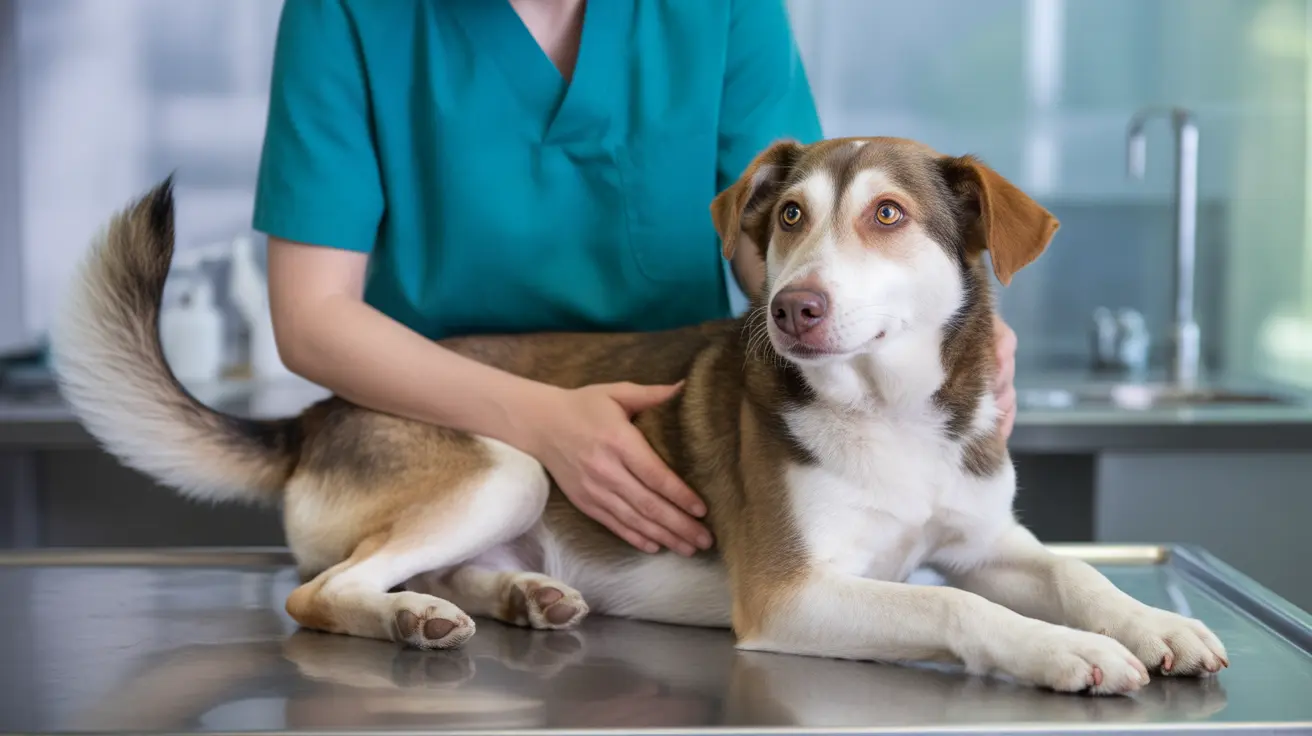
Animal shelter funding has become a critical issue across America, and Heartland Pet Connection in Hastings is the latest example of this nationwide crisis. The shelter has formally requested $80,000 from city officials to sustain operations through September 2028, highlighting the financial pressures facing animal welfare organizations nationwide.
This funding request underscores a broader trend affecting shelters across the country, where rising operational costs, increased pet surrenders, and limited private donations are creating perfect storms that threaten essential animal welfare services. For pet owners and animal advocates, understanding these challenges is crucial as communities work together to support their local shelters.
Understanding the Animal Shelter Crisis
The request from Heartland Pet Connection reflects a nationwide pattern where animal shelters are struggling to maintain basic operations. Rising veterinary care expenses, increased utility costs, and staffing challenges have created unprecedented financial pressure on these essential community services.
Pet surrender statistics show concerning trends, with many shelters reporting increased intake following economic uncertainties and housing challenges that force families to relinquish beloved animals. This increased demand for services comes at a time when operational costs continue to climb significantly.
No-Kill Shelter Operations and Financial Sustainability
Maintaining no-kill shelter operations requires substantial resources and strategic planning. These facilities must balance providing quality care for animals while managing limited budgets, often relying on a combination of municipal support, private donations, and fundraising efforts.
The $80,000 request from Heartland Pet Connection represents the type of municipal animal shelter grants that many communities are being asked to consider. These funds typically support essential services including veterinary care, staffing, facility maintenance, and daily animal care needs.
How Communities Can Address Pet Shelter Crisis 2026
The situation in Hastings reflects broader challenges that require community-wide solutions. Successful shelter support often involves multiple approaches, including increased adoption efforts, volunteer programs, and sustainable funding models that combine public and private resources.
Animal shelter budget allocation decisions require careful consideration of community needs and available resources. Municipal leaders must weigh the costs of supporting animal welfare services against other community priorities, while recognizing the essential role shelters play in public health and safety.
Supporting Your Local Animal Shelter
Pet owners and community members can help address animal shelter staffing challenges and funding gaps through various means. Regular volunteer support, monetary donations, and promoting adoption over purchasing from breeders all contribute to shelter sustainability.
For those wondering how to support animal shelters, consistent community involvement often proves more valuable than one-time contributions. This includes participating in fundraising events, spreading awareness about adoptable animals, and advocating for responsible pet ownership practices.
The Path Forward for Animal Welfare Funding Programs
The Hastings situation demonstrates the need for diverse animal welfare funding programs that can provide stability for shelters facing uncertain budgets. Successful shelters often develop multiple revenue streams, reducing dependence on any single funding source.
As communities evaluate requests like Heartland Pet Connection's $80,000 funding needs, they're essentially investing in comprehensive animal welfare services that benefit entire communities through reduced stray populations, improved public health outcomes, and enhanced quality of life for both pets and residents.
Frequently Asked Questions
Why are animal shelters struggling financially and asking for government funding?
Animal shelters are facing rising operational costs, increased pet surrenders, and limited private donations that typically cover only 40-60% of expenses, forcing many to seek municipal support to avoid service cuts or closure.
What happens to animals in shelters if funding is cut or denied?
Without adequate funding, shelters may reduce staff hours, cut veterinary services, close intake temporarily, or increase euthanasia rates—risks that disproportionately affect small, rural shelters with limited donor bases.
How do no-kill shelters stay sustainable without euthanizing animals?
No-kill shelters achieve high live-release rates through hybrid funding models combining municipal grants, private donations, adoption fees, and partnerships with transport networks that move animals to areas with higher adoption demand.
Moving Forward Together
The funding request from Heartland Pet Connection represents more than a budget line item—it's an investment in community values and animal welfare. As pet owners and community members, supporting sustainable solutions for animal shelter funding helps ensure these vital services remain available for years to come.
Whether through municipal support, private donations, or volunteer efforts, every contribution helps address the ongoing challenges facing animal shelters nationwide. The decisions made in communities like Hastings today will determine the future of animal welfare services for generations of pets and families.




