
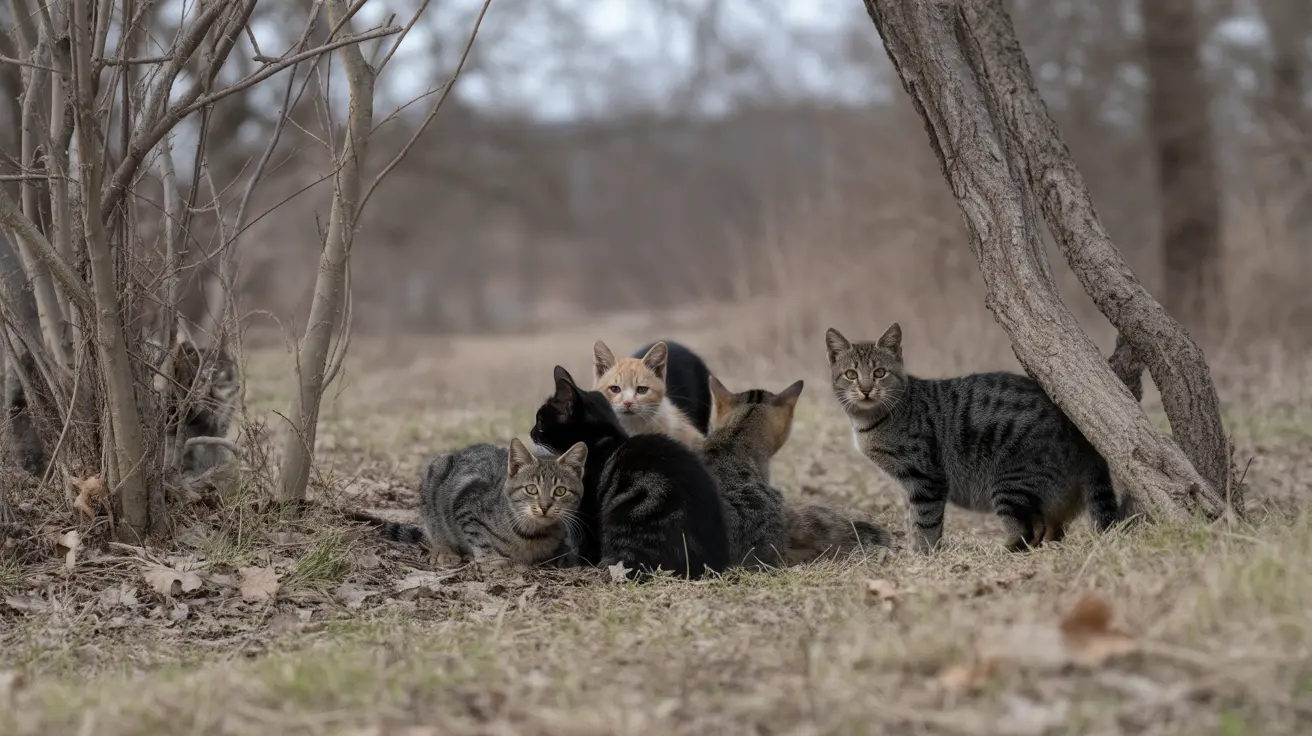
Animal control groups across Long Island are raising alarms about the escalating feral cat population following a particularly harsh winter season. With estimates suggesting over 100,000 feral cats roaming Nassau and Suffolk counties, wildlife experts and public health officials are emphasizing the urgent need for comprehensive population management strategies.
The combination of challenging winter conditions and limited resources has created a perfect storm for feral cat population growth, putting additional strain on local ecosystems and raising concerns about public safety risks. As communities grapple with this growing challenge, the effectiveness of current intervention programs is under increased scrutiny.
Understanding the Scope of Long Island's Feral Cat Crisis
The feral cat population on Long Island has reached staggering numbers, with conservative estimates placing the count at over 100,000 cats across both Nassau and Suffolk counties. These free-roaming cats face numerous survival challenges, particularly during harsh winter months when food sources become scarce and shelter options are limited.
Feral cats differ from stray cats in that they typically have little to no socialization with humans and live in colonies. These colonies can rapidly expand when left unmanaged, as cats can reproduce multiple times per year with litters ranging from one to nine kittens.
The Role of TNR Programs in Population Control
Trap-Neuter-Return (TNR) programs represent the most widely accepted humane approach to managing feral cat colonies. These initiatives involve systematically trapping cats, providing spay/neuter services, and returning them to their territories to live out their natural lives without contributing to population growth.
However, the effectiveness of TNR programs depends heavily on consistent implementation and adequate funding. Organizations like the Feral Cat Initiative on Long Island work tirelessly to coordinate these efforts, but the scale of the problem often exceeds available resources.
Challenges Facing TNR Effectiveness
Several factors can impact the success of TNR programs, including:
- Limited volunteer availability during peak trapping seasons
- Funding constraints for spay/neuter procedures
- Difficulty accessing cats in remote or private property locations
- Weather-related challenges that affect trapping schedules
Health Risks and Public Safety Concerns
Feral cat populations pose several health risks to both humans and wildlife. One significant concern is toxoplasmosis, a parasitic infection that can be transmitted through cat feces and poses particular risks to pregnant women and immunocompromised individuals.
Additionally, unvaccinated feral cats can carry diseases such as rabies, although transmission to humans remains relatively rare. The larger concern often involves the impact on local wildlife populations, as cats are natural predators that can significantly affect bird and small mammal populations.
The Complex Issue of Feeding Feral Cats in Suburban Areas
Well-meaning residents often feed feral cats in suburban neighborhoods, creating a complex dynamic in population management efforts. While feeding provides immediate relief for hungry cats, it can inadvertently contribute to population growth by improving survival rates and attracting additional cats to the area.
Effective feral cat management requires balancing compassionate care with strategic population control measures. Many experts recommend that feeding should be coupled with active TNR participation to ensure long-term benefits for both cats and communities.
Supporting Wildlife Impact Mitigation
Feral cats have a documented impact on local wildlife populations, particularly ground-nesting birds and small mammals. Responsible management programs often incorporate measures to minimize this impact while addressing the welfare of existing feral cat populations.
Some communities have explored creating designated areas for managed colonies, reducing the cats' interaction with sensitive wildlife habitats while ensuring their basic needs are met.
Frequently Asked Questions
How can I participate in Trap-Neuter-Return (TNR) programs for feral cats on Long Island?
Contact local animal welfare organizations or the Feral Cat Initiative Long Island to volunteer for trapping efforts, donate toward spay/neuter procedures, or help with transportation. Many programs provide training for new volunteers and welcome various levels of involvement.
What are the health risks of feral cats to humans and wildlife in Nassau and Suffolk counties?
Primary health concerns include potential transmission of toxoplasmosis through contaminated soil or surfaces, and rare instances of rabies transmission. For wildlife, feral cats pose predation risks to birds, small mammals, and reptiles, potentially affecting local ecosystem balance.
Why is the feral cat population growing so fast on Long Island after harsh winters?
Contrary to expectations, feral cat populations often rebound quickly after challenging conditions due to reduced competition for resources among survivors and the cats' natural reproductive efficiency. Without intervention through TNR programs, even small surviving populations can rapidly expand.
Moving Forward with Comprehensive Solutions
Addressing Long Island's feral cat population requires sustained community effort, adequate funding for TNR programs, and collaboration between residents, animal welfare organizations, and local authorities. The challenge is significant, but with coordinated action and continued public awareness, meaningful progress toward population stabilization remains achievable.
As communities continue to grapple with this complex issue, supporting established programs and staying informed about humane population management strategies can make a meaningful difference for both feral cats and the broader ecosystem they inhabit.




