
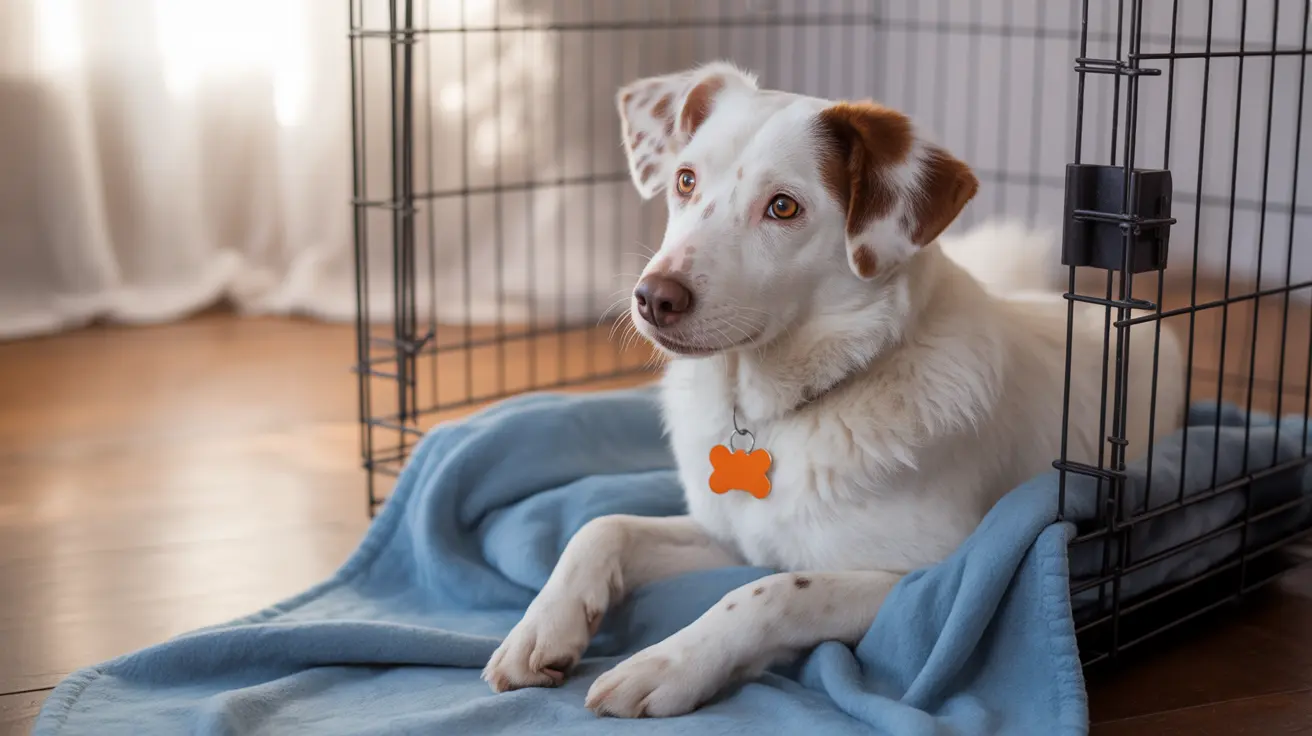
Skiatook Paws and Claws, a dedicated animal welfare organization in Oklahoma, is taking urgent action to address a growing crisis in their facilities. The no-kill shelter Skiatook has organized a special pop-up fostering event in response to the overwhelming number of animals currently in their boarding facilities. This initiative reflects a critical need for additional space that will allow the organization to continue their mission of rescuing and caring for vulnerable animals in the community.
The situation at Skiatook Paws and Claws highlights a broader challenge facing animal shelters across Oklahoma and nationwide. When facilities reach capacity, they face difficult decisions about intake policies and the quality of care they can provide. By launching this foster dogs Skiatook initiative, the organization demonstrates their commitment to finding innovative solutions that prioritize animal welfare while engaging the community in meaningful ways.
Understanding Shelter Overcrowding Oklahoma
Animal shelter fostering events like this one have become increasingly necessary as shelters struggle with space limitations. Oklahoma animal shelters, including Skiatook Paws and Claws, often operate with limited resources while trying to serve growing numbers of animals in need. The overcrowding situation affects not only the animals' immediate comfort but also their long-term prospects for finding permanent homes.
Foster cats Oklahoma programs and similar dog fostering initiatives provide temporary relief by moving animals from shelter environments into loving home settings. This arrangement benefits both the animals, who receive individualized attention and socialization, and the shelter, which gains valuable space for new arrivals.
Benefits of Pet Fostering for Animals and Community
Participating in foster puppies Skiatook programs or fostering adult animals offers numerous advantages. Animals in foster care typically experience reduced stress compared to shelter environments, leading to better behavioral outcomes and improved adoptability. Foster families provide crucial socialization opportunities that help animals develop confidence and trust with humans.
For the community, fostering creates a network of temporary caregivers who can respond quickly to emergency situations. When shelters like Skiatook Paws and Claws face capacity issues, having established foster relationships allows for rapid placement of animals in safe environments.
How to Foster Shelter Animals: Getting Started
Those interested in pet fostering near me opportunities should understand that most shelters provide comprehensive support for foster families. Typically, organizations like Skiatook animal rescue groups offer fostering supplies free to approved foster volunteers, including food, bedding, toys, and necessary medical care.
The fostering process usually begins with an application and screening process to ensure good matches between animals and foster families. Many shelters provide training and ongoing support to help foster families succeed in their temporary caregiving roles.
Post-COVID Pet Surrenders Impact on Shelters
The current overcrowding situation at facilities like Skiatook Paws and Claws may be partially attributed to post-COVID pet surrenders affecting shelters nationwide. As life circumstances change, some pet owners find themselves unable to continue caring for animals they adopted during the pandemic, leading to increased shelter intakes.
This trend makes community-based solutions like pop-up fostering events even more critical for maintaining shelter operations and ensuring all animals receive appropriate care while awaiting permanent placement.
Community Response and Long-Term Solutions
The success of this animal shelter fostering event will depend on community participation and awareness. Local residents who cannot commit to permanent pet adoption may find fostering an ideal way to help animals in need while supporting their local no-kill shelter Skiatook facility.
For Skiatook Paws and Claws to continue accepting animals in need, they require ongoing community support through fostering, volunteering, and donations. The pop-up event serves as both an immediate solution to current overcrowding and a way to build lasting relationships with potential long-term foster families.
Frequently Asked Questions
How do I sign up to foster animals at Skiatook Paws and Claws pop-up event?
Contact Skiatook Paws and Claws directly through their official channels to inquire about the pop-up fostering event. Most shelters require completion of an application process and may conduct home visits or interviews before approving foster placements.
What are the requirements to become a foster for dogs or cats in Skiatook, Oklahoma?
Foster requirements typically include stable housing, ability to provide basic care, and commitment to following shelter guidelines. Most organizations require foster families to be at least 18 years old and may have specific requirements regarding other pets in the household.
Why are animal shelters like Skiatook Paws and Claws overcrowded right now?
Shelter overcrowding results from various factors including increased pet surrenders, limited adoption rates, and space constraints. Many shelters are experiencing higher intake numbers while working with the same physical capacity, making foster programs essential for managing animal populations.
What benefits do animals get from fostering instead of staying in a shelter?
Foster care provides animals with individualized attention, reduced stress, better socialization opportunities, and a home environment that often improves their behavior and adoptability. Foster settings typically allow for more personalized care and assessment of each animal's needs.
Does Skiatook Paws and Claws provide supplies and support for animal fosters?
Most reputable shelters, including rescue organizations like Skiatook Paws and Claws, typically provide foster families with necessary supplies such as food, bedding, and medical care. They also offer ongoing support and guidance throughout the fostering experience.




