
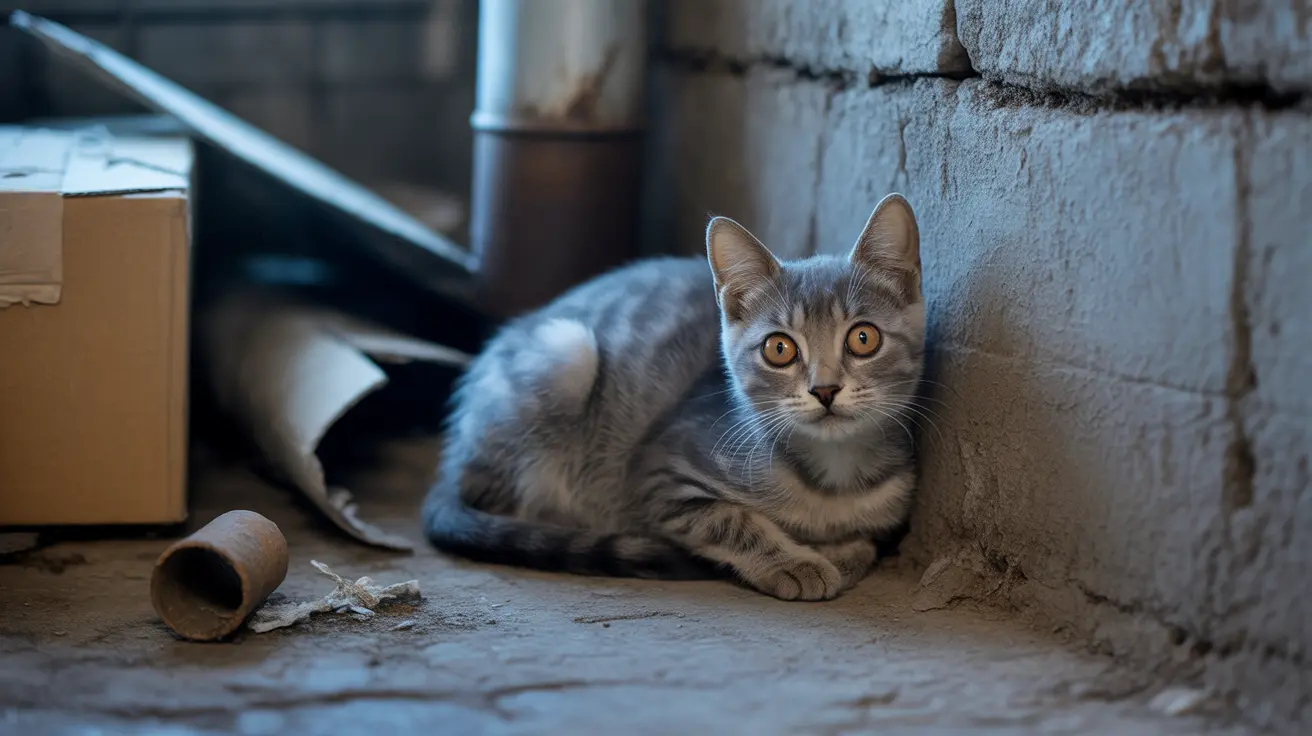
A shocking Winnipeg animal cruelty case has concluded with Court of King's Bench Justice Jeffrey Harris sentencing Irene Lima and Chad Kabecz to 12 years in prison for their role in torturing and killing animals to produce videos sold online. The case, which involved the creation and distribution of animal crush videos through dark web networks, represents one of the most severe animal abuse prosecutions in Canadian history.
The sentencing sends a powerful message about the serious legal consequences of animal torture and highlights the growing efforts by law enforcement to combat dark web animal abuse networks. For pet owners and animal advocates, this case underscores the importance of reporting suspected cruelty and understanding the legal protections in place for animals in Canada.
Understanding Animal Crush Videos and Dark Web Networks
Animal crush videos represent one of the most disturbing forms of animal abuse, involving the deliberate torture and killing of small animals, often cats, for the sexual gratification of viewers. These videos are typically distributed through dark web networks, making detection and prosecution challenging for authorities.
The Winnipeg couple operated under various online identities, including "Goddess May Barefoot Crush," to market their content to consumers of this illegal material. Their activities were part of a broader dark web pet torture network that spans international boundaries and requires sophisticated investigative techniques to uncover.
Project Artemis and Law Enforcement Response
The investigation, known as Project Artemis Winnipeg, demonstrates the commitment of Canadian law enforcement to pursuing animal cruelty cases even when they involve complex digital evidence and international networks. The successful prosecution required extensive collaboration between local police, federal agencies, and international partners to trace the digital footprint of the accused.
This case highlights how modern technology is being used both to commit and solve animal cruelty crimes. While perpetrators may believe the dark web provides anonymity, sophisticated investigative techniques can still bring them to justice.
Canadian Animal Cruelty Laws and Sentencing
The 12-year sentences reflect the severity with which Canadian courts treat cases of deliberate animal torture, particularly when combined with the commercial exploitation of such abuse. Canadian animal cruelty laws have evolved to recognize that serious animal abuse often correlates with other violent crimes and poses a broader threat to public safety.
In addition to prison time, the defendants received lifetime animal bans, preventing them from owning, caring for, or being in contact with animals for the rest of their lives. This type of sentencing recognizes that individuals who commit extreme acts of animal cruelty pose an ongoing risk to animal welfare.
Reporting Animal Cruelty in Manitoba and Beyond
Pet owners and concerned citizens play a crucial role in identifying and reporting animal abuse. In Manitoba, suspected animal cruelty can be reported to local police, the Manitoba Animal Services, or through anonymous tip lines. Signs of animal abuse include unexplained injuries, animals kept in deplorable conditions, or suspicious online activity involving animal content.
It's important for pet parents to be aware of the warning signs of animal cruelty in their communities and to understand that reporting suspected abuse is both a legal obligation and a moral responsibility. Early intervention can save animals from suffering and prevent escalation to more serious crimes.
Impact on Animal Welfare and Public Safety
Research consistently shows links between animal cruelty and violence against humans, making the prosecution of these cases important for broader public safety. The extreme nature of the crimes committed by Lima and Kabecz represents a level of callousness that extends far beyond animal welfare concerns.
For the pet care community, this case serves as a reminder of the vulnerability of animals and the need for strong legal protections. It also highlights the importance of supporting organizations that work to prevent animal cruelty and assist in prosecuting offenders.
Frequently Asked Questions
What happened in the Winnipeg animal cruelty case involving Irene Lima and Chad Kabecz?
Irene Lima and Chad Kabecz were sentenced to 12 years in prison by Court of King's Bench Justice Jeffrey Harris for creating and selling videos of animals being tortured and killed. The couple produced animal crush videos and distributed them through dark web networks as part of a commercial operation.
How were the crush videos of tortured cats discovered and investigated by police?
The investigation, known as Project Artemis Winnipeg, involved sophisticated digital forensics and collaboration between local police, federal agencies, and international partners to trace the defendants' online activities and gather evidence of their crimes through dark web networks.
What are animal crush videos, and why are they illegal in Canada?
Animal crush videos involve the deliberate torture and killing of small animals, often for the sexual gratification of viewers. They are illegal in Canada under animal cruelty laws because they involve extreme animal abuse and are often connected to other violent crimes and public safety concerns.
How can I report suspected animal cruelty or dark web animal abuse in Manitoba?
Suspected animal cruelty in Manitoba can be reported to local police, Manitoba Animal Services, or through anonymous tip lines. Citizens should report any signs of animal abuse, including unexplained injuries, poor living conditions, or suspicious online activity involving animals.
This landmark case demonstrates that justice can prevail even in the most complex and disturbing animal cruelty cases. By staying vigilant and supporting strong legal protections for animals, we can work together to prevent such horrific abuse and protect the vulnerable animals in our communities.




