
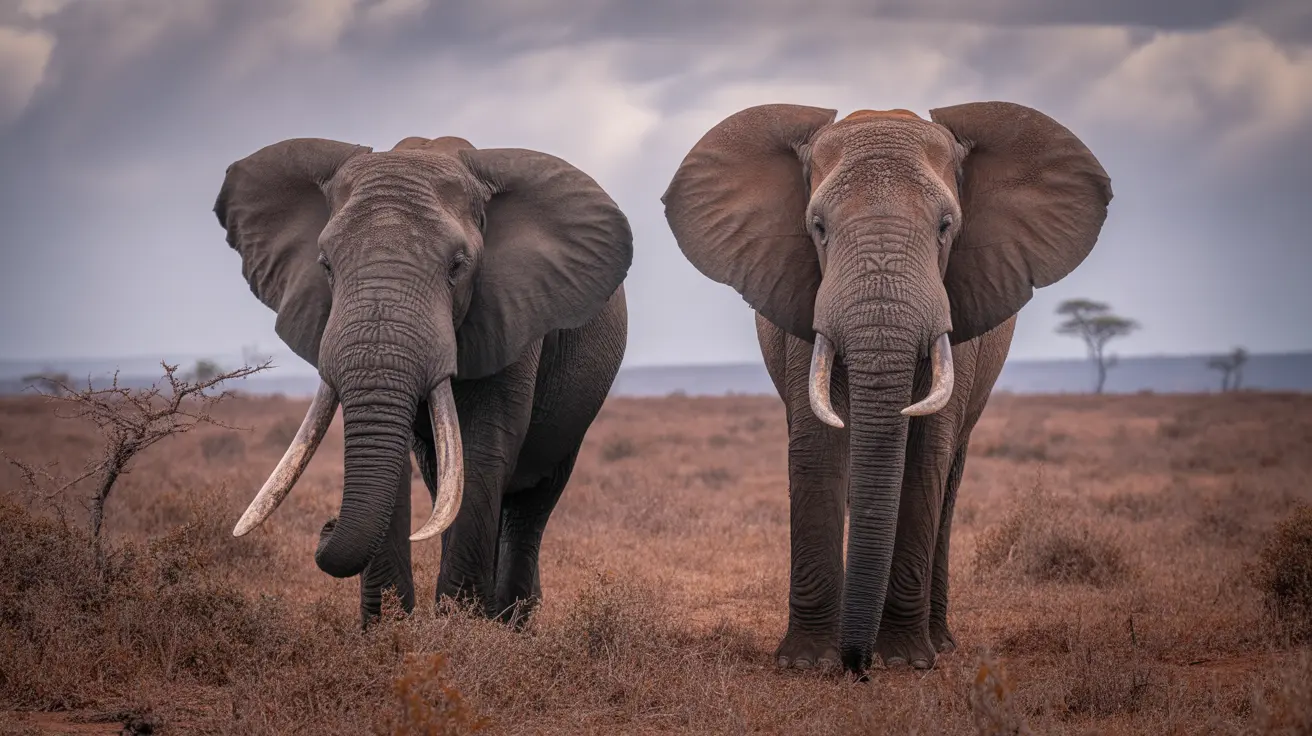
The Fight Against African Elephant Poaching
The fight against African elephant poaching continues to intensify as conservation organizations work tirelessly to protect these magnificent creatures from extinction. Thanks to dedicated supporters worldwide, Animal Survival International has been able to take decisive action in January 2026 to combat some of the most pressing wildlife conservation challenges across Africa.
The African elephant poaching crisis represents one of the most devastating threats facing wildlife today, with these gentle giants falling victim to ivory trade networks that span continents. For pet owners and animal lovers alike, understanding these conservation efforts helps illuminate the broader struggle to protect all animals, whether they live in our homes or roam the African savanna.
The Scale of Wildlife Conservation Challenges
Animal Survival International's January initiatives highlight the complex nature of wildlife protection in Africa. The organization's supporters enabled critical interventions across multiple regions where elephant population decline has reached alarming levels. These efforts demonstrate how coordinated conservation work can address the interconnected threats of poaching, habitat loss, and human-elephant conflict.
The ivory trade crisis continues to fuel demand for elephant tusks, making these animals prime targets for organized criminal networks. Similarly, pangolin trafficking has reached unprecedented levels, with these unique mammals becoming the most trafficked animals globally due to demand for their scales in traditional medicine markets.
Forest Elephants Gabon and Regional Protection Efforts
Forest elephants in Gabon face particular challenges as their dense habitat makes monitoring and protection more difficult than for their savanna counterparts. These smaller elephant populations play crucial ecological roles in maintaining forest ecosystems, dispersing seeds across vast distances and creating pathways that other animals depend upon.
Conservation work in Gabon requires specialized approaches that account for the unique environmental conditions and local community needs. Successful programs often combine anti-poaching patrols with community engagement initiatives that provide alternative livelihoods for local residents.
Addressing Rhino Poaching Zimbabwe and Broader Threats
While elephants face the greatest numerical losses, rhino poaching in Zimbabwe represents another critical conservation challenge. These incidents often occur in the same regions where elephant poaching hotspots are located, suggesting organized criminal networks operating across species lines.
The interconnected nature of illegal wildlife trade means that protecting one species often benefits others. Rangers and conservation teams working to prevent elephant poaching frequently encounter and disrupt rhino poaching operations as well.
CITES Elephant Monitoring and International Cooperation
Global coordination remains essential for addressing wildlife conservation challenges effectively. CITES elephant monitoring programs provide crucial data that helps organizations like Animal Survival International allocate resources where they're needed most. This scientific approach ensures that conservation efforts target the most vulnerable populations and high-risk areas.
International cooperation also enables better tracking of pangolin scales seizures and other trafficking activities, helping authorities understand trade routes and criminal networks that span multiple countries.
Drought Wildlife Aid and Emergency Response
Beyond poaching threats, wildlife faces additional challenges from climate-related events. Drought conditions across parts of Africa have created emergency situations where animals struggle to find adequate water and food sources. Conservation organizations must be prepared to provide drought wildlife aid while maintaining their core anti-poaching programs.
These environmental challenges often increase human-elephant conflict as animals venture into agricultural areas searching for resources, creating additional complications for conservation efforts.
How Individual Support Creates Impact
The success of conservation initiatives depends heavily on sustained support from individuals who care about wildlife protection. Donations enable organizations to maintain year-round operations, from funding ranger patrols to supporting community programs that reduce local dependence on poaching activities.
For pet owners, supporting wildlife conservation connects to the same compassion that drives excellent pet care. Understanding threats facing wild animals can also inform better practices for protecting domestic animals and supporting ethical wildlife tourism when traveling with pets.
Frequently Asked Questions
Why are African elephants poached so heavily, and how many are killed each day?
African elephants are targeted primarily for their ivory tusks, which command high prices in illegal markets. The scale of poaching varies by region and season, but conservation organizations estimate that dozens of elephants are killed daily across Africa. The crisis is driven by organized criminal networks that exploit weak law enforcement in some areas.
What makes pangolins the most trafficked animal in the world, and where do their scales go?
Pangolins are heavily trafficked because their scales are valued in traditional medicine practices, despite having no proven medicinal benefits. The scales are primarily smuggled to Asian markets where they're ground into powders or used in various preparations. All eight pangolin species are now threatened with extinction due to this trade.
How is Animal Survival International helping wildlife like elephants and pangolins in Africa?
Animal Survival International works through multiple approaches including funding anti-poaching patrols, supporting ranger training programs, conducting wildlife monitoring, and implementing community-based conservation projects. Their January 2026 activities demonstrate how sustained donor support enables year-round protection efforts across multiple African countries.
The ongoing work by Animal Survival International and similar organizations offers hope for Africa's endangered wildlife. Through continued support from animal lovers worldwide, these conservation efforts can expand their reach and effectiveness, ensuring that future generations will still share our planet with elephants, pangolins, and countless other magnificent species.




