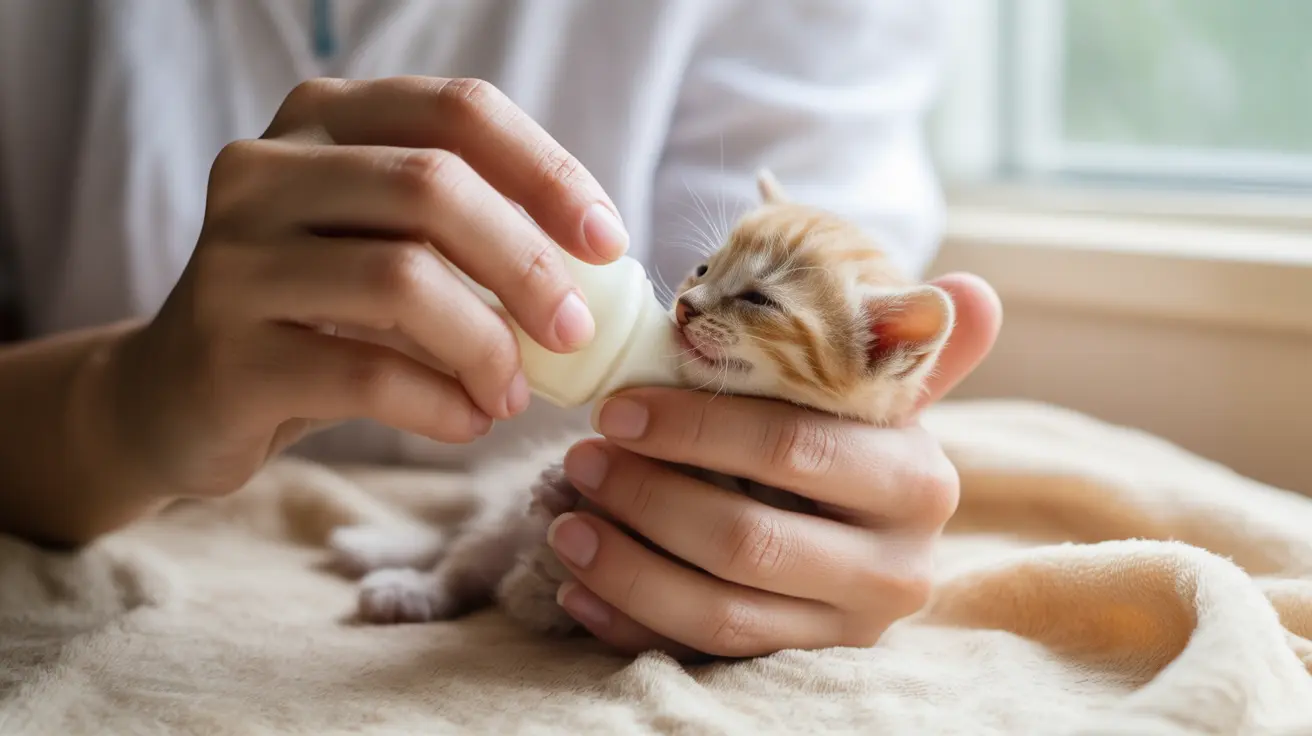
Spring brings warmer weather and an abundance of baby wildlife, but Missouri conservationists are urging residents to resist the urge to "rescue" baby rabbits and birds that appear abandoned. Many well-meaning people discover what seems like orphaned baby animals during this season, but wildlife experts warn that most of these creatures aren't actually in need of help—and human intervention can often do more harm than good.
The Missouri Department of Conservation (MDC) has launched awareness campaigns to educate the public about the dangers of unnecessary wildlife rescues. Understanding when baby animals truly need assistance versus when they're simply following natural behaviors can make the difference between helping and harming local wildlife populations.
Signs Baby Rabbit Needs Help: When to Act and When to Watch
Baby rabbits, also known as kits, are particularly vulnerable to misguided rescue attempts. These small mammals have evolved sophisticated survival strategies that can confuse concerned observers. Mother rabbits typically leave their young alone for extended periods, visiting the nest only once or twice daily to nurse their babies.
A healthy baby rabbit nest appears inactive for most of the day, leading many people to assume the babies have been abandoned. However, this apparent neglect is actually protective behavior—the mother's absence reduces the chance of predators detecting the nest location.
True signs that intervention may be needed include visible injuries, weak or lethargic behavior lasting multiple days, or confirmed evidence that the mother has died. Before taking action, observe the area for at least 24-48 hours to determine if the mother returns during her natural feeding schedule.
Baby Rabbit Nest Check: Safe Observation Techniques
When you discover a potential baby rabbit nest, resist the immediate urge to touch or move the animals. Instead, mark the area with natural materials like small twigs arranged in a pattern around the nest perimeter. Return after 24 hours to see if the markers have been disturbed, indicating maternal activity.
If you must verify whether baby rabbits are healthy, observe from a distance using binoculars if available. Healthy kits appear plump, have closed or barely opened eyes (depending on age), and show minimal movement when undisturbed. Their nest should appear clean and well-maintained.
Fledgling Birds On Ground: Natural Learning Process
Spring also brings confusion about young birds found on the ground. Many people assume these fledglings need immediate rescue, but ground time is often a natural part of their development process. Young birds typically leave the nest before they can fly proficiently, spending several days on the ground while their parents continue to feed and protect them.
Fledglings have most of their adult feathers and can hop or flutter short distances. Their parents remain nearby, calling to guide them and bringing food regularly. Only nestlings—baby birds with few feathers and inability to move effectively—typically require human intervention when found outside their nests.
Wildlife Rehab Overload: The Hidden Consequences
Unnecessary rescues create significant strain on wildlife rehabilitation facilities, which often operate with limited resources and volunteer staff. During peak baby season, these organizations frequently become overwhelmed with animals that didn't actually need rescue, reducing their capacity to help truly injured or orphaned wildlife.
Additionally, hand-raising wild animals requires specialized knowledge and permits. Improper care can lead to malnutrition, behavioral problems, or death. Wild animals also carry natural diseases and parasites that can be transmitted to humans or domestic pets through direct contact.
Legal Risks Rescuing Wildlife: Important Considerations
Most states, including Missouri, have specific regulations governing wildlife possession and rehabilitation. Taking wild animals without proper permits is often illegal and can result in fines or other penalties. These laws exist to protect both wildlife populations and public safety.
Professional wildlife rehabilitators undergo training and licensing to provide appropriate care. They understand species-specific dietary needs, housing requirements, and release protocols that maximize survival chances once animals return to the wild.
Spring Baby Wildlife Myths: Education Over Emotion
Common misconceptions about baby wildlife persist despite conservation education efforts. The belief that human scent will cause parents to abandon their young is largely false for most mammals and birds. However, excessive human handling still creates stress and can disrupt natural bonding processes.
Another prevalent myth suggests that any baby animal found alone needs immediate help. In reality, many species practice natural spacing behaviors where parents forage while young remain hidden in safe locations.
Frequently Asked Questions
- How can I tell if a baby rabbit is truly abandoned or just waiting for its mother?
Monitor the nest area for 24-48 hours without disturbing it. Place small markers around the perimeter and check if they've been moved, indicating maternal visits. Healthy baby rabbits appear plump and relatively inactive during daylight hours.
- Should I rescue a baby bird on the ground in spring, or leave it alone?
Most ground-dwelling young birds are fledglings learning to fly while still receiving parental care. Observe from a distance to see if parents are nearby calling or bringing food. Only fully featherless nestlings typically need rescue when found outside their nests.
- Is it legal to take home baby wildlife like rabbits or birds in Missouri?
No, possessing wild animals without proper permits is illegal in Missouri and most other states. Contact licensed wildlife rehabilitators or conservation authorities if you believe an animal genuinely needs help.
Conclusion
While the instinct to help vulnerable baby animals demonstrates compassion, the best assistance often involves leaving them undisturbed. Observing from a distance and contacting wildlife professionals when genuine emergencies arise protects both animal welfare and human safety. By understanding natural wildlife behaviors and resisting the urge for unnecessary intervention, we can better support healthy ecosystem function while avoiding unintended harm to the creatures we hope to help.