
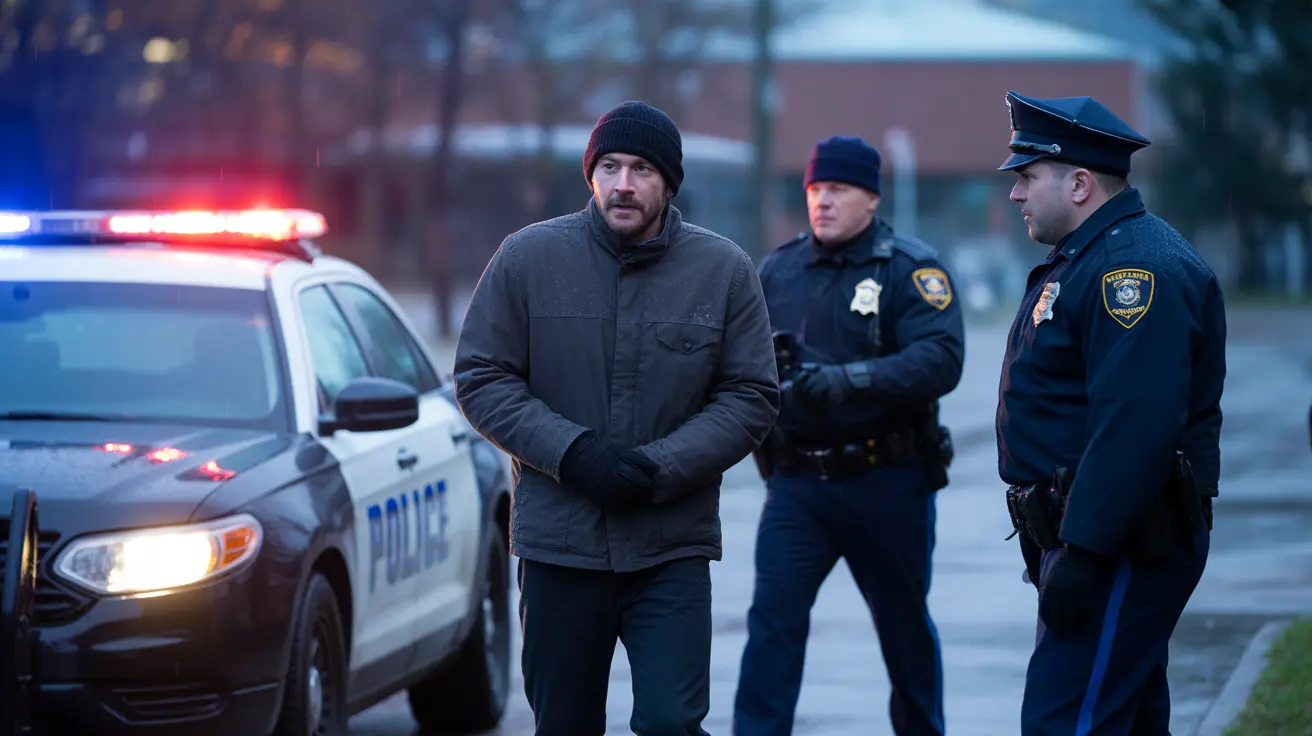
Doug Moeller, an Ann Arbor animal rights activist, is making headlines again as he prepares for another controversial dog rescue mission in Wisconsin. After being arrested during a previous break-in at a dog breeding facility, Moeller is undeterred and plans to return with a team of approximately 20 Michigan volunteers for an April 19 operation aimed at liberating dogs from what activists describe as puppy mill conditions.
The story of Doug Moeller highlights the ongoing tensions between animal rights activism and commercial dog breeding operations, raising important questions about the welfare of breeding dogs and the legal boundaries of rescue efforts. For pet parents who care about responsible breeding practices and animal welfare, understanding these issues is crucial when making decisions about where to acquire their furry family members.
The Wisconsin Dog Breeding Facility Break-In
Moeller's previous arrest in Wisconsin stemmed from his participation in what animal rights groups call a liberation mission at a commercial dog breeding facility. While specific details of the operation remain limited, the incident represents a growing trend of direct action by activists who believe traditional legal channels are insufficient to address alleged puppy mill violations.
These types of underground dog rescues often occur when activists believe dogs are living in substandard conditions at commercial breeding operations. However, such actions exist in a legal gray area and can result in serious criminal charges under various state laws and federal legislation like the Animal Enterprise Terrorism Act.
Understanding Puppy Mills and Commercial Dog Breeders
Puppy mills are commercial breeding facilities that prioritize profit over animal welfare, often housing dogs in overcrowded, unsanitary conditions with minimal veterinary care. These operations differ significantly from reputable breeders who focus on the health, temperament, and proper socialization of their animals.
Responsible pet parents should research breeders thoroughly, visiting facilities in person, meeting parent dogs, and verifying health certifications. Humane society puppy mills investigations have revealed that many commercial operations fail to meet basic standards for animal care, leading to ongoing debates about regulation and oversight in the breeding industry.
Ag-Gag Laws and Animal Rights Activism
The legal landscape surrounding animal rights activism has become increasingly complex with the implementation of ag-gag laws in various states. These laws often prohibit undercover investigations, photography, or recording at agricultural facilities, including commercial dog breeding operations.
For activists like Doug Moeller, these legal restrictions create significant challenges when attempting to document conditions or rescue animals through conventional means. The tension between these laws and animal welfare concerns continues to fuel debate about the most effective approaches to protecting breeding dogs.
The April 19 Mission and Future Plans
Despite his previous arrest, Moeller remains committed to his mission and is actively recruiting Michigan animal activists to join his April 19 operation. This planned action demonstrates the persistent dedication of dog liberation groups, even in the face of potential legal consequences.
The recruitment of volunteers from Michigan highlights the interstate nature of these animal rights efforts and the networks that exist among activists committed to challenging what they view as systemic problems in commercial dog breeding.
Legal Risks and Ethical Considerations
While the motivations behind these rescue operations may stem from genuine concern for animal welfare, it's important to understand the serious legal risks involved. Breaking into private property, even with the intention of helping animals, can result in charges ranging from trespassing to more serious felonies under anti-terrorism legislation.
Pet advocates who share concerns about puppy mill conditions might consider supporting legal alternatives such as legislative advocacy, supporting reputable rescue organizations, or choosing adoption over purchasing from commercial breeders.
Frequently Asked Questions
- Who is Doug Moeller and what did he do in the Wisconsin dog breeding facility break-in?
Doug Moeller is an Ann Arbor animal rights activist who was arrested for his participation in a break-in at a Wisconsin dog breeding facility. He was attempting to rescue dogs from what activists alleged were poor conditions at the commercial breeding operation.
- What are puppy mills and why do activists like Doug Moeller target them for dog rescues?
Puppy mills are commercial breeding facilities that prioritize profit over animal welfare, often keeping dogs in overcrowded and unsanitary conditions. Activists target these facilities because they believe the dogs suffer from neglect and abuse that legal channels have failed to address adequately.
- What are ag-gag laws and how do they affect animal rights activists rescuing dogs?
Ag-gag laws prohibit undercover investigations and documentation at agricultural facilities, including dog breeding operations. These laws make it more difficult for activists to gather evidence of poor conditions and can increase legal penalties for rescue attempts.
- Is Doug Moeller planning another dog rescue operation on April 19, 2026, and how can people get involved?
Yes, Moeller is planning another operation for April 19 and is seeking approximately 20 Michigan volunteers to join his team. However, potential participants should be aware of the serious legal risks involved in such activities.
Moving Forward: Protecting Dogs Through Legal Channels
While Doug Moeller's dedication to animal welfare is evident, pet lovers concerned about breeding conditions should consider supporting legal efforts to improve oversight and regulation of commercial breeding facilities. By choosing reputable breeders, supporting rescue organizations, and advocating for stronger animal protection laws, pet parents can help create positive change without the legal risks associated with direct action.
The story of this Michigan animal rights activist serves as a reminder that the fight for better treatment of breeding dogs continues, even as the methods for achieving these goals remain a subject of significant debate within the animal welfare community.




