
A recent letter to the Honolulu Star-Advertiser has reignited discussions about Hawaii's ongoing struggle with feral animal populations, particularly feral chickens that have become a prominent feature across Hawaiian islands. The letter writer questioned why feral chickens, cats, and dogs have become such contentious issues when the city faces what they consider more pressing concerns.
The debate reflects a broader tension in Hawaiian communities between addressing quality-of-life concerns related to feral animals and allocating municipal resources to other urban challenges. For pet owners and residents alike, understanding the complexities of feral animal management in Hawaii provides important context for responsible pet ownership in island communities.
The Reality of Feral Animal Populations in Hawaii
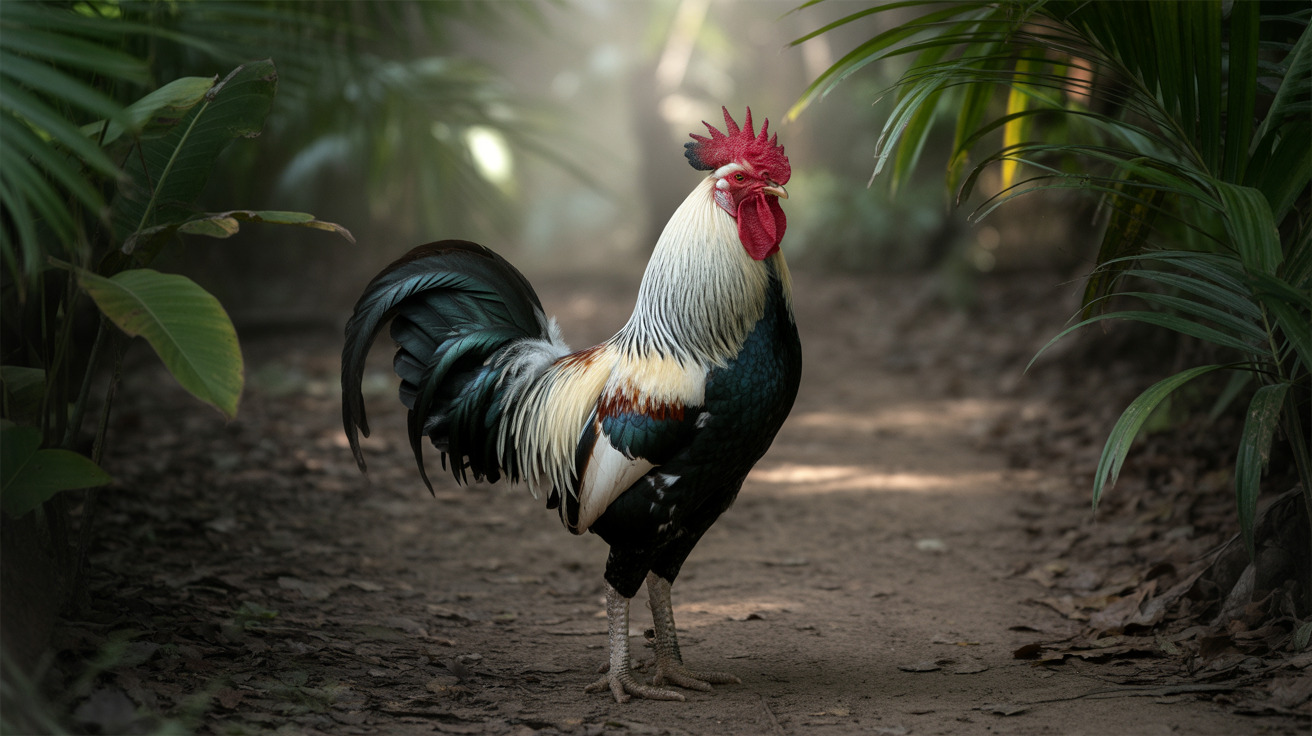
Feral chickens have become an increasingly visible part of Hawaii's urban landscape, with populations thriving across Oahu and other Hawaiian islands. These birds, descendants of domestic chickens that either escaped or were abandoned, have established self-sustaining communities in parks, neighborhoods, and commercial areas throughout Honolulu.
The presence of feral cats and dogs adds another layer to Hawaii's animal control challenges. Unlike their mainland counterparts, island ecosystems present unique circumstances where feral animal populations can impact native wildlife and community well-being in concentrated ways.
Feral Chicken Noise Complaints and Community Impact
Residents frequently cite noise as a primary concern with feral chicken populations. The birds' natural roosting and foraging behaviors can disrupt residential areas, particularly in the early morning hours when roosters crow. Property damage from scratching and pecking behaviors also contributes to community frustration.
Pet owners should understand that responsible pet management includes preventing their own animals from contributing to feral populations. Proper containment, spaying and neutering, and microchipping help ensure domestic animals don't add to existing community challenges.
Hawaiian Native Birds Endangered by Feral Animals
Beyond community nuisance issues, feral animals pose documented threats to Hawaii's native bird species. Feral cats, in particular, are known predators of endemic Hawaiian birds, many of which evolved without natural ground predators and lack defensive behaviors.
The ecosystem impact extends beyond direct predation. Competition for food sources and nesting areas can affect native species' ability to maintain stable populations. For environmentally conscious pet owners, this underscores the importance of keeping cats indoors or in secure enclosures.
Feral Animal Management Solutions and Control Methods
Hawaiian communities have experimented with various approaches to feral animal control, from traditional removal methods to more controversial culling programs. Trap-neuter-return (TNR) programs have gained support among animal welfare advocates as a humane alternative for managing feral cat populations.
Effective feral animal management typically requires community-wide cooperation. Pet owners can contribute by ensuring their animals are properly identified and contained, reducing the likelihood of adding to feral populations through accidental escapes or abandonment.
Urban Wildlife Management Challenges
Managing feral animals in urban Hawaiian environments presents unique challenges compared to mainland cities. Island geography limits natural migration patterns, while year-round favorable weather conditions support population growth. These factors require tailored approaches that consider both animal welfare and community needs.
Successful programs often combine multiple strategies: public education about responsible pet ownership, accessible spay-and-neuter services, and community partnerships between animal welfare organizations and local government agencies.
Frequently Asked Questions
Why are feral chickens such a problem in Hawaii, and where did they come from?
Feral chickens in Hawaii descended from domestic birds that escaped or were released over many years. They thrive in Hawaii's favorable climate and have established breeding populations that can cause noise disturbances, property damage, and compete with native species for resources.
How do feral cats and dogs impact Hawaii's native wildlife and public safety?
Feral cats pose significant threats to Hawaii's native bird species through predation, as many Hawaiian birds evolved without ground predators. Feral dogs can present public safety concerns and may also impact native wildlife through predation or habitat disruption.
What methods does Honolulu use to control feral animal populations, and do they work?
Honolulu employs various methods including removal programs and trap-neuter-return initiatives for cats. Success varies depending on community participation, available resources, and the specific animal population being addressed. Effective control typically requires sustained, multi-faceted approaches.
Moving Forward: Community Responsibility and Practical Solutions
The ongoing debate about feral animal management in Hawaii reflects broader questions about community priorities and resource allocation. While opinions may differ on the urgency of addressing feral animal populations, most stakeholders agree that prevention through responsible pet ownership remains the most effective long-term strategy.
Pet owners can contribute meaningfully by ensuring their animals are spayed or neutered, properly contained, and never abandoned. By taking these steps, Hawaii's pet-owning community can help prevent future feral animal population growth while supporting humane solutions to existing challenges.




