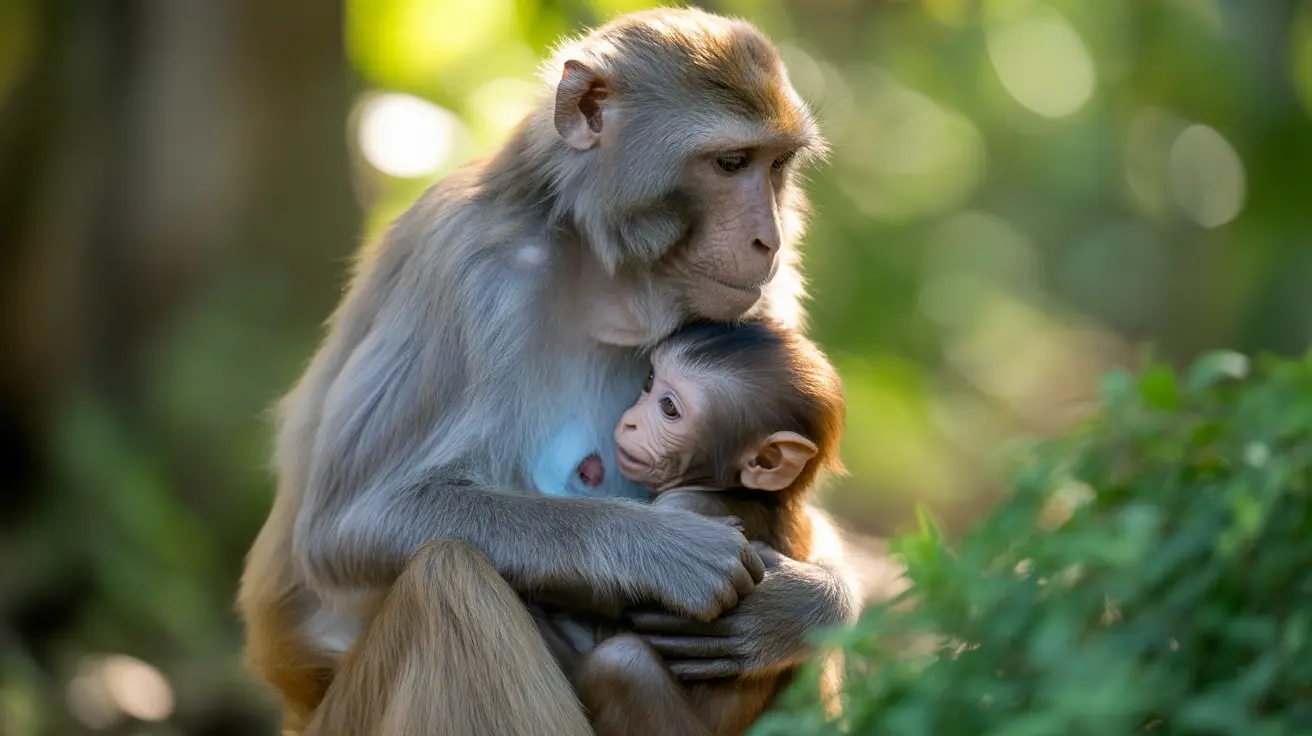
The Oregon Health & Science University (OHSU) board has voted to begin negotiations with the National Institutes of Health (NIH) regarding the potential transformation of the Oregon National Primate Research Center into an animal sanctuary. This groundbreaking decision comes as the NIH evaluates transitioning at least one of its seven national primate research centers away from active research toward sanctuary operations.
For pet owners and animal welfare advocates, this development represents a significant shift in how research institutions approach animal care and the future of primate research facilities. The OHSU primate center negotiations mark a potential milestone in balancing scientific advancement with evolving ethical considerations around animal welfare.
The Oregon National Primate Research Center currently houses hundreds of macaques and baboons used in biomedical research. The facility has been a cornerstone of primate research for decades, contributing to studies on aging, infectious diseases, and neurological conditions. However, changing perspectives on animal research and the development of alternative methodologies have prompted institutions nationwide to reconsider traditional research models.
Understanding the NIH Primate Research Changes
The NIH's initiative to transition primate research centers reflects broader changes in the scientific community's approach to animal research. As new approach methodologies (NAMs) continue to advance, some research that previously required primate models can now be conducted using alternative methods such as computer modeling, cell cultures, and other innovative techniques.
This shift doesn't eliminate the need for all animal research, but it does create opportunities to reduce the number of animals used in studies while maintaining scientific rigor. The transformation of research facilities into sanctuaries represents a compassionate approach to caring for animals that are no longer needed for active research.
OHSU NIH Negotiations: Key Considerations
The negotiations between OHSU and NIH will need to address several critical factors, including the substantial primate sanctuary costs associated with long-term animal care. Maintaining a sanctuary requires significant ongoing funding for veterinary care, facility maintenance, staffing, and daily care of the animals, many of whom may live for decades.
The transition also raises important questions about employment for current research staff and the future of ongoing studies. Converting a research facility to a sanctuary model requires different expertise and operational approaches, potentially affecting jobs and career paths for current employees.
Animal Welfare and Scientific Community Perspectives
Animal welfare organizations have generally praised moves toward sanctuary models, viewing them as more humane alternatives for animals that have spent years in research settings. These sanctuaries can provide enriched environments that allow primates to exhibit more natural behaviors while receiving excellent veterinary care.
The scientific community remains divided on the implications of reducing primate research capacity. While many support the development of alternative research methods, some researchers express concerns about maintaining the ability to conduct studies that may be crucial for advancing treatments for serious human diseases.
National Primate Centers Future and Alternative Approaches
The Oregon facility's potential transformation is part of a broader evaluation of the national primate centers future. The NIH operates seven such centers across the United States, and the agency is carefully considering which facilities should continue traditional research operations versus transitioning to sanctuary models.
This strategic approach allows the NIH to maintain essential research capabilities while responsibly addressing the care of animals that are no longer needed for active studies. The development of new approach methodologies continues to expand the possibilities for conducting research without animal models in many areas.
Frequently Asked Questions
What is happening with the Oregon National Primate Research Center and its potential transition to a sanctuary? The OHSU board has voted to negotiate with NIH about transforming the Oregon National Primate Research Center into an animal sanctuary. This would shift the facility's focus from active research to long-term care of primates in a more naturalistic environment.
Why is OHSU negotiating with NIH to possibly convert the primate research center into a monkey sanctuary? The negotiations reflect the NIH's broader initiative to transition at least one of its seven national primate research centers into sanctuary operations. This aligns with evolving approaches to animal research and the development of alternative research methodologies.
What are the costs and challenges of turning the Oregon primate center into a sanctuary for macaques and baboons? Converting to a sanctuary model involves substantial ongoing costs for veterinary care, facility maintenance, staffing, and daily animal care. The financial commitment extends for decades since primates have long lifespans, making sustainable funding a critical consideration in the negotiations.
The OHSU board's decision to pursue sanctuary negotiations represents a thoughtful approach to balancing scientific needs with animal welfare considerations. As these discussions progress, the outcome will likely influence how other research institutions approach similar transitions and contribute to the ongoing evolution of ethical research practices.