
A devastating house fire on Thomas Street in Myrtle Creek, Oregon, claimed the lives of two people and several animals on April 6, according to local police reports. This tragic incident serves as a stark reminder of how vulnerable our beloved pets can be during home emergencies. When house fire pets died alongside their human family members, it highlights the critical importance of comprehensive fire safety planning that includes our four-legged companions.
The Myrtle Creek Police Department confirmed that multiple animals perished in the blaze, underscoring a heartbreaking reality that pet owners across rural and urban communities face. While investigations into the cause continue, this tragedy emphasizes why every pet-owning household needs a well-thought-out emergency plan that prioritizes both human and animal safety.
Understanding Pet Fire Safety Risks
Pets face unique challenges during house fires that differ significantly from human evacuation needs. Animals often hide when frightened, making rescue efforts more difficult. Unlike humans who can call for help or break windows, pets rely entirely on their owners or first responders for survival.
Rural homes, like the one in Myrtle Creek, may face additional challenges including longer emergency response times and limited water access for firefighting efforts. These factors can make the difference between life and death for trapped animals.
How to Save Pets from Fire: Prevention Strategies
The most effective approach to protecting animals during emergencies focuses on prevention and early detection. Installing interconnected smoke detectors throughout your home provides the earliest possible warning, giving you precious minutes to execute an escape plan.
Pet owners should consider installing pet-specific alert devices that can notify neighbors or monitoring services if smoke is detected while you're away. Some modern systems can even automatically alert emergency services with specific information about pets in the home.
Creating a Pet Fire Escape Plan
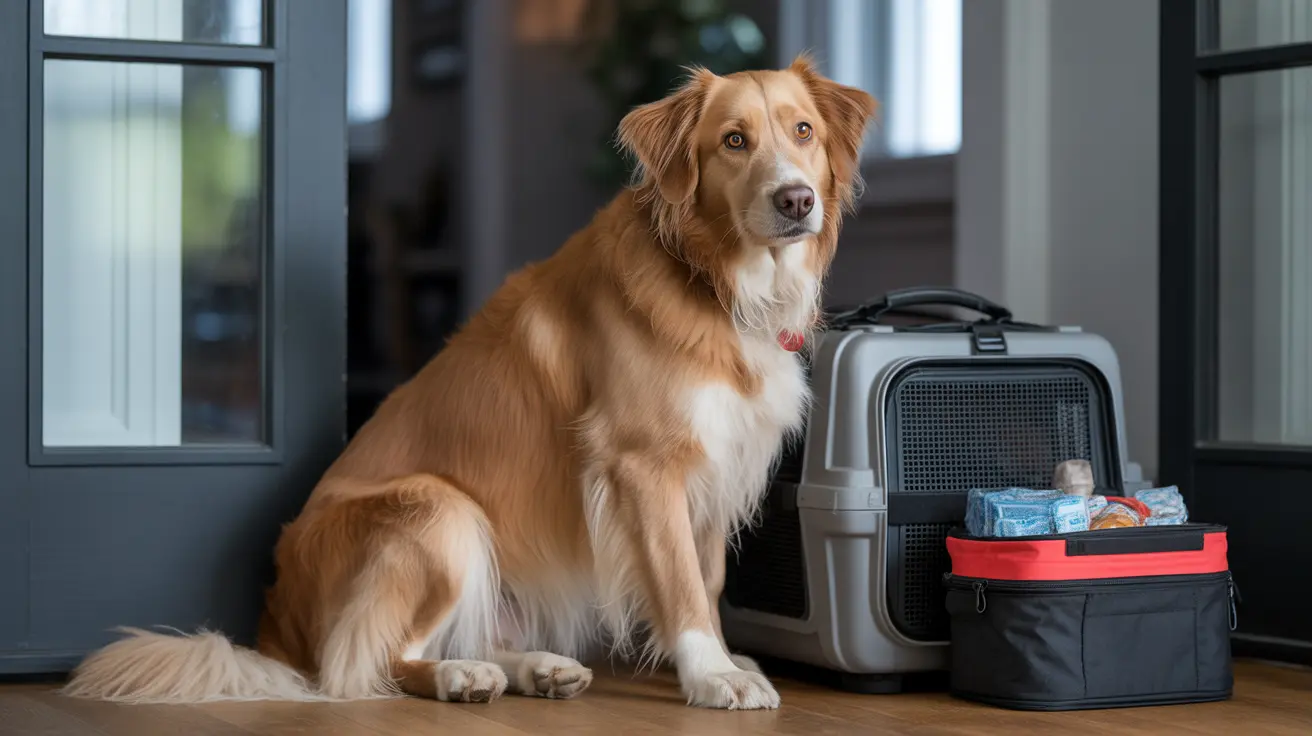
Every household with animals needs a detailed evacuation strategy. Identify two exit routes from each room where pets spend time, and practice moving pets quickly to designated meeting points. Keep leashes, carriers, and emergency supplies near primary exits.
Consider the mobility and behavior patterns of each pet. Cats often hide under beds or in closets when scared, while dogs may become disoriented by smoke. Plan accordingly and practice your evacuation routine regularly.
Pet Smoke Inhalation Fire Dangers
Animals are particularly vulnerable to smoke inhalation due to their size and breathing patterns. Pets closer to the ground encounter concentrated toxic gases faster than humans. Carbon monoxide and other deadly compounds can quickly overwhelm small animals, making rapid evacuation critical.
Signs of smoke inhalation in pets include difficulty breathing, excessive drooling, bright red gums, or loss of consciousness. These symptoms require immediate veterinary attention, even if the animal appears to recover initially.
Rural Home Fire Safety for Pets
Rural properties like the Myrtle Creek home often present unique fire safety challenges. Limited water pressure, longer emergency response times, and greater distances between neighbors can all impact survival outcomes for both people and animals.
Rural pet owners should invest in early warning systems, maintain clear access routes for emergency vehicles, and establish relationships with nearby neighbors who can assist during emergencies. Consider creating firebreaks around your property and maintaining emergency water sources.
Smoke Detectors for Pets: Technology Solutions
Modern smoke detection systems offer features specifically beneficial for pet owners. Smart detectors can send alerts to your phone when you're away, potentially allowing you to return home quickly or dispatch help. Some systems integrate with pet cameras, letting you check on animals remotely during emergencies.
Battery-powered detectors should be checked monthly, as dead batteries have contributed to numerous tragic losses. Interconnected systems ensure that an alarm in one area triggers alerts throughout the house, providing maximum warning time.
Frequently Asked Questions
How can I protect my pets from dying in a house fire?
Install interconnected smoke detectors throughout your home, create and practice a pet evacuation plan, keep emergency supplies accessible, and ensure pets wear identification tags. Consider pet alert decals for windows to inform firefighters about animals inside.
What should pet owners do if there's a fire in their home?
If safe to do so, quickly gather pets using pre-planned routes and meeting points. Never search for hiding animals if smoke is present—exit immediately and inform firefighters about missing pets. Have emergency contact information for local veterinarians readily available.
Are smoke detectors enough to save pets during a house fire?
While smoke detectors provide crucial early warning, they must be combined with a comprehensive emergency plan. Detectors alert you to danger, but having practiced evacuation routes, accessible pet carriers, and emergency supplies makes the difference in successfully saving your animals.
Protecting Our Beloved Companions
The tragic loss of life in Myrtle Creek reminds us that fire safety planning must include every member of our households—both two-legged and four-legged. While we cannot prevent all emergencies, we can significantly improve survival odds through proper preparation, quality detection systems, and regular practice of our emergency procedures.
Take time today to evaluate your home's fire safety measures and create a comprehensive plan that protects your entire family, including your cherished pets. Their lives may depend on the preparations you make right now.




