
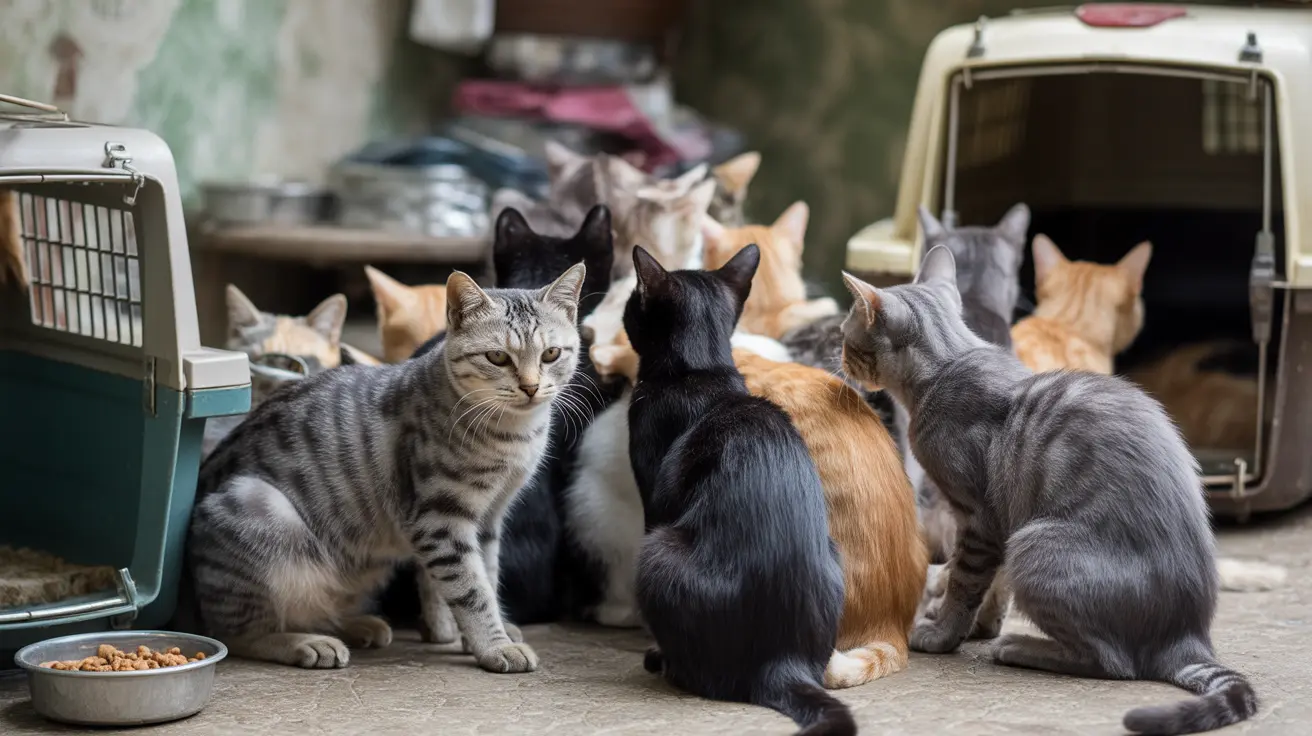
The Royal Society for the Prevention of Cruelty to Animals (RSPCA) has revealed alarming statistics about mass animal rescues across the United Kingdom, highlighting a troubling connection between the ongoing cost-of-living crisis and deteriorating mental health conditions. The charity reported handling 75 incidents in the past year involving 100 or more animals living in single properties, representing a significant welfare concern that extends far beyond individual pet ownership.
These RSPCA mass animal rescues underscore a complex crisis where economic pressures and psychological distress combine to create dangerous living conditions for countless animals. Pet owners across the UK are increasingly struggling to provide adequate care, leading to situations where good intentions spiral into overwhelming circumstances that threaten both human and animal welfare.
Understanding the Scale of Pet Abandonment Cost-of-Living Crisis
The surge in animal welfare incidents 2025 reflects broader societal challenges that many pet-owning households face. When families struggle to afford basic necessities like housing and groceries, pet care expenses often become overwhelming burdens. Veterinary bills, quality pet food, and proper housing can quickly exceed what many households can manage during economic uncertainty.
This financial strain doesn't always lead to immediate pet relinquishment rates increases. Instead, some pet owners attempt to continue caring for their animals despite inadequate resources, inadvertently creating situations where animal welfare becomes compromised. The accumulation of animals in these circumstances often begins with rescue-minded individuals taking in strays or animals from others who can no longer care for them.
Hoarding Behavior Mental Health Connections
Mental health challenges play a significant role in these mass animal situations. Hoarding behavior mental health connections are well-documented, with animal hoarding often representing a complex psychological condition where individuals believe they're providing sanctuary while actually creating harmful environments.
The stress of financial hardship can exacerbate existing mental health conditions or trigger new ones. Depression, anxiety, and social isolation frequently accompany these situations, creating cycles where individuals become increasingly unable to recognize when their animal care has become inadequate. Many people in these circumstances genuinely love animals and believe they're helping, making intervention particularly sensitive.
Emergency Animal Rescue Services Response
Emergency animal rescue services like the RSPCA face unprecedented challenges in addressing these complex cases. Each mass rescue requires significant resources, specialized staff, and coordination with mental health professionals, veterinarians, and local authorities. The animals involved often require extensive medical care, rehabilitation, and eventual rehoming through careful placement processes.
These interventions extend beyond immediate animal removal. Effective responses must address the underlying factors that led to the situation, including connecting individuals with mental health support and financial assistance resources. This holistic approach helps prevent similar situations from recurring and supports both human and animal welfare.
Struggling Pet Owners Support and Prevention
Recognition of these challenges has led to increased focus on struggling pet owners support services. Pet food banks UK have expanded their operations to help families maintain their beloved companions during difficult times. These community resources provide essential supplies and can help identify families at risk before situations become critical.
Affordable pet care assistance programs have also emerged to address veterinary cost barriers. Some organizations offer sliding-scale fees, vaccination clinics, and emergency medical assistance to help pet owners maintain proper healthcare for their animals. Early intervention through these support systems can prevent many situations from escalating to crisis levels.
Building Sustainable Solutions
Addressing animal cruelty statistics UK requires comprehensive approaches that consider both immediate welfare needs and long-term prevention strategies. Community education about responsible pet ownership, recognition of hoarding warning signs, and available support resources can help identify at-risk situations earlier.
Mental health and pet ownership connections need greater recognition within both veterinary and human healthcare systems. Training professionals to identify concerning patterns and connect individuals with appropriate resources can create important safety nets for both people and animals.
Conclusion
The RSPCA's findings about increased animal hoarding UK cases reflect broader societal challenges that require collaborative solutions. While these statistics represent serious animal welfare concerns, they also highlight opportunities for communities to develop better support systems for struggling pet owners. By addressing both the economic and mental health factors contributing to these situations, we can work toward preventing animal suffering while supporting the human-animal bond that enriches so many lives.
Understanding these complex issues helps pet owners, neighbors, and community members recognize when intervention might be needed and how to connect struggling individuals with appropriate resources before situations become critical for both people and animals.
Frequently Asked Questions
What is animal hoarding and how does the cost-of-living crisis contribute to it?
Animal hoarding involves keeping an excessive number of animals without providing adequate care, nutrition, sanitation, and veterinary attention. The cost-of-living crisis contributes by making proper pet care unaffordable for many families, while some individuals take in additional animals they believe need help, creating overwhelming situations they cannot properly manage.
How many animals were rescued by the RSPCA in mass welfare incidents during 2025?
The RSPCA handled 75 incidents involving 100 or more animals living in single properties during the past year. While the exact total number of animals rescued wasn't specified, these large-scale interventions represent thousands of animals requiring emergency care and rehabilitation.
What are the signs that a pet owner may be struggling with animal hoarding behaviors?
- Having more animals than can be properly cared for
- Strong odors from the property
- Animals appearing malnourished or unhealthy
- Reluctance to allow visitors inside the home
- Believing that only they can properly care for the animals despite evidence of inadequate conditions
How does mental health impact pet neglect and abandonment in the UK?
Mental health challenges can impair judgment about animal welfare, create social isolation that prevents outside intervention, and contribute to the belief that accumulating animals is helping rather than harming them. Depression and anxiety may also make it difficult for pet owners to seek help or recognize declining conditions.
What support services are available for pet owners struggling to afford veterinary care and pet food?
Support options include pet food banks, sliding-scale veterinary clinics, emergency medical assistance programs, and community organizations offering affordable pet care. Many areas have local charities that provide temporary assistance to help families keep their pets during financial difficulties.




