
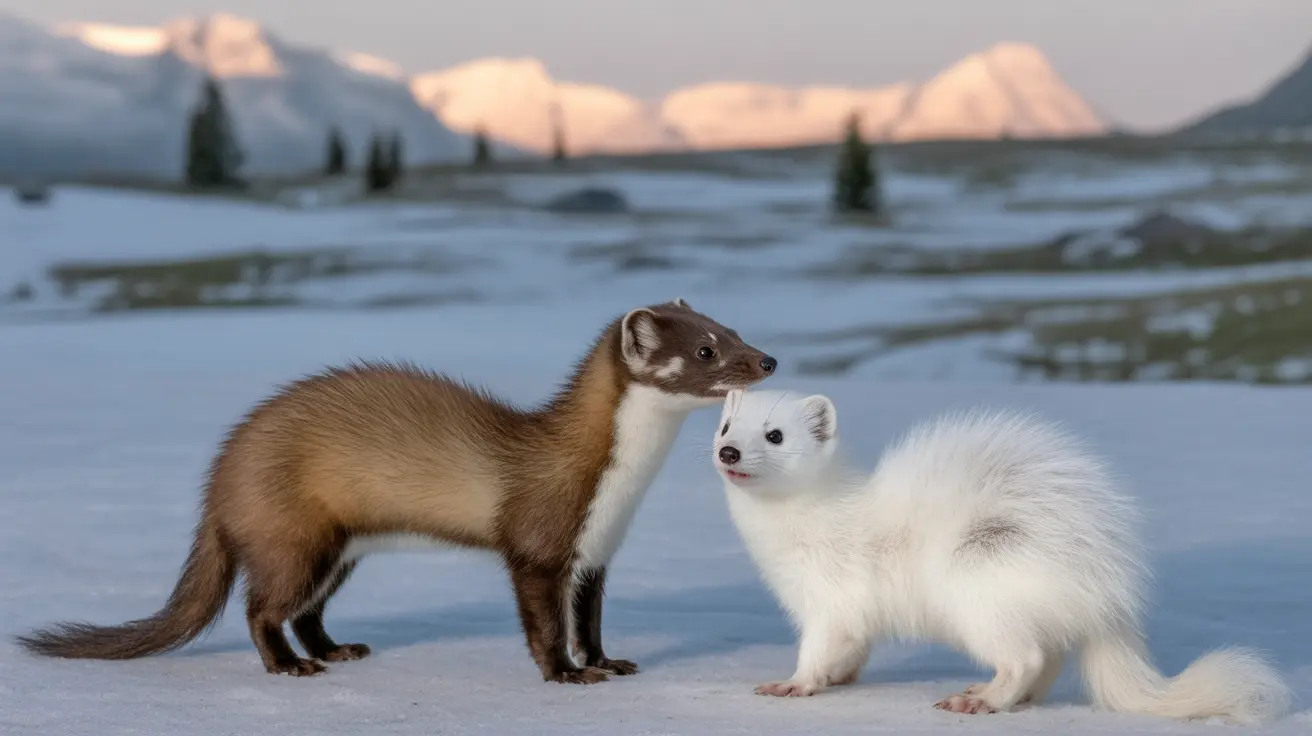
The 2026 Winter Olympics mascots have captured global attention, but behind their charming designs lies an important environmental story. Tina and Milo, the official mascots for the Milano Cortina 2026 Olympics and Paralympics, are based on stoats—small weasel-like animals that face increasing threats from climate change. These Italian stoat mascots represent more than just sporting spirit; they highlight the vulnerability of alpine wildlife in a changing world.
As pet owners and animal lovers, understanding the real-life challenges facing wildlife like stoats can deepen our appreciation for conservation efforts and remind us of our responsibility to protect all creatures, whether they're our beloved pets at home or wild animals in their natural habitats.
The Story Behind Milano Cortina 2026 Mascots
The stoat mascots Milano Cortina selection reflects a thoughtful connection between the Olympic host region and its native wildlife. Stoats are naturally found in the Italian Alps, making them a meaningful choice to represent these winter games. However, the choice also brings attention to a species facing environmental pressures that threaten its survival.
These Gen Z Olympic mascots were designed to appeal to younger audiences while maintaining educational value about alpine ecosystems. The mascot design process involved collaboration with Italian students, ensuring the characters would resonate with both local communities and international visitors.
Understanding Stoat Fur Color Change and Climate Vulnerability
One of the most fascinating aspects of stoats is their seasonal transformation. Stoat fur color change occurs naturally as these animals adapt to winter conditions, turning from brown summer coats to pristine white winter fur. This remarkable adaptation has helped stoats survive in alpine environments for thousands of years.
However, climate change is disrupting this delicate timing mechanism. As winters become shorter and less predictable, stoats may change to white coats when snow cover is insufficient, making them vulnerable to predators. This mismatch between their natural camouflage and environmental conditions represents a significant survival challenge.
Winter Olympics Stoats: From Wildlife to Global Stage
The transformation of stoats from alpine wildlife to Winter Olympics stoats demonstrates how sporting events can raise awareness about conservation issues. The Tina mascot Olympics character embodies the agility and resilience that stoats display in their mountain habitats, while the Milo Paralympics mascot represents the determination these animals show in adapting to challenging conditions.
This connection between sports and wildlife conservation creates opportunities for meaningful conversations about environmental protection. Pet owners, in particular, can relate to the importance of ensuring animals have safe, stable environments where they can thrive.
Paralympic Stoat Mascot and Inclusive Representation
The Milo Paralympics mascot serves as a powerful symbol of adaptation and perseverance. Just as Paralympic athletes overcome challenges to achieve excellence, stoats have evolved remarkable abilities to survive in harsh alpine conditions. This parallel messaging reinforces themes of resilience that resonate with both sporting achievement and wildlife conservation.
The inclusive design approach ensures that both Olympic and Paralympic mascots receive equal attention, promoting awareness about adaptive capabilities in both human athletes and wildlife populations.
Conservation Lessons for Pet Parents
While most pet owners won't encounter wild stoats, the challenges facing these animals offer valuable lessons about environmental stewardship. Creating stable, appropriate environments for our pets mirrors the conservation needs of wild animals like stoats.
Pet parents can support wildlife conservation through responsible pet ownership practices, supporting conservation organizations, and teaching children about the importance of protecting natural habitats. These actions contribute to broader efforts that benefit species like the stoats represented in the Olympic mascots.
Frequently Asked Questions
What animals are the 2026 Winter Olympics mascots based on? The Tina and Milo mascots are based on stoats, small weasel-like animals native to the Italian Alps. These animals are known for their seasonal color changes and agility in mountainous terrain.
Why are stoats threatened by climate change? Stoats change their fur color seasonally to match their environment, turning white in winter for snow camouflage. Climate change disrupts this timing, causing them to have white fur when there's insufficient snow cover, making them vulnerable to predators.
How can the Olympic mascots help with conservation awareness? By featuring stoats as mascots, the Milano Cortina 2026 Olympics bring global attention to these climate-vulnerable animals. This visibility can increase public understanding of alpine wildlife conservation needs and inspire support for environmental protection efforts.
Supporting Wildlife Through Pet Care Awareness
The story of the Tina and Milo mascots reminds us that all animals, from our cherished pets to wild alpine species, deserve environments where they can flourish. As these stoat mascots take the global stage, they carry an important message about the interconnection between climate stability and animal welfare.
By understanding the challenges facing wildlife like stoats, pet owners can become more conscious advocates for animal welfare in all its forms, creating a more sustainable future for pets and wild animals alike.




