
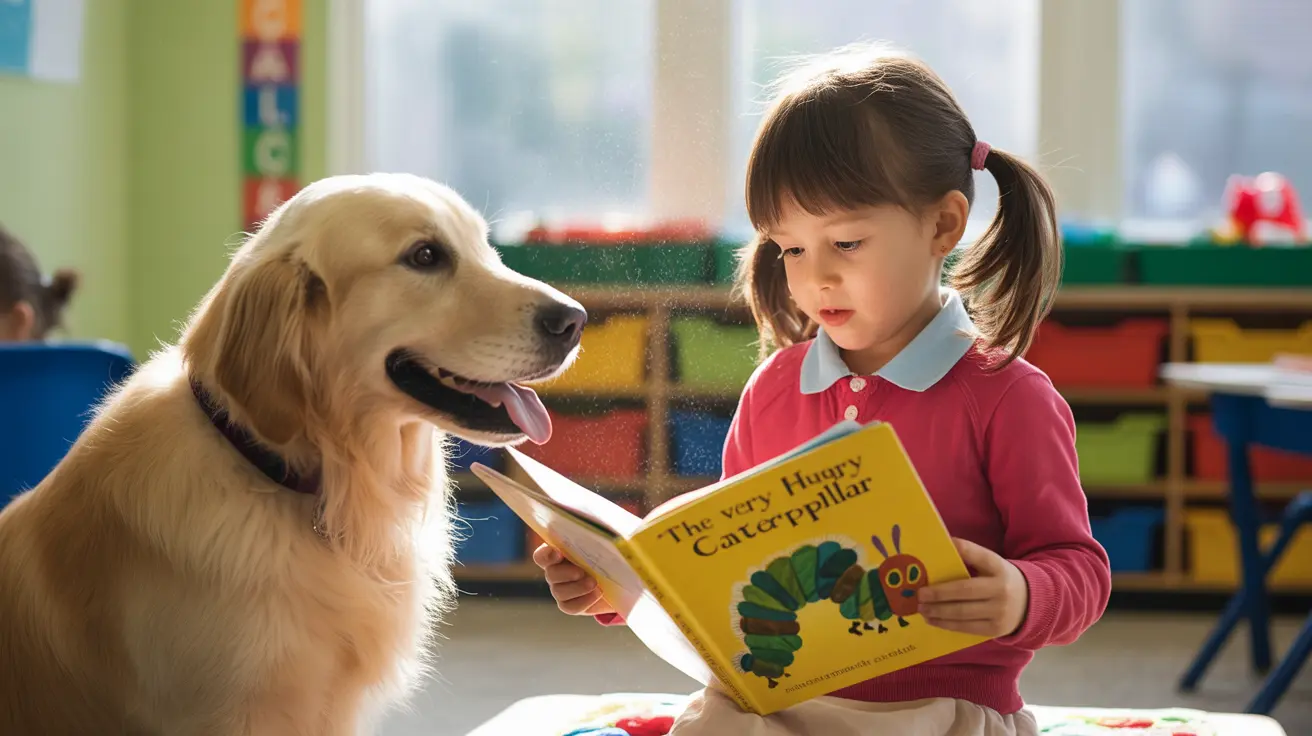
When children struggle with reading, the traditional classroom environment can feel intimidating and stressful. However, a revolutionary approach is changing how young learners engage with literacy through animal-assisted literacy programs. These innovative programs pair struggling readers with specially trained therapy dogs, creating a safe and supportive environment where children can practice their reading skills without fear of judgment.
Sit Stay Read, a nonprofit organization dedicated to motivating young students to improve their literacy skills, exemplifies how animals can serve as powerful educational allies. By incorporating therapy dogs into reading sessions, these programs address both the academic and emotional barriers that often prevent children from developing strong literacy foundations.
Benefits of Reading to Dogs for Young Learners
The concept of reading to therapy dogs might seem unconventional, but the results speak for themselves. Children who participate in these programs often demonstrate remarkable improvements in their reading fluency and confidence levels. Unlike reading aloud to teachers or peers, sharing stories with a furry companion eliminates performance anxiety and creates a naturally calming atmosphere.
Therapy dogs provide the perfect audience for hesitant readers. They listen without interrupting, never correct pronunciation mistakes, and offer unconditional acceptance. This nonjudgmental reading environment allows children to focus entirely on the words and stories rather than worrying about making errors or facing criticism.
Improving Child Reading Fluency Through Canine Companions
Reading fluency develops through consistent practice, but many struggling readers avoid reading aloud because of embarrassment or anxiety. Animal-assisted literacy programs solve this problem by making reading practice enjoyable and stress-free. Children naturally feel more relaxed when interacting with animals, which translates into more confident oral reading.
The presence of therapy dogs encourages children to read more slowly and clearly, as they instinctively want to communicate effectively with their canine audience. This natural pacing helps improve comprehension and allows young readers to process text more thoroughly.
Reading Anxiety Solutions Through Therapy Dogs in Schools
Reading anxiety is a common challenge that affects many elementary school students. Traditional interventions often focus solely on academic skills while overlooking the emotional components of reading difficulties. Therapy dogs address this gap by providing emotional support that complements literacy instruction.
When children read to therapy dogs, their stress levels naturally decrease. The simple act of petting a calm, friendly dog can lower blood pressure and reduce cortisol levels, creating optimal conditions for learning. This physiological response helps children approach reading with a more positive mindset.
Emotional Benefits of Therapy Dogs in Educational Settings
Beyond improving reading skills, animal-assisted education programs offer significant social and emotional benefits. Children develop empathy, responsibility, and self-confidence through their interactions with therapy dogs. Many participants report feeling more motivated to attend school and engage in learning activities.
The bond formed between child and therapy dog often extends beyond reading sessions, providing ongoing emotional support throughout the school day. This relationship can be particularly beneficial for children who struggle with social connections or face challenges at home.
Early Elementary Reading Help Through Animal Partners
Early intervention is crucial for preventing long-term reading difficulties, and animal-assisted literacy programs provide an engaging approach to early elementary reading support. Young children are naturally drawn to animals, making therapy dog programs an effective tool for capturing and maintaining their attention during literacy activities.
These programs work particularly well with kindergarten through third-grade students who are developing foundational reading skills. The informal, playful atmosphere created by therapy dogs helps young learners associate reading with positive emotions rather than academic pressure.
Frequently Asked Questions
How do animal-assisted literacy programs help children improve their reading skills?
Animal-assisted literacy programs create a stress-free environment where children can practice reading aloud without fear of judgment. Therapy dogs serve as patient, non-critical listeners, allowing students to focus on fluency and comprehension rather than performance anxiety. This supportive atmosphere encourages more frequent practice, which directly leads to improved reading skills.
What makes therapy dogs effective listeners for children struggling with reading anxiety?
Therapy dogs are specially trained to remain calm, gentle, and attentive during reading sessions. They provide unconditional acceptance and never interrupt or correct mistakes, which helps anxious readers feel safe to take risks with unfamiliar words. The presence of a friendly animal naturally reduces stress hormones and creates a relaxing environment conducive to learning.
Can reading to dogs boost a child's motivation and confidence to read aloud?
Yes, reading to therapy dogs significantly increases both motivation and confidence. Children often view these sessions as special playtime rather than academic work, making them eager to participate. As they experience success in this supportive environment, their confidence grows, and they become more willing to read aloud in other settings, including traditional classroom environments.
Building Stronger Readers Through Animal Connection
Animal-assisted literacy programs represent a thoughtful integration of education and emotional support, addressing the whole child rather than just academic deficits. As more schools recognize the powerful connection between emotional well-being and academic success, these programs continue to expand and evolve.
For families and educators seeking innovative solutions to reading challenges, animal-assisted literacy programs offer hope and proven results. By harnessing the natural bond between children and animals, these programs transform reading from a source of stress into an opportunity for growth, connection, and joy.




