
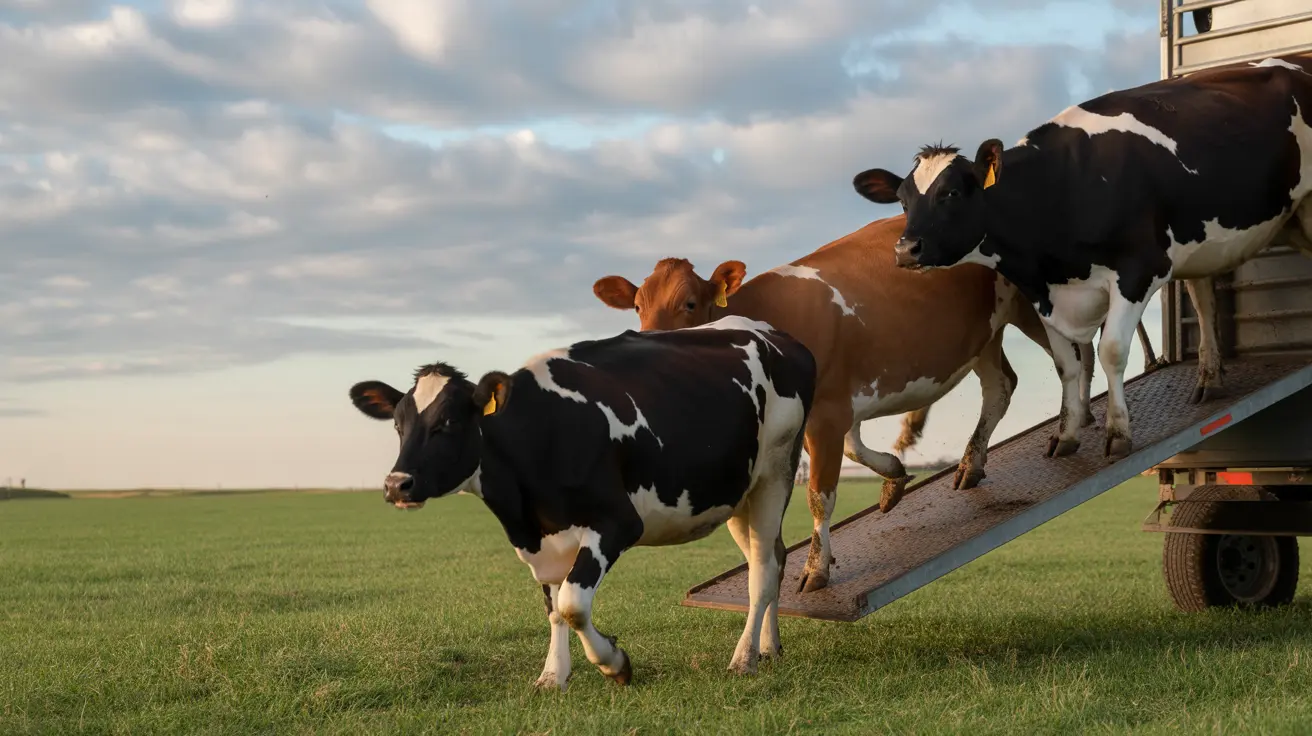
The World Organisation for Animal Health (WOAH) has issued a crucial statement reinforcing the importance of animal welfare during transport, establishing rigorous standards that protect animals across all modes of transportation. As pet owners and livestock handlers increasingly rely on various transport methods, these guidelines serve as essential safeguards for animal health and wellbeing during what can be highly stressful journeys.
WOAH's comprehensive approach addresses transport welfare across land, sea, and air transport systems, recognizing that proper animal care doesn't end at the farm gate or veterinary clinic door. These standards are particularly relevant for pet parents planning air travel with their companions and livestock producers managing animal movements across distances.
Understanding WOAH Animal Transport Standards
The organization's statement emphasizes that ensuring animal welfare during transport requires adherence to strict protocols designed to minimize stress and prevent injury. These standards recognize that transportation presents unique challenges that can significantly impact animal health if not properly managed.
WOAH's guidelines establish that all transport activities must prioritize animal wellbeing through proper planning, appropriate equipment, and trained personnel. The standards acknowledge that different species and individual animals have varying needs during transport, requiring customized approaches to ensure their safety.
Critical Importance of Fitness-to-Travel Assessment Animals
Before any transport begins, WOAH mandates comprehensive fitness-to-travel assessments to determine whether animals are suitable for the journey ahead. This evaluation process helps identify potential health risks and ensures that only animals capable of handling transport stress are moved.
The assessment covers physical condition, behavioral indicators, and species-specific considerations that might affect an animal's ability to cope with transport conditions. For pet owners, this means working with veterinarians to evaluate whether their companion is ready for travel, while livestock producers must assess herd health before movement.
IATA 2026 Live Animal Regulations and Pet Air Transport Regulations
The International Air Transport Association has introduced updated live animal regulations for 2026, creating more stringent requirements for pet air transport regulations. These changes reflect growing awareness of the unique challenges animals face during air travel, including pressure changes, noise levels, and confinement stress.
The new regulations place particular emphasis on proper container specifications, ventilation requirements, and handling procedures. Pet owners planning air travel should familiarize themselves with these updated requirements well in advance of their travel dates.
Special Considerations for Vulnerable Animals
Brachycephalic Breed Air Transport
Animals with shortened airways, particularly brachycephalic dog and cat breeds, face heightened risks during air transport. WOAH's standards acknowledge these vulnerabilities and recommend additional precautions for flat-faced breeds that may struggle with breathing difficulties in pressurized cargo holds.
Neonatal Calf Transport Risks
Young animals, especially neonatal calves, present unique transport challenges due to their developing immune systems and higher stress susceptibility. The guidelines emphasize shortened journey times, frequent monitoring, and specialized care protocols for these vulnerable populations.
Ensuring Humane Animal Transport Compliance
WOAH's statement underscores that humane animal transport extends beyond regulatory compliance to encompass ethical responsibility. This includes providing adequate space, ventilation, food, and water during transport, as well as ensuring animals are handled with care throughout the journey.
The organization's approach to animal transport compliance involves multiple stakeholders, from transport companies and handlers to veterinarians and regulatory bodies. Each plays a crucial role in maintaining welfare standards that protect animals during what can be inherently stressful experiences.
Managing Animal Stress During Transport
Transport-induced stress animals experience can have lasting health impacts if not properly managed. WOAH's guidelines recognize that stress reduction begins with pre-transport preparation and continues through arrival at the destination.
Effective stress management includes familiar handlers when possible, appropriate sedation protocols where necessary, and minimizing loading and unloading disruptions. For pet owners, this might mean acclimating animals to carriers before travel and maintaining calm, reassuring presence during transport preparations.
Frequently Asked Questions
What are the key animal welfare standards I need to know about when transporting pets or livestock?
WOAH's standards require fitness-to-travel assessments, appropriate container specifications, adequate ventilation and space, access to food and water, trained handlers, and species-specific care protocols. These standards apply across all transport modes and emphasize minimizing stress while ensuring animal safety throughout the journey.
Why is a fitness-to-travel assessment important before transporting animals, and what does it involve?
Fitness-to-travel assessments identify animals that may not be suitable for transport due to health conditions, stress susceptibility, or physical limitations. The evaluation includes examining physical condition, behavioral indicators, and species-specific factors that could affect an animal's ability to handle transport stress safely.
What are the new IATA 2026 regulations for air transport, and how do they affect shipping my pet or animals?
The updated IATA 2026 live animal regulations introduce stricter container requirements, enhanced ventilation standards, and improved handling procedures. These changes particularly impact brachycephalic breeds and require pet owners to work closely with airlines to ensure compliance with new specifications for safe air transport.
WOAH's commitment to animal welfare during transport represents a crucial step forward in protecting animals across all transportation scenarios. Whether you're a pet parent planning a family move or a livestock producer managing herd movements, these standards provide the framework for ensuring safe, humane transport practices that prioritize animal wellbeing above all else.




