
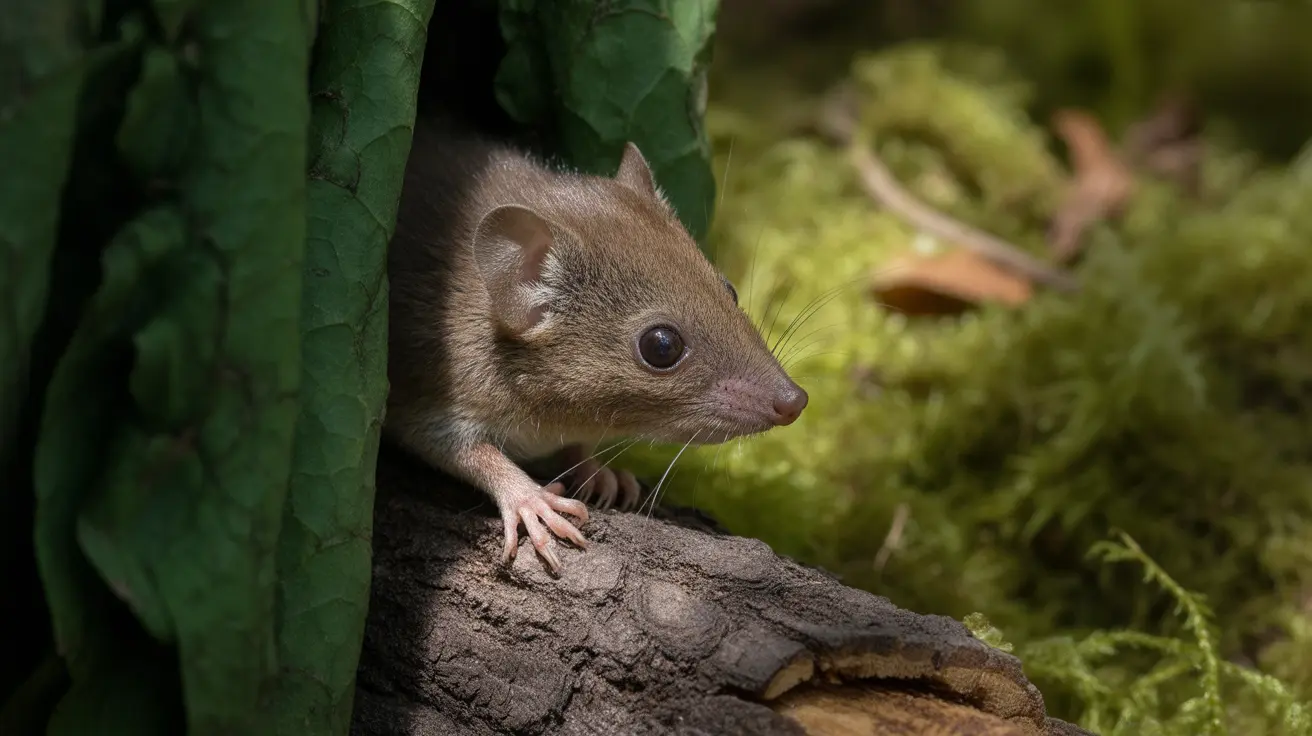
In the world of animal reproduction, few creatures demonstrate as extreme dedication as the small Australian marsupial known as the antechinus. This unassuming, mouse-sized mammal engages in what scientists consider one of nature's most intense breeding strategies, with marathon mating sessions that can last up to 14 hours—longer than a typical workday. While pet owners may find this fascinating from a wildlife perspective, understanding antechinus mating behavior offers remarkable insights into the diverse reproductive strategies found in the animal kingdom.
The antechinus represents an extraordinary example of semelparous reproduction, where males literally mate themselves to death during their single breeding opportunity. This extreme reproductive strategy has evolved over millions of years in Australia's unique ecosystem, making these small marsupials one of the most dedicated—and short-lived—lovers in the animal world.
Male Antechinus Reproduction: A Life-or-Death Commitment
Male antechinus face the ultimate biological trade-off during their brief lives. Unlike most mammals that breed multiple times throughout their lifespan, male antechinus have just one shot at reproductive success. This single opportunity drives them to extraordinary lengths during the three-week breeding season, fundamentally altering their behavior and physiology.
During this critical period, males abandon nearly all other activities to focus exclusively on mating. They reduce their sleep by three hours every night, sacrificing rest to maximize their time seeking and courting females. This sleep deprivation, combined with the physical demands of extended mating sessions, creates a perfect storm of physiological stress.
Antechinus Breeding Season: When Survival Takes a Backseat
The antechinus breeding season typically occurs once per year, usually during winter months when environmental conditions are most favorable for offspring survival. This synchronized breeding ensures that all males compete simultaneously, creating intense reproductive pressure.
During these three weeks, the normally solitary males become highly aggressive competitors, engaging in fierce battles for access to females. The winners earn the right to those marathon 14-hour mating sessions, but this victory comes at the ultimate cost—their lives.
Why Do Antechinus Die After Mating: The Science Behind Sacrifice
The death of male antechinus after breeding isn't accidental—it's the result of extreme physiological changes triggered by hormone surges. Testosterone and corticosteroid levels skyrocket during the breeding season, reaching concentrations that would be fatal to most mammals.
This acute chronic stress leads to a cascade of health problems including organ failure, immune system collapse, and internal bleeding. The males' bodies essentially burn out from the intensity of their reproductive effort, typically dying within weeks of the breeding season's end.
Antechinus Sleep Deprivation and Its Consequences
The three-hour nightly sleep reduction during breeding season represents a significant physiological challenge for antechinus. This chronic sleep deprivation compounds the stress from intense mating activities, further weakening their immune systems and accelerating their decline.
Research has shown that this sleep sacrifice is calculated—males that don't reduce their rest time are less successful at mating, while those that push their limits achieve greater reproductive success despite the fatal consequences.
Australian Marsupial Mating: A Unique Evolutionary Strategy
The antechinus mating system represents a unique evolutionary adaptation among Australian marsupials. While most marsupials have more conventional breeding patterns, antechinus have evolved this extreme strategy as a response to their harsh, resource-limited environment.
This semelparous reproduction ensures that all available energy and resources are concentrated into a single, maximum reproductive effort rather than spread across multiple breeding seasons. From an evolutionary perspective, this strategy can be highly successful when environmental conditions make long-term survival difficult.
Frequently Asked Questions
- Why do male antechinus sacrifice sleep during mating season? Male antechinus reduce their sleep by three hours every night during their three-week breeding period to maximize time for mating with multiple females, since they only have one reproductive opportunity in their entire lifetime.
- How long do antechinus mating sessions last? Male antechinus engage in marathon mating sessions lasting up to 14 hours per session—longer than a typical workday—during their intense breeding period.
- Why do male antechinus die after mating? Male antechinus die shortly after their breeding season due to acute chronic stress caused by extreme hormone surges (testosterone and corticosteroids), which leads to organ failure, immune system collapse, and internal bleeding.
- What is the difference between male and female antechinus lifespans? Male antechinus live only about one year and die after their single mating season, while females can survive for up to two years and breed multiple times in their lifetime.
- Are antechinus good pets, and what do they eat in the wild? Antechinus are wild carnivorous insectivores that eat beetles, spiders, larvae, and other invertebrates; they are not suitable as pets and are best observed in their natural Australian forest habitats.
Conclusion
The extraordinary antechinus mating behavior demonstrates nature's incredible diversity in reproductive strategies. While these small Australian marsupials may seem worlds away from our domestic pets, their story reminds us of the complex evolutionary pressures that shape animal behavior across species.
Understanding such extreme examples of animal reproduction helps us appreciate the more moderate breeding patterns of our companion animals and the importance of responsible pet care practices. The next time you observe your pets' natural behaviors, consider the remarkable evolutionary journey that shaped their instincts—though thankfully, our dogs and cats don't face the same life-or-death reproductive pressures as the dedicated antechinus.




