
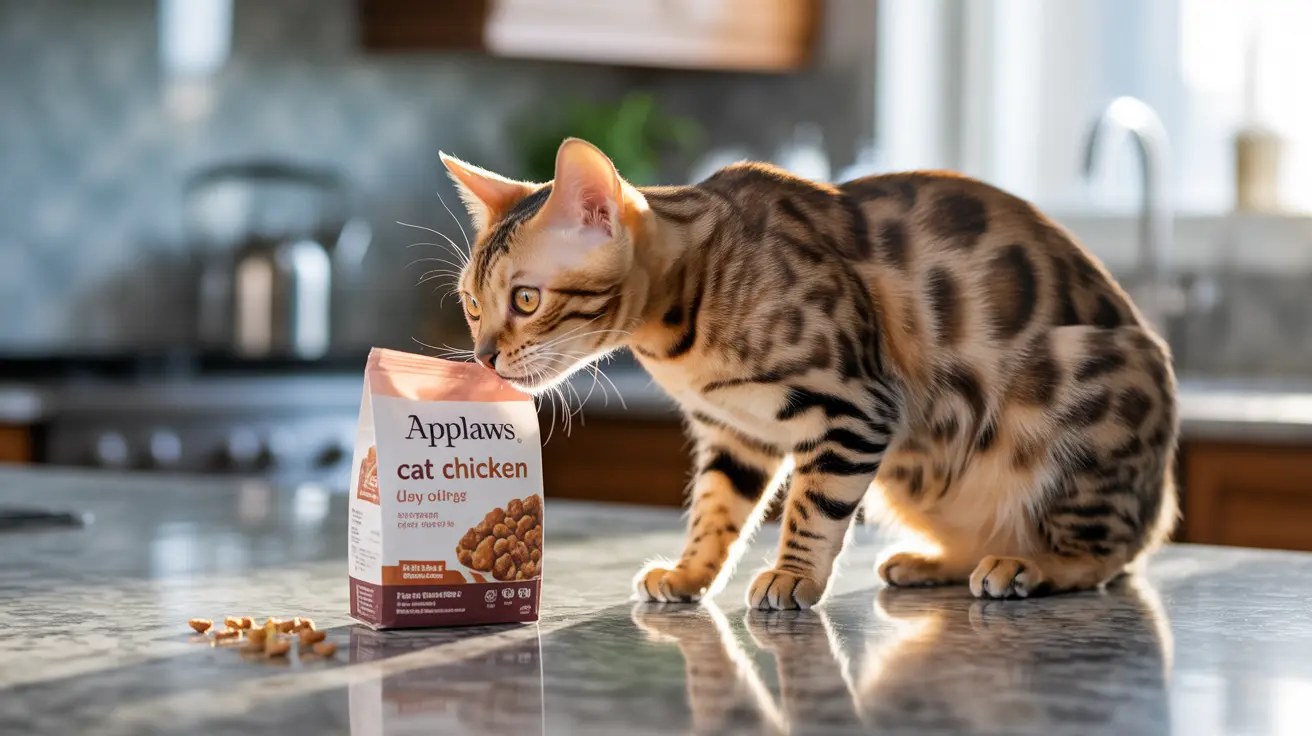
Applaws, a brand known for its high-protein, grain-free recipes, had built a reputation for using natural ingredients. However, the recall raised questions about ingredient sourcing, production oversight, and the safety of mass-produced pet foods. The company cooperated with authorities, including the Food Standards Agency (FSA) in the UK and the U.S. Food and Drug Administration (FDA), to identify the root cause. Early findings suggested that a possible contamination or nutrient imbalance might have contributed to the illnesses. This event served as a wake-up call for both manufacturers and pet owners to pay closer attention to product origins and recall notices.
While the recall was limited to specific regions and product lines, its impact was global. Pet owners across the world began scrutinizing their cat food labels, checking batch numbers, and seeking safer alternatives. The incident also highlighted the interconnected nature of the pet food supply chain, where one facility’s issue can affect multiple brands. As investigations continued, Applaws took steps to reassure customers by enhancing quality checks and improving communication about product safety. This proactive approach helped rebuild some consumer trust, but the recall remains a significant case study in pet food safety management.
Causes and Investigation Findings
The investigation into the Applaws cat food recall revealed a complex web of factors that contributed to the problem. Initial testing pointed toward potential deficiencies in essential nutrients, particularly thiamine (vitamin B1), which is vital for feline health. Cats require thiamine for proper neurological and metabolic function, and a deficiency can lead to severe symptoms such as seizures, loss of coordination, and even death if left untreated. The possibility of contamination or improper formulation during production was also explored, as the affected facility produced multiple brands under similar conditions. This raised concerns about cross-contamination and inadequate quality assurance protocols.
Regulatory agencies worked closely with veterinarians and toxicologists to analyze samples from affected cats and recalled products. Their findings suggested that while contamination was not widespread, certain batches may have contained imbalanced nutrient levels. This imbalance could have resulted from errors in ingredient measurement or storage conditions that degraded sensitive vitamins. The manufacturer responded by halting production at the implicated facility and conducting a full audit of its supply chain. These actions were crucial in preventing further distribution of potentially harmful products and in restoring confidence among consumers and retailers.
In the aftermath, Applaws implemented stricter testing procedures and introduced third-party verification for nutrient content. The company also increased transparency by publishing detailed recall updates and laboratory results on its website. These measures demonstrated a commitment to accountability and consumer safety. The recall investigation ultimately emphasized that even brands with strong reputations must maintain rigorous oversight at every stage of production. It also reinforced the need for pet owners to stay informed about recalls and to report any unusual symptoms in their pets promptly to veterinarians and regulatory bodies.
Health Risks and Symptoms in Affected Cats
The health effects associated with the recalled Applaws cat food varied depending on the severity of nutrient imbalance and the duration of exposure. Cats that consumed the affected batches exhibited a range of symptoms, from mild digestive upset to serious neurological issues. Common early signs included vomiting, reduced appetite, and unusual fatigue. In more severe cases, cats developed tremors, difficulty walking, or seizures, which are hallmark indicators of thiamine deficiency. Because cats cannot synthesize thiamine on their own, they rely entirely on dietary intake, making them particularly vulnerable to deficiencies caused by poor-quality food.
Veterinarians treating affected cats emphasized the importance of early detection and intervention. When caught in time, thiamine deficiency can often be reversed through supplementation and dietary correction. However, prolonged deficiency can cause irreversible neurological damage. This underscores why pet owners should always monitor their cats’ behavior and physical condition closely, especially after a diet change or when feeding new batches of food. The recall served as a reminder that even premium brands are not immune to production errors, and vigilance is key to maintaining pet health.
To help cat owners identify potential warning signs, veterinarians recommended watching for the following symptoms:
- Loss of appetite or refusal to eat
- Vomiting or persistent digestive upset
- Unsteady gait, weakness, or muscle tremors
- Seizures or unusual neurological behavior
- Excessive lethargy or hiding behavior
If any of these symptoms appear, immediate veterinary consultation is essential. Early treatment can prevent long-term complications and may save a cat’s life. The recall also encouraged many owners to keep a record of product batch numbers and expiration dates, which can be invaluable during future recall investigations.
How Pet Owners Can Respond to Recalls
When a pet food recall occurs, swift and informed action can make a significant difference in protecting your cat’s health. The first step is to verify whether the product you have at home is part of the recall. This can be done by checking the brand’s official website, government recall databases, or trusted pet care news outlets. Applaws, for example, provided detailed batch codes and expiration dates for all affected products, allowing consumers to identify them easily. Once confirmed, owners should immediately stop feeding the recalled food and safely dispose of it to prevent accidental consumption by pets or wildlife.
After removing the product, it’s important to monitor your cat for any signs of illness, even if they appear healthy. Some nutrient deficiencies or toxic exposures develop gradually, so continued observation is essential. If symptoms arise, contact your veterinarian and provide them with details about the food, including the batch number and feeding duration. This information helps veterinarians diagnose potential issues more accurately. Additionally, reporting any adverse reactions to regulatory agencies contributes to broader safety monitoring and helps prevent similar incidents in the future.
Pet owners can also take proactive steps to minimize risks associated with future recalls:
- Register pet food purchases with the manufacturer to receive direct recall alerts.
- Store food in its original packaging to retain batch and lot information.
- Rotate food supplies regularly to ensure freshness and reduce spoilage risks.
- Choose brands that publish independent lab testing results and maintain transparent sourcing policies.
- Stay informed through reputable pet health websites and veterinary newsletters.
By adopting these habits, cat owners can better safeguard their pets and respond quickly to any emerging food safety concerns. The Applaws recall demonstrated that awareness and preparedness are the best defenses against unforeseen product issues.
Industry Impact and Lessons Learned
The Applaws cat food recall had far-reaching implications for the pet food industry. It prompted manufacturers, regulators, and consumers to reevaluate existing safety standards and oversight mechanisms. Many companies began investing in more advanced quality control technologies, such as real-time nutrient analysis and automated contamination detection. These innovations aim to catch potential problems before products reach store shelves. The recall also encouraged greater collaboration between pet food brands and veterinary nutrition experts to ensure that formulations meet the specific dietary needs of cats and dogs.
From a regulatory standpoint, agencies like the FDA and FSA strengthened their monitoring frameworks and communication strategies. They emphasized the importance of timely public notifications and clearer labeling requirements. The incident also led to discussions about the need for global consistency in pet food safety regulations, as many brands operate across multiple markets. For consumers, the recall reinforced the value of transparency and accountability in brand relationships. Pet owners increasingly expect companies to disclose ingredient sources, manufacturing locations, and testing protocols.
Ultimately, the Applaws recall served as a turning point in how both producers and consumers view pet food safety. It highlighted that even well-intentioned brands can face challenges when supply chains become complex and oversight lapses occur. The lessons learned from this event continue to shape industry practices, leading to safer, more reliable products for pets worldwide. As awareness grows, the hope is that future recalls will be rarer, and when they do occur, responses will be faster and more effective.
The Applaws cat food recall was a sobering reminder of the importance of vigilance, transparency, and accountability in the pet food industry. While the company took responsible steps to address the issue and improve its processes, the incident underscored how easily trust can be shaken when pet health is at stake. For cat owners, the key takeaway is to remain informed, monitor their pets closely, and prioritize brands that demonstrate consistent safety and quality standards. Recalls, though unsettling, can ultimately drive positive change by pushing the industry toward higher levels of integrity and care.
As the pet food market continues to expand, maintaining rigorous safety protocols and open communication between manufacturers, veterinarians, and consumers will be essential. The Applaws case has become a benchmark for how companies should handle recalls—swiftly, transparently, and with the well-being of animals as the top priority. Through collective awareness and responsible action, pet owners and producers alike can help ensure that every meal served to a beloved cat is both nutritious and safe.
FAQ
What products were included in the Applaws cat food recall?
The recall primarily affected certain batches of Applaws dry cat food produced at a specific manufacturing facility. These included select varieties of chicken and fish-based recipes packaged in particular sizes. The company published a detailed list of affected batch numbers and expiration dates on its official website and through regulatory agencies. Pet owners were advised to cross-check their product packaging against this list to determine whether their food was part of the recall. Only products manufactured within a defined time frame were impacted, and wet food varieties were not included.
Why was the Applaws cat food recalled?
The recall was initiated after reports of cats developing health issues potentially linked to nutrient imbalances in the food. Investigations revealed that some batches might have contained insufficient levels of thiamine, an essential vitamin for cats. Thiamine deficiency can cause neurological problems, loss of appetite, and other serious symptoms. The manufacturer and regulatory authorities acted quickly to remove the affected products from circulation and to conduct further testing. The recall was a precautionary measure to prevent additional cases and to ensure consumer safety.
How can I check if my cat’s food is affected?
To verify whether your cat’s food is part of the recall, locate the batch number and expiration date printed on the packaging. Compare this information with the official recall list published by Applaws or the relevant food safety authority. If your product matches any of the listed codes, stop feeding it immediately. You can also contact the company’s customer service for confirmation or guidance on refunds and replacements. Keeping receipts and packaging is helpful for verification and reporting purposes during any recall event.
What symptoms should I watch for if my cat ate recalled food?
Cats that consumed affected food may show signs of thiamine deficiency or general illness. Common symptoms include vomiting, lethargy, loss of appetite, and unsteady movement. In more advanced cases, neurological symptoms such as tremors or seizures may occur. If you observe any of these signs, contact your veterinarian right away. Early diagnosis and treatment can often reverse the effects of nutrient deficiency. Even if your cat appears healthy, it’s wise to schedule a checkup if they have eaten recalled food for an extended period.
What should I do with recalled cat food?
Do not continue feeding recalled food to your cat. Seal the product in a plastic bag and dispose of it according to local waste guidelines to prevent accidental ingestion by other animals. Some retailers and manufacturers offer refunds or replacements for recalled products, so check the company’s official recall notice for instructions. Avoid donating recalled food to shelters or other pet owners, as it may still pose health risks. Always wash your hands thoroughly after handling recalled items to minimize contamination risks.
Can thiamine deficiency be treated?
Yes, thiamine deficiency can often be treated successfully if detected early. Veterinarians typically administer thiamine supplements either orally or through injections, depending on the severity of the deficiency. Most cats respond positively within days of treatment, showing improved appetite and energy levels. However, if the deficiency has persisted for a long time, neurological damage may be irreversible. This is why prompt veterinary care is essential whenever symptoms appear. Maintaining a balanced, high-quality diet afterward helps prevent recurrence and supports long-term health.
How can I stay informed about future pet food recalls?
Pet owners can subscribe to recall alerts from regulatory agencies such as the FDA or FSA, as well as from trusted pet care websites. Many brands, including Applaws, allow customers to register their purchases for direct notifications in case of recalls. Following veterinary associations and pet health news outlets on social media is another effective way to stay updated. Keeping an eye on official company announcements ensures that you receive accurate information quickly, helping you act before potential issues affect your pet.
Are Applaws products safe to use now?
Following the recall, Applaws implemented stricter quality control measures and resumed production only after thorough safety verification. Independent testing confirmed that current batches meet nutritional and safety standards. The company also increased transparency by publishing detailed ingredient sourcing and testing information. While no brand can guarantee absolute immunity from future recalls, Applaws has taken significant steps to restore consumer confidence. As always, pet owners should remain attentive to official updates and monitor their cats’ health regularly when introducing any new food.
What lessons did the pet food industry learn from this recall?
The Applaws recall highlighted the need for stronger oversight, better communication, and more consistent global safety standards. Manufacturers learned the importance of rigorous nutrient testing and supply chain audits. Regulators recognized the value of faster public notifications and clearer labeling. For consumers, the event reinforced the importance of staying informed and choosing brands that prioritize transparency. Overall, the recall served as a catalyst for positive change, encouraging the entire industry to adopt higher safety benchmarks and more open communication with pet owners.
How can I choose safer cat food in the future?
When selecting cat food, look for brands that disclose their ingredient sources, conduct third-party testing, and maintain transparent recall histories. Avoid products with vague labeling or unclear nutritional information. Consulting your veterinarian about your cat’s specific dietary needs can also help you make informed choices. Reading reviews from trusted pet nutrition experts and checking for certifications from recognized authorities adds another layer of assurance. Ultimately, consistent vigilance and informed decision-making are the best ways to ensure your cat’s diet remains safe and nutritious.




