
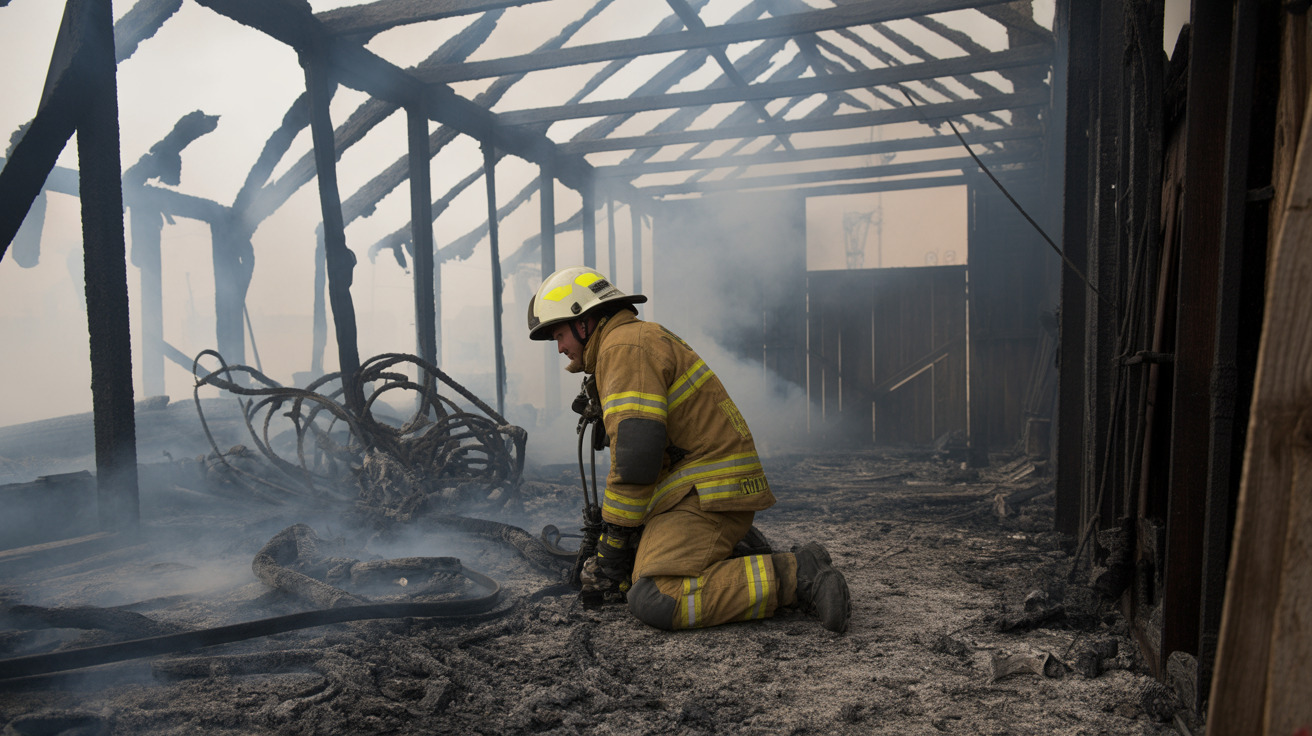
A devastating barn fire prevention tragedy unfolded in Bradley County, Tennessee on Thursday, claiming the lives of nine animals when flames engulfed a homeowner's barn structure. Fire officials confirmed the barn was completely destroyed in the blaze, highlighting the critical importance of fire safety measures for pet owners who use barns or outbuildings to house their animals.
This heartbreaking incident serves as a stark reminder that barn fires can occur suddenly and spread rapidly, often leaving little time for animal evacuation. For pet parents who keep dogs, cats, or other animals in barn structures, understanding fire risks and implementing comprehensive safety measures can mean the difference between tragedy and survival.
Understanding Rural Barn Fire Causes
Barn fires pose unique challenges in rural areas, where emergency response times may be longer and water sources limited. The Bradley County barn fire joins hundreds of similar incidents that occur annually across Tennessee and rural America, often with devastating consequences for both livestock and beloved pets.
Common causes of barn fires include electrical malfunctions, heat sources like space heaters, hay combustion, and lightning strikes. Older structures, particularly repurposed buildings like converted chicken houses, may lack modern electrical systems and adequate fire suppression equipment.
Electrical Barn Fire Risks and Prevention
Faulty wiring represents one of the leading causes of barn fires, especially in older agricultural buildings that may not meet current electrical codes. Pet owners housing animals in barns should have electrical systems inspected annually by qualified professionals.
Key electrical safety measures include installing ground fault circuit interrupter (GFCI) outlets, ensuring proper grounding of all electrical equipment, and avoiding extension cord use for permanent installations. Heat lamps, water heaters, and other electrical devices should be rated for agricultural use and properly maintained.
Essential Fire Safety Equipment for Barns
Every barn housing animals should be equipped with appropriate fire safety equipment. Fire extinguishers designed for multiple fire types should be strategically placed and regularly inspected. Class A extinguishers handle wood and paper fires, while Class C models address electrical fires.
While traditional smoke detectors may not be practical in dusty barn environments, heat detectors can provide early warning. Some rural properties benefit from monitored fire alarm systems that automatically contact emergency services.
Protecting Dogs and Cats in Barn Fire Situations
Pet owners using barns or repurposed chicken houses to shelter dogs and cats face unique evacuation challenges. Unlike livestock, cats may hide when frightened, while dogs might refuse to leave familiar surroundings during emergencies.
Developing a barn fire safety plan should include identifying all animal locations, creating multiple exit routes, and designating safe assembly areas away from structures. Pet carriers should be easily accessible, and animals should be familiar with being handled during stressful situations.
Animal Evacuation Barn Fire Strategies
Successful animal evacuation requires advance planning and regular practice. Pet owners should establish clear evacuation procedures, including assigning specific animals to family members and identifying temporary housing locations.
Emergency supply kits should include leashes, carriers, medications, and several days' worth of food and water. Contact information for veterinarians and temporary boarding facilities should be readily available.
Lightning Protection and Natural Hazards
Lightning strikes cause numerous barn fires annually, particularly in Tennessee's storm-prone climate. Installing lightning rods and surge protection devices can significantly reduce this risk. Grounding systems should be professionally installed and regularly inspected.
During severe weather, consider temporarily relocating animals to safer structures if possible. Never attempt to retrieve animals from burning buildings, as conditions can deteriorate rapidly.
Insurance Considerations After Barn Fires
The financial impact of barn fires extends beyond structural damage to include veterinary bills, animal replacement costs, and temporary housing expenses. Pet owners should review insurance coverage annually, ensuring policies adequately cover animals, structures, and liability concerns.
Documenting animal ownership through photographs, veterinary records, and registration papers helps streamline insurance claims following disasters.
Frequently Asked Questions
How can I prevent barn fires when housing dogs and cats in a repurposed chicken house?
Focus on electrical safety by having wiring professionally inspected, install appropriate fire extinguishers, maintain clear evacuation routes, and avoid storing combustible materials near animal areas. Regular maintenance and good housekeeping practices significantly reduce fire risks.
What should pet owners do to evacuate animals safely during a barn fire?
Develop and practice an evacuation plan that includes multiple exit routes, accessible carriers or leashes, and designated family member responsibilities. Never risk human safety attempting animal rescues from burning structures - contact emergency responders immediately.
Why are electrical issues a common cause of barn fires in rural areas?
Older agricultural buildings often have outdated electrical systems that weren't designed for modern demands. Dust, moisture, rodent damage, and inadequate wiring create fire hazards. Annual professional electrical inspections help identify and address these risks before they become dangerous.
The Bradley County barn fire tragedy underscores the vital importance of proactive fire safety measures for pet owners using agricultural structures. While we cannot prevent all accidents, proper preparation, equipment, and planning can help protect our beloved animals and provide peace of mind for their devoted caretakers.




