
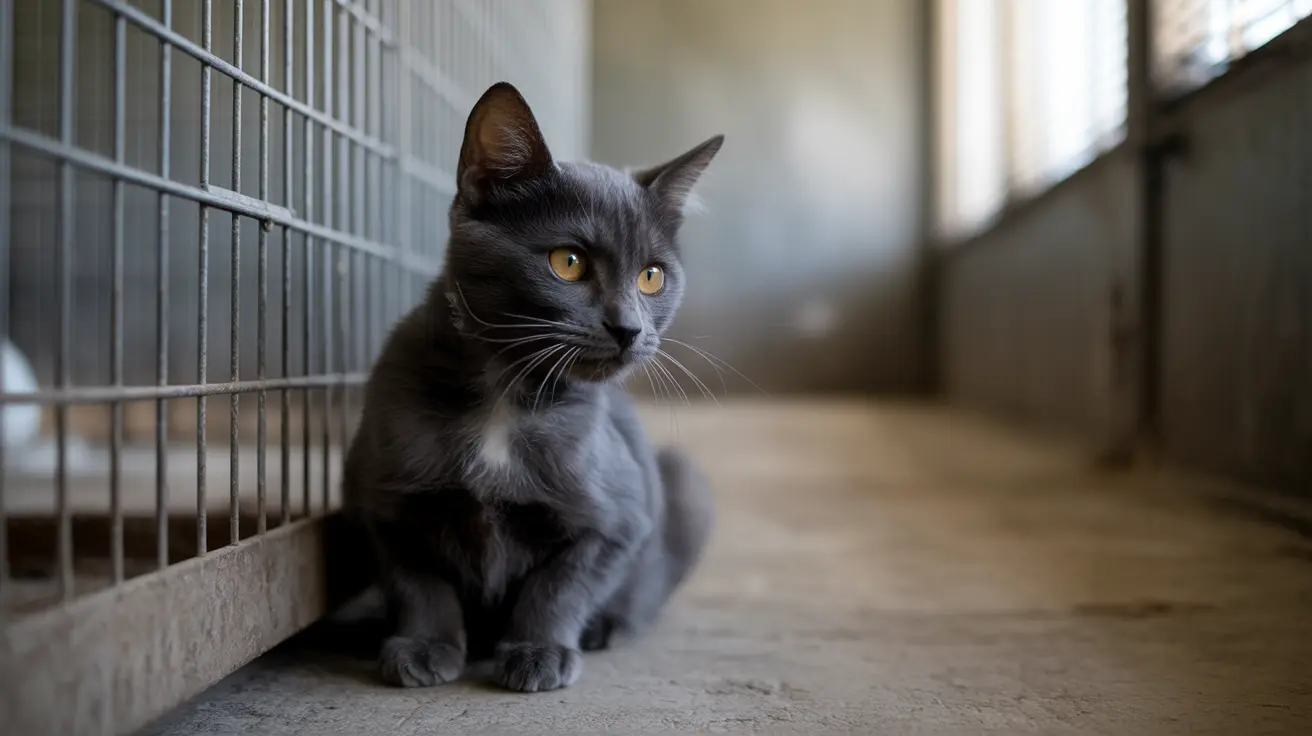
A shocking case of animal neglect has emerged in Erie County, New York, where an elderly couple is now facing more than 200 counts of animal cruelty charges following the seizure of 216 animals from their farm in Brant last fall. The case, involving Bonnie Donald George, highlights the serious legal consequences of failing to provide proper care for animals and serves as a crucial reminder for pet owners about their responsibilities.
The extensive charges against the Brant NY animal cruelty case include overdriving, torturing, and injuring animals, as well as failure to provide sustenance—serious offenses under New York state law that carry significant penalties. This case represents one of the largest animal seizures in recent Erie County history and underscores the importance of recognizing signs of animal neglect before situations reach such extreme levels.
Understanding the Scope of the SPCA Erie County Seizure
The seizure of 216 animals seized Brant represents a massive undertaking that required coordinated efforts from multiple agencies. When the SPCA Erie County investigations team responded to the farm, they encountered conditions that necessitated immediate intervention to protect the welfare of hundreds of animals.
Animal hoarding farm neglect cases like this one often develop gradually over time, making them particularly challenging to address. Rural properties can sometimes operate under less scrutiny, allowing problematic conditions to worsen before authorities become aware of the situation.
Recognizing Signs of Animal Neglect on Farms and Properties
Pet owners and community members should be aware of key indicators that may signal animal welfare concerns. Signs of animal neglect include inadequate shelter, lack of access to clean water, insufficient or contaminated food sources, overcrowded living conditions, and animals showing visible signs of poor health or distress.
On rural properties and farms, additional warning signs may include:
- Accumulation of animal waste without proper disposal
- Strong odors emanating from the property
- Animals appearing malnourished or showing behavioral distress
- Lack of veterinary care evidenced by untreated injuries or illness
- Inadequate fencing or containment leading to safety risks
Legal Consequences: Understanding New York Animal Cruelty Charges
The charges in this case highlight the serious legal framework surrounding animal welfare in New York. Overdriving torturing animals law encompasses various forms of mistreatment, while failure to provide sustenance animals specifically addresses the basic necessities required for animal care.
New York animal cruelty charges can result in both criminal and civil penalties, including fines, imprisonment, and lifetime bans on animal ownership. The severity of consequences often reflects the scale of neglect and the number of animals affected, as demonstrated by the extensive charges in this Brant case.
Reporting Animal Abuse NY: How Communities Can Help
Reporting animal abuse NY requires knowing the appropriate channels and understanding when intervention is necessary. The SPCA and local animal control agencies rely on community members to report suspected cases of neglect or abuse.
If you suspect animal welfare concerns, document observations with dates and specific details, contact local authorities or animal welfare organizations, and avoid attempting to intervene directly in potentially dangerous situations. Early reporting can prevent situations from escalating to the severe conditions found in rural farm hoarding cases like the one in Brant.
Prevention and Community Responsibility
Farm animal rescue Brant cases remind us that animal welfare is a community responsibility. Property owners must understand their legal obligations regarding animal care, while neighbors and community members play crucial roles in identifying and reporting concerns.
Regular veterinary care, adequate nutrition, proper shelter, and humane treatment form the foundation of responsible animal ownership. When these basic requirements are not met, the consequences can be severe for both animals and their caretakers.
Frequently Asked Questions
What happened in the Brant New York animal cruelty case with the elderly couple and 216 seized animals?
An elderly couple in Brant, New York, faces over 200 counts of animal cruelty charges after authorities seized 216 animals from their farm last fall. The charges include overdriving, torturing, and injuring animals, as well as failure to provide sustenance, following an investigation by the SPCA Erie County.
How can I report suspected animal neglect or hoarding on a farm near me in New York?
Contact your local SPCA chapter, animal control agency, or law enforcement to report suspected animal neglect. Provide specific details about what you've observed, including dates, locations, and the condition of animals. The SPCA Erie County and similar organizations investigate such reports and can take appropriate action.
What are the signs of animal neglect that pet owners should watch for?
Key signs include lack of adequate food, water, or shelter; overcrowded conditions; animals showing signs of poor health or distress; accumulation of waste; strong odors; and visible injuries or illness without proper veterinary care. On farms, additional concerns may include inadequate fencing and unsafe living conditions.
Moving Forward: Lessons for Pet Owners
The Brant animal cruelty case serves as a sobering reminder of the legal and ethical responsibilities that come with animal ownership. Whether caring for a single pet or managing a farm with multiple animals, owners must provide basic necessities and humane treatment.
This case also demonstrates the importance of community vigilance and the role of organizations like the SPCA in protecting animal welfare. By understanding the signs of neglect and knowing how to report concerns, we can all contribute to preventing such tragic situations and ensuring better outcomes for animals in our communities.




