
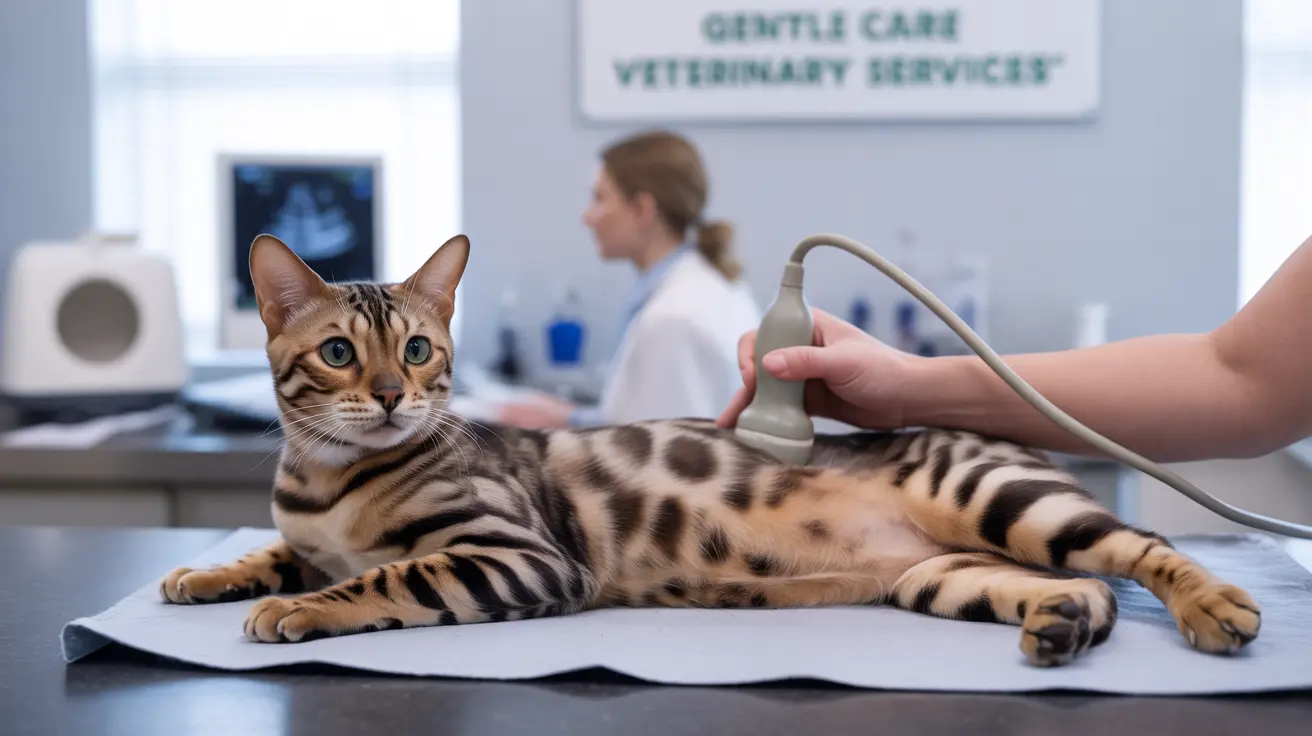
Owners often notice subtle signs before the condition becomes critical. A cat may begin vomiting repeatedly, refuse food, or strain in the litter box without producing stool. Some cats show signs of abdominal pain, such as hunching, restlessness, or vocalizing when touched. Because these symptoms can mimic other digestive issues, it’s easy to underestimate their severity. However, any combination of persistent vomiting, lethargy, and lack of appetite should prompt an immediate veterinary visit. The sooner the blockage is identified, the better the chances of a full recovery.
Understanding the seriousness of intestinal blockages helps owners act quickly and avoid delays that could endanger their cat’s life. In the next section, we’ll explore the common causes and risk factors that lead to these dangerous obstructions.
Common Causes and Risk Factors
Several factors can lead to intestinal blockages in cats, ranging from accidental ingestion of foreign objects to underlying medical conditions. Young and playful cats are especially prone to swallowing non-food items such as string, rubber bands, or small toys. These materials can twist or bunch up inside the intestines, creating a physical barrier. Long-haired breeds are also at risk due to frequent grooming, which can lead to large hairballs that the digestive system cannot pass naturally. In older cats, tumors or intestinal inflammation may narrow the digestive tract and cause partial or complete obstruction.
Dietary habits also play a role. Cats that eat too quickly or consume bones, gristle, or indigestible materials from human food are more likely to experience digestive blockages. Additionally, stress, dehydration, and lack of fiber can slow intestinal movement, increasing the risk of impaction. Certain medical conditions, such as inflammatory bowel disease or intestinal parasites, can further complicate digestion and make blockages more likely. Recognizing these risk factors allows owners to take preventive measures, such as providing safe toys, regular grooming, and balanced nutrition.
Because prevention is always easier than treatment, understanding what causes blockages helps cat owners create a safer environment. The following section outlines the typical progression and timeline of an intestinal blockage, from early symptoms to potential outcomes if left untreated.
The Timeline of a Cat Intestinal Blockage
The progression of an intestinal blockage in cats can be rapid and devastating. According to veterinary data, the condition can become life-threatening within 24 to 72 hours if not treated. The first stage typically begins within a few hours of ingestion, when the cat starts to vomit or lose interest in food. During this early phase, the blockage may still be partial, allowing some material to pass through. However, as swelling and gas build up, the obstruction worsens, and the cat’s condition deteriorates quickly.
Within 24 hours, dehydration and electrolyte imbalances begin to set in. The cat may appear weak, hide from interaction, or show signs of abdominal tenderness. By 48 hours, toxins start accumulating in the bloodstream, leading to systemic illness. If the blockage remains unresolved beyond 72 hours, the intestinal tissue can die due to lack of blood flow, resulting in perforation and severe infection. At this stage, emergency surgery is the only option, and even with treatment, recovery becomes more complicated.
Understanding this timeline emphasizes why prompt veterinary care is essential. Even if symptoms seem mild, waiting to see if they improve can be dangerous. In the next section, we’ll discuss how veterinarians diagnose and treat intestinal blockages to restore a cat’s health.
Diagnosis and Treatment Options
When a cat presents with symptoms of a possible blockage, veterinarians begin with a thorough physical examination and medical history. They may palpate the abdomen to detect masses or areas of discomfort. Diagnostic imaging, such as X-rays or ultrasound, is often used to confirm the presence and location of the obstruction. In some cases, blood tests are performed to assess dehydration, infection, and organ function. These diagnostic steps help determine whether the blockage can be managed medically or requires surgical intervention.
Treatment depends on the severity and cause of the obstruction. For minor cases, such as small hairballs or partial blockages, veterinarians may use fluids, laxatives, or medications to help the material pass naturally. However, complete blockages or those caused by foreign objects usually require surgery. During the procedure, the veterinarian removes the obstruction and repairs any damaged tissue. Post-surgery, the cat is monitored closely for signs of infection, leakage, or recurrence. Recovery typically involves several days of hospitalization followed by a gradual reintroduction of food and activity at home.
- Diagnostic imaging (X-rays or ultrasound) to locate the blockage
- Blood tests to evaluate hydration and organ function
- Fluid therapy to correct dehydration and electrolyte imbalance
- Surgical removal of the obstruction when necessary
- Postoperative monitoring and gradual dietary reintroduction
With proper treatment, most cats recover well, though the recovery timeline varies depending on the severity of the blockage and the cat’s overall health. The next section explores what owners can expect during recovery and how to prevent future incidents.
Recovery and Long-Term Prevention
After treatment, recovery from an intestinal blockage requires careful management. Cats that undergo surgery often need several weeks to fully heal. During this time, veterinarians typically recommend a bland, easily digestible diet and restricted activity to prevent strain on the healing intestines. Owners should monitor their cat’s appetite, stool consistency, and energy levels daily. Any signs of vomiting, lethargy, or abdominal swelling should be reported immediately, as they may indicate complications such as infection or recurrence.
Long-term prevention focuses on minimizing the risk factors that lead to blockages. Regular grooming helps reduce hairball formation, especially in long-haired breeds. Providing safe toys and keeping small objects out of reach can prevent accidental ingestion. A balanced diet rich in fiber supports healthy digestion and reduces the likelihood of constipation or impaction. Hydration is equally important—cats that drink plenty of water are less prone to digestive issues. Routine veterinary checkups also play a key role in catching early signs of gastrointestinal problems before they escalate.
- Brush long-haired cats frequently to reduce hair ingestion
- Offer safe, size-appropriate toys and avoid string or ribbon play
- Feed a high-quality diet with adequate fiber and moisture
- Encourage hydration through water fountains or wet food
- Schedule regular veterinary exams for early detection
By combining attentive care with preventive habits, cat owners can significantly reduce the risk of future blockages. The final section summarizes the key takeaways and reinforces the importance of timely veterinary intervention.
Cat intestinal blockages are serious but treatable conditions when recognized early. Understanding the symptoms, causes, and progression timeline empowers owners to act quickly and seek veterinary help before complications arise. Prompt diagnosis and appropriate treatment—whether medical or surgical—can save a cat’s life and ensure a smoother recovery. Preventive care, including proper grooming, safe play, and balanced nutrition, remains the best defense against recurrence. By staying vigilant and informed, cat owners can protect their pets from the dangers of intestinal obstruction and promote long-term digestive health.
FAQ
What are the first signs of an intestinal blockage in cats?
The earliest signs often include repeated vomiting, loss of appetite, and lethargy. Some cats may strain in the litter box or produce very little stool. You might also notice restlessness, drooling, or signs of abdominal discomfort when touched. Because these symptoms can resemble other digestive issues, it’s important to seek veterinary evaluation as soon as they appear. Early intervention can prevent the blockage from worsening and improve the chances of a full recovery.
How quickly can a blockage become life-threatening?
An intestinal blockage can become critical within 24 to 72 hours. As the obstruction prevents food and waste from passing, toxins build up in the bloodstream, leading to dehydration and systemic illness. If left untreated, the intestinal tissue can die, causing perforation and infection. This rapid progression makes immediate veterinary care essential whenever a blockage is suspected.
Can a cat pass a blockage naturally?
In some mild cases, such as small hairballs or partial obstructions, a cat may pass the blockage naturally with the help of fluids or medication prescribed by a veterinarian. However, complete blockages or those caused by foreign objects rarely resolve on their own. Attempting to wait it out can be dangerous, as the condition may deteriorate quickly. Always consult a veterinarian before assuming the blockage will pass naturally.
What diagnostic tests are used to confirm a blockage?
Veterinarians typically use a combination of physical examination, X-rays, and ultrasound imaging to locate and assess the blockage. Blood tests may also be performed to evaluate dehydration, infection, and organ function. These diagnostics help determine whether the obstruction can be managed medically or requires surgical removal. Accurate diagnosis ensures the most effective treatment plan for the cat’s condition.
What does surgery for an intestinal blockage involve?
Surgery, known as an enterotomy or intestinal resection, involves opening the abdomen to locate and remove the obstruction. If part of the intestine is damaged, the veterinarian may remove the affected section and reconnect the healthy ends. The cat is then monitored closely during recovery to prevent infection or leakage. Postoperative care includes fluid therapy, pain management, and a gradual return to normal feeding.
How long does recovery take after surgery?
Recovery time varies depending on the severity of the blockage and the cat’s overall health. Most cats stay in the hospital for several days after surgery for observation and fluid therapy. Once home, they may need two to four weeks of restricted activity and a special diet. Close monitoring during this period helps ensure proper healing and reduces the risk of complications.
Can intestinal blockages recur?
Yes, recurrence is possible, especially if the underlying cause—such as hairballs, dietary habits, or access to foreign objects—is not addressed. Preventive measures like regular grooming, providing safe toys, and maintaining a balanced diet can significantly lower the risk. Routine veterinary checkups also help detect early signs of digestive issues before they lead to another blockage.
Are certain cats more prone to blockages?
Long-haired breeds, kittens, and highly curious cats are more susceptible. Long-haired cats often develop hairballs, while young cats tend to chew and swallow non-food items. Cats with chronic digestive conditions, such as inflammatory bowel disease, are also at higher risk. Understanding your cat’s specific vulnerabilities allows you to take targeted preventive steps to keep them safe.
What should I feed my cat after recovering from a blockage?
After recovery, veterinarians usually recommend a bland, easily digestible diet to support intestinal healing. Gradually reintroduce regular food over several days, following your vet’s guidance. Wet food or diets high in moisture can help maintain hydration and promote smoother digestion. Avoid giving bones, fatty scraps, or indigestible materials that could trigger another blockage.
When should I call the vet during recovery?
Contact your veterinarian immediately if your cat vomits, refuses food, appears lethargic, or shows signs of abdominal swelling or pain. These symptoms may indicate complications such as infection or recurrence. Even subtle changes in behavior or appetite during recovery warrant professional advice to ensure your cat’s continued health and comfort.




