
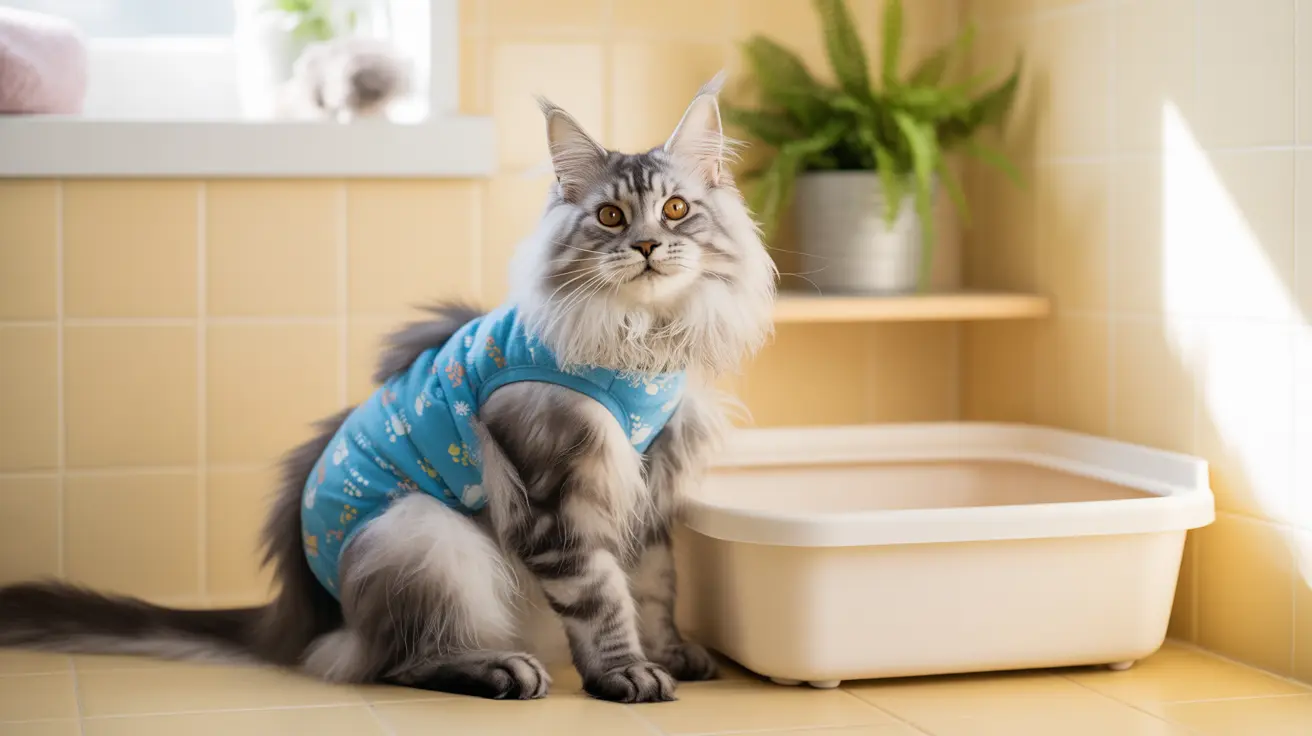
Understanding Feline Fecal Incontinence
Fecal incontinence in cats is characterized by the involuntary passage of stool, often without the cat's awareness. This condition differs from behavioral litter box issues and typically indicates an underlying medical problem that requires veterinary attention.
Common Causes of Fecal Incontinence
Medical Conditions
Several medical conditions can lead to a cat leaking poop, including:
- Inflammatory bowel disease (IBD)
- Gastrointestinal infections
- Chronic diarrhea
- Megacolon
- Diabetes
Neurological Issues
Nerve-related problems often contribute to fecal incontinence:
- Spinal cord injuries
- Intervertebral disc disease
- Nerve damage
- Brain tumors
Age-Related Factors
Senior cats may experience incontinence due to:
- Muscle weakness
- Cognitive dysfunction
- Arthritis affecting mobility
- Weakened anal sphincter
Signs and Symptoms
Watch for these common indicators of fecal incontinence:
- Involuntary stool leakage
- Soiled fur around the rear end
- Stool dropping while walking or sleeping
- Difficulty controlling bowel movements
- Skin irritation around the anal area
Diagnosis and Treatment Options
Your veterinarian will likely perform several tests to determine the underlying cause:
- Physical examination
- Neurological assessment
- Blood work
- Imaging studies (X-rays, MRI)
- Stool analysis
Treatment Approaches
Treatment varies based on the underlying cause but may include:
- Medication for underlying conditions
- Dietary modifications
- Surgery in specific cases
- Physical therapy
- Environmental modifications
Managing Fecal Incontinence at Home
These practical steps can help manage your cat's condition:
- Keep the rear end clean and dry
- Use pet diapers when necessary
- Provide easily accessible litter boxes
- Maintain a consistent feeding schedule
- Regular veterinary check-ups
Frequently Asked Questions
Why is my cat leaking poop all the time, and what are the common causes?
Cats may leak poop due to various conditions including neurological issues, gastrointestinal disorders, muscle weakness, or age-related problems. Common causes include spinal injuries, inflammatory bowel disease, and nerve damage.
How can I diagnose fecal incontinence in my cat, and what tests are typically needed?
Diagnosis requires a veterinary examination, which may include physical and neurological assessments, blood work, imaging studies, and stool analysis to determine the underlying cause.
What are some effective treatments for a cat with fecal incontinence, and how can I manage it at home?
Treatment depends on the cause but may include medication, dietary changes, and surgery. At home, maintain good hygiene, use pet diapers if needed, and provide easy access to litter boxes.
How can I prevent or reduce the likelihood of my cat experiencing fecal incontinence?
While not all causes are preventable, regular veterinary check-ups, maintaining a healthy diet, and preventing injuries can help reduce the risk of fecal incontinence.
What are the signs that my cat's fecal incontinence requires immediate veterinary attention?
Seek immediate veterinary care if you notice sudden onset of incontinence, blood in the stool, signs of pain, significant behavioral changes, or if the condition is accompanied by other concerning symptoms.




