
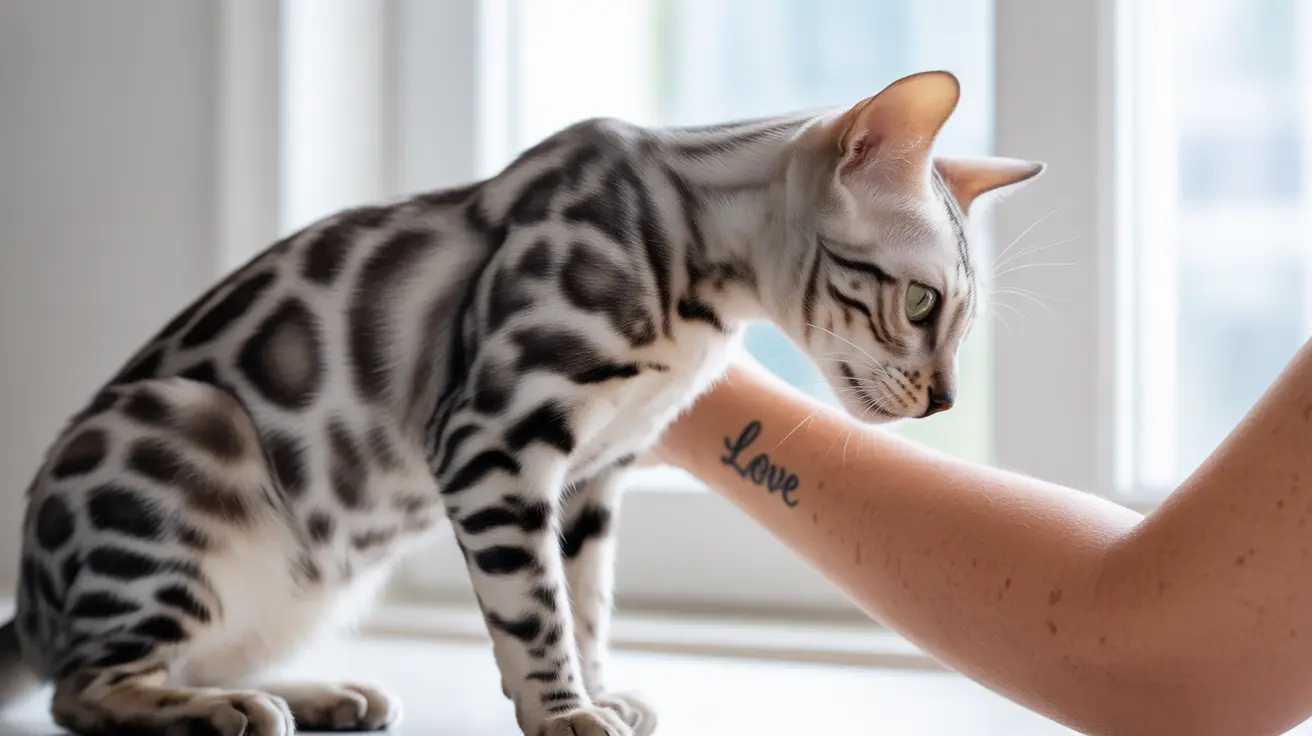
For centuries, cats have been admired for their mysterious behavior and sharp instincts. Beyond their graceful movements and independent nature, many cat owners have reported astonishing experiences in which their feline companions seemed to detect illness before any medical diagnosis was made.Among the most intriguing claims is that cats can smell cancer. While this idea may sound like folklore, recent scientific studies and anecdotal evidence suggest that there could be more truth to it than once believed.
Understanding how cats might detect cancer requires exploring their extraordinary sense of smell and their sensitivity to subtle changes in human behavior and body chemistry. Cats possess up to 200 million odor-sensitive cells in their noses—far more than humans, though fewer than dogs. This heightened olfactory ability allows them to perceive chemical changes that occur in the body when disease develops. As researchers continue to study this phenomenon, the potential for cats to assist in early cancer detection is becoming an increasingly serious topic of discussion.
These discoveries not only deepen our appreciation for feline intelligence but also open new possibilities for medical research. If cats can indeed identify cancer-related odors, they could one day contribute to noninvasive screening methods or alert owners to seek medical attention sooner. This section sets the stage for examining how cats’ senses work, what scientific evidence supports these claims, and how their behavior might reveal hidden health issues.
How Cats’ Senses Work: The Science of Smell and Perception
Cats rely heavily on their sense of smell to interpret the world around them. Their noses contain a specialized organ called the Jacobson’s organ, or vomeronasal organ, which detects pheromones and other chemical cues that are invisible to humans. This organ allows cats to pick up on subtle scent changes that might indicate stress, hormonal shifts, or illness in both animals and humans. When a person develops cancer, their body chemistry changes, releasing volatile organic compounds (VOCs) that can alter their natural scent profile.
While dogs have been more widely studied for their ability to detect cancer through smell, cats may possess similar capabilities. Researchers at several veterinary and medical institutions have begun exploring whether cats can identify these VOCs. Early findings suggest that cats can indeed notice when something is different about their owner’s scent, even if they cannot consciously understand what it means. This sensory awareness may explain why some cats become unusually attentive, clingy, or even avoidant when their owner is ill.
In addition to smell, cats are highly attuned to behavioral and physiological cues. They can sense changes in body temperature, breathing patterns, and emotional states. When combined with their olfactory sensitivity, these perceptions create a holistic awareness that allows them to detect subtle shifts in their environment. This may be why cats sometimes rest on or paw at a specific area of their owner’s body that later turns out to be affected by disease.
Scientific Evidence and Real-Life Cases
Although the idea of cats detecting cancer is still under investigation, several documented cases have sparked scientific curiosity. One well-known example involves a cat named Oscar, who lived in a nursing home and reportedly predicted the deaths of more than fifty residents by curling up beside them in their final hours. While Oscar’s behavior may have been linked to changes in scent or body chemistry associated with terminal illness, it raised important questions about feline perception and empathy.
Recent research published in veterinary journals and health news outlets, including PetsCare.com, has examined how cats respond to cancer-related odors. Scientists have found that certain cancers produce unique chemical markers that can be detected through smell. These markers are present in sweat, urine, and breath, and animals with sensitive noses can pick up on them long before humans notice any symptoms. Although most studies have focused on dogs, preliminary cat studies show promising parallels.
In addition to scientific studies, countless anecdotal reports describe cats acting differently around owners who were later diagnosed with cancer. Some cats repeatedly sniffed or pawed at a specific area, such as the chest or abdomen, prompting their owners to seek medical advice. While these stories are not definitive proof, they highlight the potential for cats to serve as early warning systems for serious health conditions.
- Several cancers, including lung, breast, and skin cancers, emit distinct volatile compounds detectable by animals.
- Feline olfactory cells are highly sensitive to chemical variations in human scent caused by metabolic changes.
- Behavioral shifts in cats—such as increased attention, agitation, or avoidance—can sometimes coincide with an owner’s illness.
- Controlled studies are ongoing to determine whether cats can be trained to identify cancer-related odors reliably.
These findings suggest that while cats may not consciously diagnose cancer, their reactions to scent changes could provide valuable clues. Continued research could one day lead to new diagnostic tools inspired by feline sensory abilities.
Behavioral Signs That Your Cat Might Sense Something Is Wrong
Many cat owners notice behavioral changes long before any medical diagnosis is made. Cats that sense illness often act differently, displaying unusual affection or avoidance. They may insist on sitting near a particular body part, meow persistently, or follow their owner more closely than usual. Some cats even become protective, positioning themselves between their owner and others, as if guarding them. These behaviors, while not definitive proof of disease detection, can serve as subtle indicators that something in the household dynamic has changed.
It’s important to interpret these signs carefully. Cats are sensitive to emotional and environmental shifts, so stress, anxiety, or changes in routine can also trigger similar behaviors. However, when a cat’s unusual actions persist or focus on a specific area of the body, it may be worth paying closer attention. Owners who notice consistent patterns should consider scheduling a medical checkup—not because the cat “knows” there is cancer, but because their instincts might be responding to real physiological changes.
Veterinarians recommend observing both the frequency and context of these behaviors. Keeping a simple log of when and how your cat acts differently can help identify patterns. If your cat’s behavior coincides with fatigue, unexplained pain, or other symptoms, it’s wise to consult a healthcare professional. Cats may not replace medical diagnostics, but their sensitivity can complement human awareness and encourage proactive health care.
Potential Medical Applications and Future Research
The possibility that cats can detect cancer has inspired researchers to explore how animal-assisted diagnostics could enhance early detection. While dogs have already been trained to identify certain cancers through scent, cats present a unique challenge due to their independent nature. However, their keen senses and close relationships with humans make them promising candidates for further study. Scientists are now investigating whether cats can be conditioned to recognize specific cancer-related odors in controlled environments.
Future research may focus on isolating the exact chemical compounds that cats respond to. By identifying these markers, scientists could develop electronic “noses” that mimic feline olfactory sensitivity. Such technology could revolutionize cancer screening by providing noninvasive, cost-effective diagnostic tools. Additionally, understanding how cats perceive illness could improve veterinary care, helping professionals detect diseases in both humans and animals more efficiently.
- Developing training protocols for cats to identify specific scent markers.
- Analyzing volatile organic compounds associated with different cancer types.
- Creating artificial sensors modeled after feline olfactory receptors.
- Studying behavioral responses in domestic cats to controlled scent exposure.
As research progresses, the bond between humans and cats may take on new significance—not just as companionship but as a partnership in health awareness. The next generation of studies could transform anecdotal observations into measurable scientific evidence.
The Mystery and Promise of Feline Intuition
While definitive proof that cats can smell cancer remains elusive, the growing body of evidence suggests that their extraordinary senses allow them to detect subtle changes in human physiology. Whether through scent, behavior, or emotional attunement, cats often notice what humans overlook. Their reactions can serve as gentle reminders to pay attention to our health and seek medical advice when something feels off. Even if science ultimately finds limits to feline detection, the emotional support and companionship cats provide remain invaluable.
As researchers continue to explore this fascinating intersection of biology and behavior, one thing is clear: our feline friends are far more perceptive than we once imagined. Their mysterious instincts may one day contribute to breakthroughs in medical science, deepening our understanding of both human health and the remarkable creatures who share our homes.
FAQ
Can cats really detect cancer through smell?
While there is no conclusive scientific proof yet, growing evidence suggests that cats can detect changes in human scent caused by cancer. Cancer cells release volatile organic compounds that alter body odor, and cats’ sensitive noses may pick up on these changes. Some owners have reported that their cats behaved unusually before a cancer diagnosis, often focusing on a specific area of the body. Although these observations are anecdotal, they align with research showing that animals can detect disease-related chemical markers. More controlled studies are needed to confirm how accurately cats can identify these scents.
How is a cat’s sense of smell different from a human’s?
Cats have an olfactory system that is far more advanced than ours. Humans possess about five million scent receptors, while cats have up to 200 million. They also have a vomeronasal organ that detects pheromones and other chemical cues. This combination allows them to perceive subtle scent variations that humans cannot detect. These capabilities help cats navigate their environment, identify other animals, and potentially sense illness in humans. Their heightened sense of smell is one reason they are so responsive to changes in household scents or human body chemistry.
Are there documented cases of cats detecting illness?
Yes, several cases have been reported where cats appeared to sense illness before diagnosis. One famous example is Oscar, a nursing home cat known for predicting patients’ deaths by lying beside them in their final hours. While Oscar’s behavior may have been linked to changes in scent or body chemistry, it sparked interest in studying feline perception. Other anecdotal reports describe cats persistently sniffing or pawing at areas later found to have tumors. Though these stories are not scientific proof, they highlight the potential for cats to detect physiological changes associated with disease.
Can cats be trained to detect cancer like dogs?
Training cats to detect cancer is more challenging than training dogs because cats are less motivated by commands and rewards. However, researchers are exploring methods to condition cats to recognize specific cancer-related odors. Early experiments suggest that with patience and proper reinforcement, cats can learn to associate certain scents with rewards. If successful, this could open new avenues for using cats in medical detection programs. Still, large-scale training and testing would be required to determine reliability and consistency before such methods could be applied clinically.
What types of cancer might cats be able to detect?
Studies on animals suggest that certain cancers produce distinct volatile compounds detectable through smell. These include lung, breast, skin, and colorectal cancers. While most research has focused on dogs, cats may respond to similar scent markers. Anecdotal evidence indicates that cats often react to cancers that significantly alter body chemistry or produce noticeable odors. However, there is no definitive list of cancers that cats can detect, and more research is needed to identify which types produce the strongest olfactory signals.
Why do some cats act differently when their owners are sick?
Cats are highly sensitive to changes in their environment and in the people they live with. When an owner becomes ill, their scent, body temperature, and behavior may change subtly. Cats notice these differences and may respond with increased affection, vigilance, or avoidance. They might also pick up on emotional cues such as stress or fatigue. These behavioral changes are not necessarily conscious attempts to help but rather instinctive reactions to altered sensory input. Paying attention to these shifts can sometimes alert owners to underlying health issues.
Is it safe to rely on a cat’s behavior as a health warning?
While cats can sometimes alert owners to changes in health, their behavior should never replace medical evaluation. A cat’s unusual actions could be triggered by many factors, including stress, environmental changes, or other illnesses in the household. However, if a cat persistently focuses on a specific area of your body or acts unusually concerned, it may be worth consulting a doctor. Cats can serve as early indicators of change, but only medical professionals can confirm or diagnose disease. Treat their behavior as a prompt for awareness, not a diagnostic tool.
How can I tell if my cat senses something unusual about me?
If your cat suddenly becomes more attentive, follows you constantly, or fixates on a particular part of your body, it may be responding to a change in your scent or behavior. Keep track of these patterns and note whether they persist. If your cat’s behavior coincides with physical symptoms such as fatigue, pain, or weight loss, consider scheduling a medical checkup. Even if the cause is unrelated to illness, observing your cat’s reactions can help you stay mindful of your health and strengthen your bond with your pet.
What does current research say about cats and disease detection?
Current research is still in its early stages, but scientists are increasingly interested in feline sensory abilities. Studies have confirmed that animals can detect volatile organic compounds associated with disease, and cats’ olfactory systems are capable of similar detection. Researchers are now working to identify which compounds trigger feline responses and whether cats can be trained to recognize them consistently. The ultimate goal is to translate these findings into practical medical applications, such as developing artificial sensors modeled after feline olfactory receptors.
Could this research lead to new medical technology?
Yes, understanding how cats detect illness could inspire new diagnostic tools. Scientists are already developing electronic “noses” that mimic animal olfactory systems. By studying how cats respond to specific chemical markers, researchers hope to design devices capable of detecting cancer at early stages. These noninvasive technologies could complement traditional screening methods and make early detection more accessible. In this way, the natural abilities of cats might one day contribute to significant advances in human healthcare and disease prevention.




