
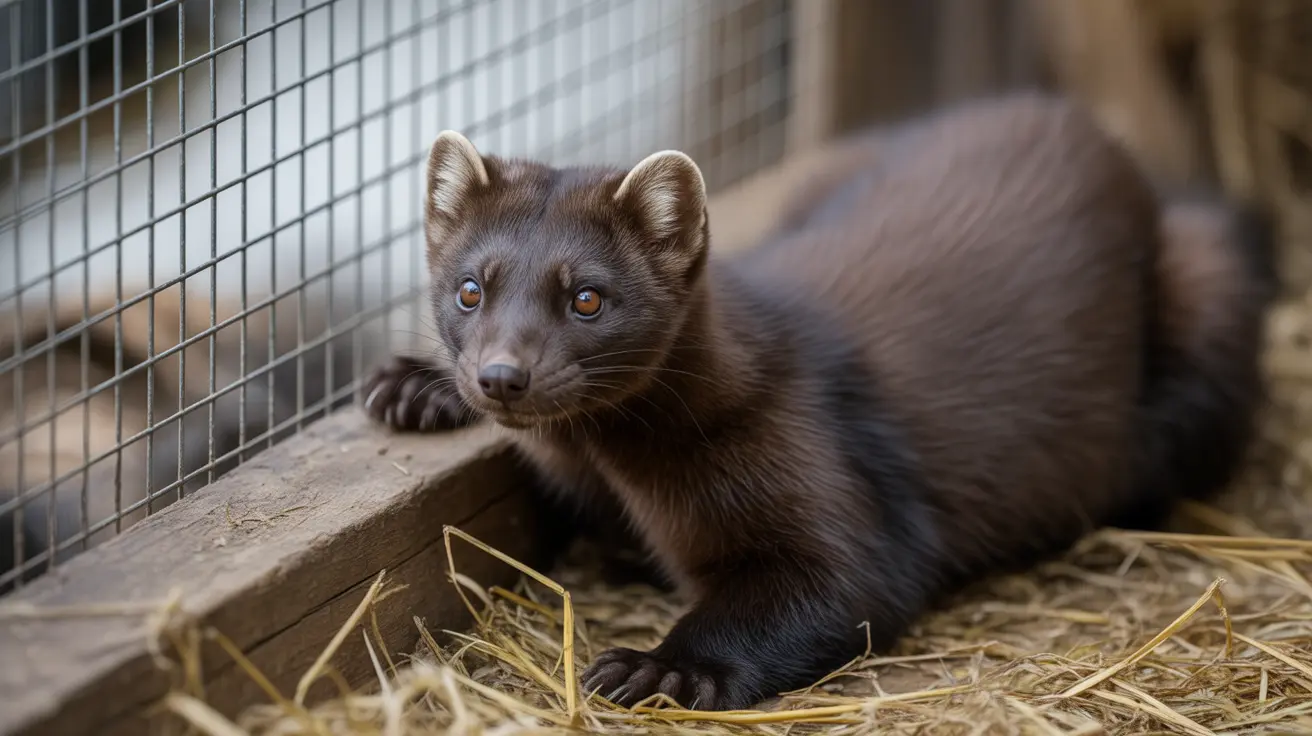
Nearly a year has passed since Alaska state troopers and wildlife regulators conducted a raid on Steve Kroschel's Chilkat Valley wildlife facility, yet the fate of approximately 20 animals left behind remains unresolved. This ongoing case has raised significant concerns among animal welfare advocates and highlights the complex challenges that arise when wildlife facilities are abandoned following legal intervention.
The situation began ten months ago when state authorities raided the Chilkat Valley wildlife facility, prompting owner Steve Kroschel to subsequently leave for Russia. The animals that remained at the facility have been in a state of legal limbo ever since, with no clear resolution in sight for their future care and placement.
Background of the Alaska Wildlife Facility Raid
The raid on Kroschel's wildlife center was conducted by Alaska state troopers working in conjunction with wildlife regulators, though specific details about the circumstances that led to the intervention remain limited in public records. Steve Kroschel, who operated the facility, departed for Russia following the state's action, leaving behind a complex situation involving the care and custody of the remaining animals.
Wildlife facilities across Alaska must operate under strict regulations designed to ensure proper animal care, safety protocols, and legal compliance. When facilities face regulatory challenges, the welfare of the animals housed there often becomes the primary concern for authorities and animal welfare organizations.
Current Status of Animals Left Behind
The 20 animals that remain at the Chilkat Valley wildlife facility represent a significant ongoing responsibility that has yet to be fully addressed. These animals require daily care, appropriate housing, veterinary attention, and long-term placement solutions. The extended timeline of this case underscores the complexity involved in resolving wildlife facility closures and the challenges faced by regulatory agencies in such situations.
For pet owners and animal enthusiasts following this case, it serves as a reminder of the importance of proper planning and legal compliance when operating any type of animal care facility. Wildlife rehabilitation centers and similar facilities must maintain current permits, follow established protocols, and have contingency plans in place for various scenarios.
Wildlife Facility Abandonment Challenges
When wildlife facilities face legal issues or abandonment, several critical factors must be addressed immediately. Animal welfare becomes the top priority, requiring emergency care protocols, temporary housing arrangements, and coordination between multiple agencies. The process of relocating animals from such facilities involves careful planning, proper transportation, and identification of suitable long-term homes or sanctuaries.
Pet owners can learn from these situations by understanding the importance of having emergency plans for their own animals, maintaining proper documentation, and ensuring that care arrangements are in place should unexpected circumstances arise.
Legal and Regulatory Implications
The unresolved nature of this case after nearly a year indicates the complex legal and regulatory framework surrounding wildlife facility operations in Alaska. Alaska Fish and Game, along with other state agencies, must navigate various laws and regulations while ensuring animal welfare remains protected throughout any legal proceedings.
Such cases often involve multiple stakeholders, including state wildlife agencies, law enforcement, animal welfare organizations, and sometimes federal authorities, depending on the species involved and the nature of any violations discovered during investigations.
Impact on Animal Welfare Community
This ongoing situation has drawn attention from animal welfare advocates who emphasize the need for swift resolution in cases involving animal care facilities. The extended timeline raises questions about resource allocation, temporary care arrangements, and the processes in place for handling similar situations in the future.
For those involved in animal rescue or wildlife rehabilitation, this case highlights the importance of having clear protocols and adequate resources to handle facility closures and animal relocations efficiently.
Frequently Asked Questions
What happened during the raid on Steve Kroschel's Chilkat Valley wildlife facility?
Alaska state troopers and wildlife regulators conducted a raid on the Chilkat Valley wildlife facility operated by Steve Kroschel. Following the raid, Kroschel left for Russia, leaving approximately 20 animals at the facility. The specific circumstances that led to the raid have not been fully detailed in available public information.
What is the current status of the 20 animals abandoned at the Chilkat Valley wildlife center?
Nearly a year after the raid, the fate of the 20 animals remains unresolved. The animals are still associated with the facility, and their long-term care and placement arrangements have not been finalized, creating an ongoing animal welfare concern that authorities are still working to address.
Who is Steve Kroschel and why did he leave for Russia after the facility raid?
Steve Kroschel was the owner and operator of the Chilkat Valley wildlife facility that was raided by state authorities. Following the raid, he departed for Russia, though the specific reasons for his departure and the timeline of his exit from Alaska have not been detailed in available reports.
Conclusion
The ongoing situation at the Chilkat Valley wildlife facility serves as a complex case study in wildlife regulation, animal welfare, and the challenges that arise when facilities face legal intervention. As this case continues to develop, it underscores the importance of proper planning, regulatory compliance, and swift action to protect animal welfare in similar situations.
Pet owners and animal welfare advocates can use this case as a learning opportunity about the importance of proper facility management, emergency planning, and the complex regulatory landscape surrounding animal care operations.




