
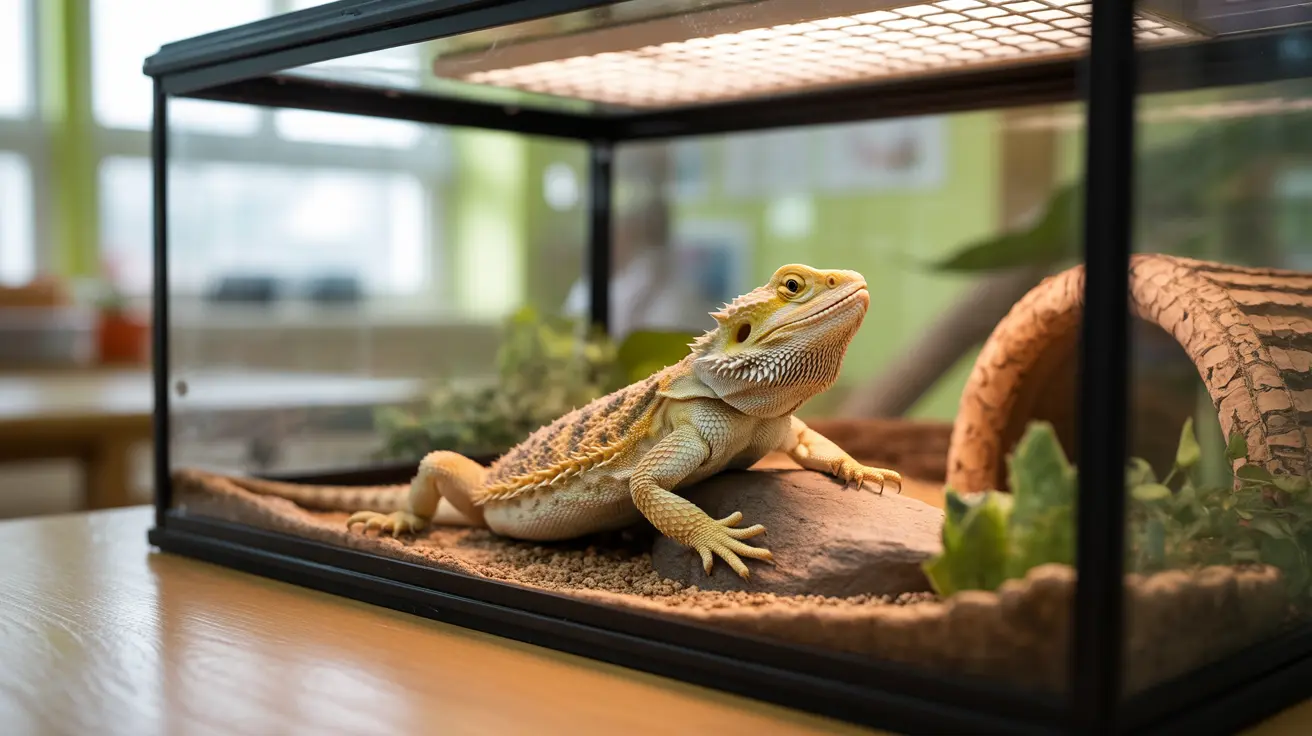
A Connecticut school district recently found itself creating new guidelines for classroom pets after an incident involving three bearded dragons and a hermit crab prompted administrators to establish clear protocols. The superintendent emphasized that the new classroom pet policy was never intended to ban animals from educational settings, but rather to ensure proper care and safety standards for both students and animals.
This development highlights the growing need for schools nationwide to balance the educational benefits of classroom pets with proper animal welfare guidelines. As more educators recognize the positive impact animals can have on student learning and emotional development, establishing comprehensive school animal welfare guidelines becomes increasingly important for protecting both children and creatures in educational environments.
The Growing Need for School Animal Welfare Guidelines
Classroom pets have become increasingly popular in educational settings, with teachers recognizing their value in teaching responsibility, empathy, and life sciences. However, the complexity of caring for animals like bearded dragons in classroom settings requires specific knowledge and protocols that many schools previously lacked.
The Connecticut district's experience demonstrates why animal safety in schools must be addressed proactively. Bearded dragons, for instance, require specific temperature ranges, UV lighting, and dietary requirements that differ significantly from traditional classroom pets like hamsters or fish. Similarly, hermit crab care requirements include maintaining proper humidity levels and providing appropriate shells for growth.
Essential Components of Classroom Pet Housing Standards
Effective classroom pet policy requirements should address several critical areas to ensure animal welfare and student safety. Temperature control is particularly crucial for reptiles, as bearded dragons need basking areas between 95-105°F and cooler zones around 75-85°F to regulate their body temperature properly.
Proper housing standards must also consider space requirements, with bearded dragons needing at least 40-gallon enclosures for juveniles and larger spaces as they mature. Hermit crabs require adequate substrate depth for molting and multiple shell options to accommodate growth and personal preference.
Teacher Responsibility Classroom Pets and Training Requirements
One of the most important aspects of any school pet policy involves defining teacher responsibility classroom pets and ensuring educators receive proper training. Teachers must understand the specific needs of their chosen animals, including daily care routines, signs of illness, and emergency procedures.
Professional development programs should cover reptile care protocols schools need to follow, including proper handling techniques, cleaning procedures, and recognizing stress signals in animals. This education helps teachers provide consistent, appropriate care while modeling responsible pet ownership for students.
Student Responsibility Animals and Educational Benefits
Well-managed classroom pets offer significant emotional learning benefits pets provide, including increased empathy, responsibility, and scientific understanding. Students learn to observe animal behavior, understand life cycles, and develop nurturing skills that extend beyond the classroom.
However, student involvement must be carefully supervised and age-appropriate. Younger students might help with feeding schedules under teacher guidance, while older students can take on more complex responsibilities like monitoring habitat conditions and recording behavioral observations.
Managing Classroom Pets During Breaks and Holidays
One critical aspect that many schools overlook is managing classroom pets during breaks when regular caretakers are unavailable. The policy should establish clear protocols for veterinary care school animals might need during extended absences and designate responsible parties for weekend and holiday care.
Some schools partner with local pet stores or veterinary clinics to provide temporary care, while others train dedicated staff members or arrange for teacher volunteers to maintain care schedules during school closures.
Live Animals Classroom Guidelines for Success
Successful implementation of live animals classroom guidelines requires ongoing support from administration, adequate funding for proper equipment and veterinary care, and regular policy reviews to ensure guidelines remain current with best practices.
Schools should also establish relationships with local veterinarians who can provide guidance on animal health issues and emergency care when needed. Regular health check-ups can prevent minor issues from becoming serious problems that could affect both animal welfare and classroom learning.
Frequently Asked Questions
What should schools include in a classroom pet policy?
A comprehensive classroom pet policy should include approved animal lists, housing requirements, care protocols, teacher training requirements, veterinary care procedures, holiday care arrangements, and clear guidelines for student involvement. The policy should also address funding for ongoing care costs and establish procedures for removing animals if proper care cannot be maintained.
How do you care for bearded dragons and hermit crabs in a classroom setting?
Bearded dragons require temperature-controlled environments with proper UV lighting, daily feeding schedules, and regular habitat cleaning. Hermit crabs need humid environments, appropriate substrate for molting, multiple shell options, and careful temperature management. Both species require knowledgeable caretakers who understand their specific dietary and environmental needs.
Are classroom pets beneficial for student learning and development?
Yes, classroom pets provide numerous educational and emotional benefits, including teaching responsibility, developing empathy, supporting scientific learning, and providing comfort during stressful situations. However, these benefits are only realized when animals receive proper care and students are given appropriate, supervised interaction opportunities.
Moving Forward with Responsible Classroom Pet Programs
The Connecticut school district's proactive approach to developing classroom pet policies serves as a valuable example for other educational institutions. By establishing clear guidelines before problems arise, schools can ensure that classroom animals enhance learning while receiving the care they deserve.
Success in classroom pet programs requires commitment from teachers, support from administration, and ongoing education about animal care best practices. When implemented thoughtfully, these programs can provide invaluable learning experiences that benefit both students and the animals in their care.




