
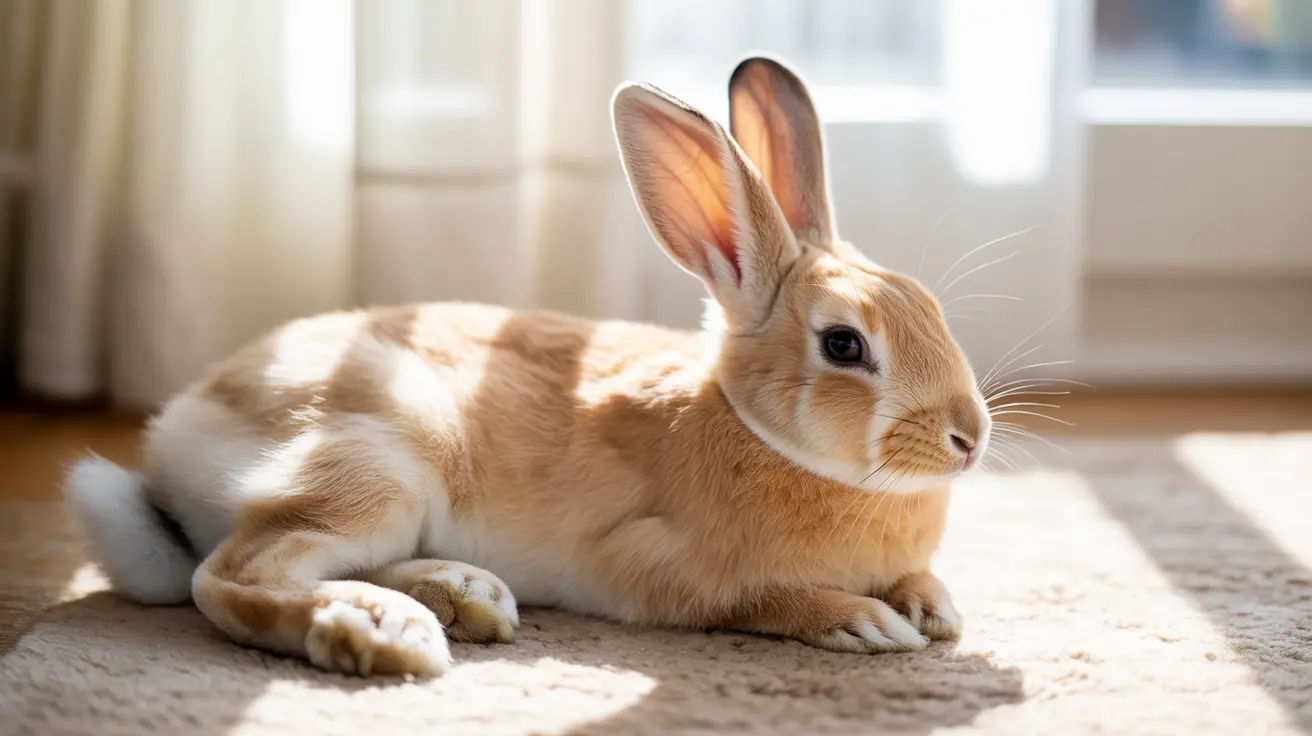
The animal kingdom continues to surprise us with heartwarming examples of cross-species animal friendships that defy natural instincts. Recent observations highlight how cats, rabbits, and ducks can develop remarkable bonds under the right conditions, challenging our understanding of inter-species compatibility. These unlikely animal trio relationships demonstrate that with proper care and understanding, even the most unexpected combinations of pets can coexist peacefully and form meaningful connections.
For pet owners considering multi-species households or those curious about animal behavior research, these extraordinary friendships offer valuable insights into animal social dynamics. Understanding how different species can bond helps create better environments for our beloved pets while expanding our knowledge of animal socialization patterns.
Understanding Animal Social Imprinting
Animal social imprinting plays a crucial role in forming these unexpected friendships. When animals are exposed to different species during their early developmental stages, they're more likely to accept and bond with those species later in life. This process helps explain why a cat rabbit duck bond can develop naturally when the animals are introduced at appropriate ages and under favorable conditions.
The key lies in timing and environment. Young animals are particularly adaptable and open to forming social connections beyond their own species. This flexibility allows them to recognize other animals as companions rather than threats or prey, setting the foundation for lasting friendships.
Creating Ideal Animal Bonding Environments
Successful multi-species household care requires careful attention to environmental factors. A calm, stress-free setting with abundant resources helps animals feel secure enough to explore friendships with other species. Each animal needs access to species-appropriate hiding spots, feeding areas, and enrichment activities.
Temperature control, adequate space, and consistent routines contribute to a peaceful atmosphere where unusual pet friendships can flourish. Removing competition for resources and ensuring each animal feels safe in their territory prevents conflicts that could dermine bonding efforts.
Species Socialization Best Practices
Proper species socialization involves gradual introductions and supervised interactions. Start by allowing animals to see and smell each other from a safe distance before progressing to closer contact. Monitor body language carefully and intervene if any animal shows signs of stress or aggression.
Positive reinforcement through treats and praise during peaceful interactions helps reinforce good behavior. Consistency in these practices builds trust between different species over time, making genuine friendships possible even among traditionally incompatible animals.
Practical Pet Care Tips for Multi-Species Homes
Managing a household with cats, rabbits, and ducks requires understanding each species' unique needs. Cats need vertical spaces and scratching posts, rabbits require safe areas to dig and chew, while ducks need access to water for bathing and drinking. Separate feeding stations prevent food-related conflicts and ensure proper nutrition for each animal.
Regular health checkups become even more important in multi-species environments, as diseases can sometimes transmit between different animal types. Maintaining good hygiene and providing species-specific veterinary care helps keep all animals healthy and happy.
Exercise and enrichment should be tailored to each species while creating opportunities for positive shared experiences. Interactive play sessions, when all animals are comfortable, can strengthen inter-species bonds and provide mental stimulation for everyone involved.
The Science Behind Unlikely Animal Friendships
Current animal behavior research suggests that social bonds between different species depend on individual personality traits, early experiences, and environmental conditions. Animals with naturally calm temperaments and those raised in diverse social settings show greater flexibility in forming cross-species relationships.
These findings have important implications for pet owners and animal caregivers, demonstrating that with patience and proper management, many seemingly incompatible species can learn to coexist and even thrive together.
Frequently Asked Questions
Can cats, rabbits, and ducks form bonds and be friends?
Yes, under the right social and environmental conditions, cats, rabbits, and ducks can develop bonds and form unlikely friendships. While individual personality and proper introduction are important, many animals can coexist peacefully and even become friends.
What factors promote bonding between different animal species?
Factors include a calm and secure environment, gradual introductions, non-aggressive behavior, and providing ample resources. Consistent positive interactions help animals develop trust and social bonds across species.
Are there specific care tips for animals in multi-species households?
Yes, ensure each species has its own space, monitor interactions closely, feed appropriately, and provide enrichment tailored to each. Gradually introducing animals and respecting their individual boundaries promotes harmony.
Is science supportive of cross-species friendships among household pets?
Research indicates that animals from different species can form social bonds, especially when raised together or introduced carefully. These bonds are influenced by temperament, socialization, and environmental factors.
What are common challenges in maintaining multi-species animal households?
Challenges include managing differing dietary and habitat needs, preventing aggression, and ensuring all animals feel safe and comfortable. Proper supervision and understanding species-specific behaviors are essential.
Conclusion
Cross-species animal friendships remind us of the remarkable adaptability and social nature of our pets. While creating successful multi-species households requires dedication and careful planning, the rewards of witnessing these unique bonds make the effort worthwhile. By understanding animal behavior and providing appropriate care, pet owners can foster environments where unlikely friendships flourish.
These extraordinary relationships not only enrich the lives of the animals involved but also provide valuable learning opportunities for pet owners and researchers alike. As we continue to study inter-species compatibility, we gain deeper insights into the complex social lives of our beloved companions.




