
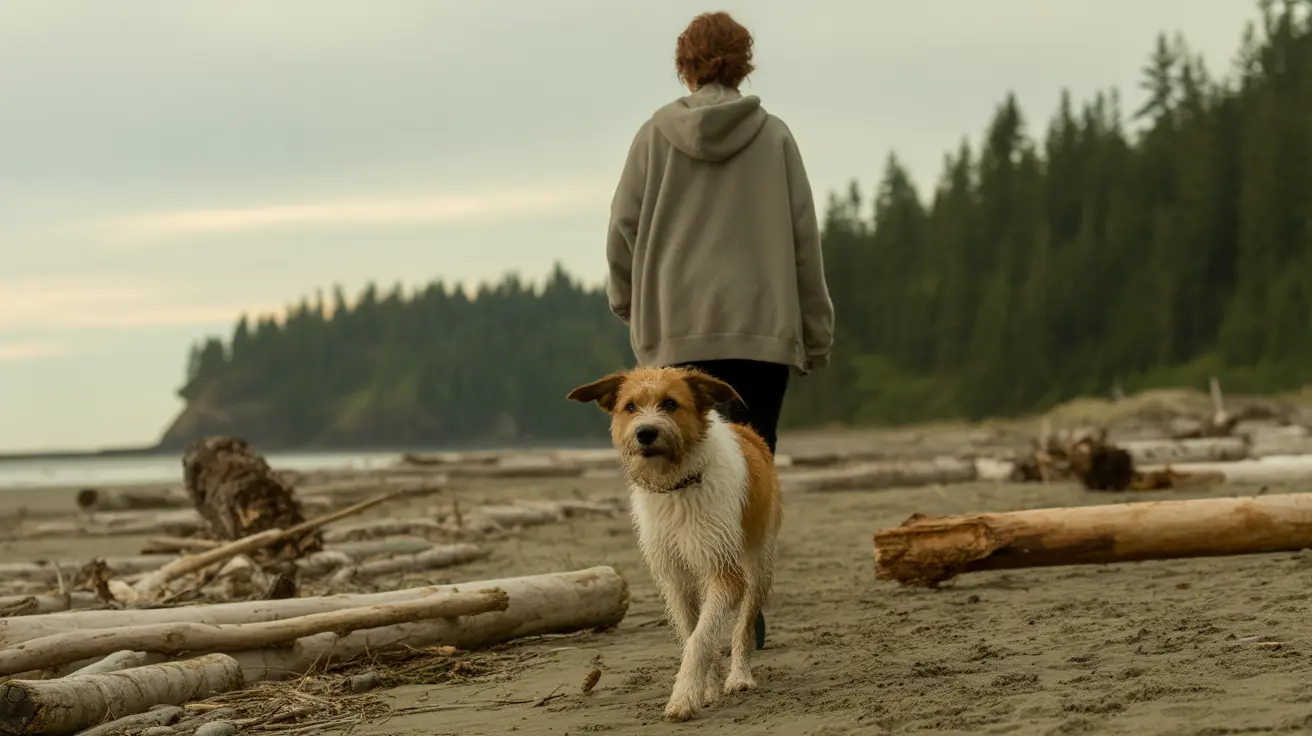
A mysterious discovery on Guemes Island in Washington state had local residents and pet owners deeply concerned when 21 dead canine-like animals washed ashore earlier this week. What initially appeared to be a tragic case involving domestic dogs was ultimately identified by Washington state officials as red foxes that had been legally used as fishing bait, solving a mystery that had shaken the small island community.
The incident highlights an important reminder for pet owners about wildlife identification and the various legal practices that can impact coastal areas where families often walk their dogs. While the discovery was unsettling for locals who feared the worst about missing pets, the sheriff's office confirmation that these were foxes used for legitimate fishing purposes provides closure to the community.
Legal Fox Trapping Washington: Understanding Wildlife Regulations
Washington state wildlife regulations permit the use of red foxes as fishing bait under specific circumstances. These foxes are typically trapped legally and sold to commercial fishing operations that target large marine species like sharks and halibut in Pacific Northwest waters. The practice, while unfamiliar to many pet owners, represents a legitimate aspect of commercial fishing operations in the region.
For pet owners living in coastal areas, understanding these regulations can help explain unusual wildlife encounters. Red foxes are considered an invasive species in parts of the Pacific Northwest, making their use as bait both practical for fishing operations and beneficial for local ecosystem management.
Red Fox Bait Sharks Halibut: Commercial Fishing Practices
Commercial fishing operations targeting large predatory fish often require substantial bait to attract their catch. Red foxes provide an effective bait option due to their size and scent profile, which appeals to species like sharks and halibut. These fishing operations typically dispose of unused or expired bait at sea, which can occasionally wash ashore during storms or changing tidal conditions.
Pet owners should be aware that finding such marine debris doesn't necessarily indicate illegal activity or animal cruelty. However, it's always appropriate to report suspicious findings to local authorities who can properly investigate and provide accurate information to concerned community members.
Beach Animal Remains Pet Owners Should Know About
When walking dogs along coastal areas, pet owners may encounter various types of animal remains that have washed ashore. These can include natural wildlife deaths, fishing industry byproducts, or marine mammals that have died from natural causes. Understanding what you might find can help reduce anxiety and ensure appropriate responses.
If you discover animal remains while walking your pet, keep your dog at a safe distance to prevent them from investigating or consuming anything potentially harmful. Many decomposing animals can carry bacteria or parasites that could affect your pet's health.
Protecting Your Pets During Beach Walks
Always maintain control of your dog when walking near areas where animal remains might be present. Use a leash to prevent your pet from scavenging, and bring fresh water to rinse your dog's paws and mouth if they come into contact with anything concerning. Consider carrying a small first aid kit and the contact information for your nearest emergency veterinarian.
Invasive Red Foxes PNW: Environmental Context
Red foxes are not native to many parts of the Pacific Northwest and are considered invasive in certain ecosystems. Their presence can impact native wildlife populations, making population management through legal trapping programs an important conservation tool. This context helps explain why using trapped red foxes as fishing bait serves multiple purposes within wildlife management strategies.
Pet owners should also be aware that red foxes in the area may carry diseases transmissible to domestic dogs, including rabies and parasites. Keeping pets vaccinated and avoiding wildlife encounters remains the best protection strategy.
Frequently Asked Questions
- Q: Why were dead foxes mistaken for dogs on Guemes Island beaches?
A: Red foxes and domestic dogs share similar physical characteristics, especially when partially decomposed or waterlogged. From a distance or without close examination, the size and general canine appearance of foxes can easily be mistaken for small to medium-sized dogs, particularly by concerned community members who fear for missing pets.
- Q: Is it legal to use red foxes as fishing bait in Washington state?
A: Yes, it is legal to use red foxes as fishing bait in Washington state when the foxes are obtained through legal trapping methods and proper permits. This practice is regulated by state wildlife authorities and serves both commercial fishing needs and invasive species management goals.
- Q: What should pet owners do if they find animal carcasses washing up on the beach?
A: Pet owners should keep their animals away from any carcasses, report the discovery to local authorities or wildlife officials, and avoid handling the remains directly. Take photos from a distance if documentation is needed, and ensure pets don't consume or roll in decomposing material that could pose health risks.
Conclusion
The resolution of the Guemes Island mystery demonstrates the importance of proper investigation when unusual wildlife discoveries occur in areas frequented by pet owners. While the sight of dead animals washing ashore is always concerning, understanding legal wildlife practices and commercial fishing operations can provide context for these discoveries.
Pet owners should remain vigilant during beach walks while understanding that not every unusual finding indicates wrongdoing. Staying informed about local wildlife regulations and maintaining appropriate safety measures during outdoor activities with pets ensures both community awareness and animal welfare.




