
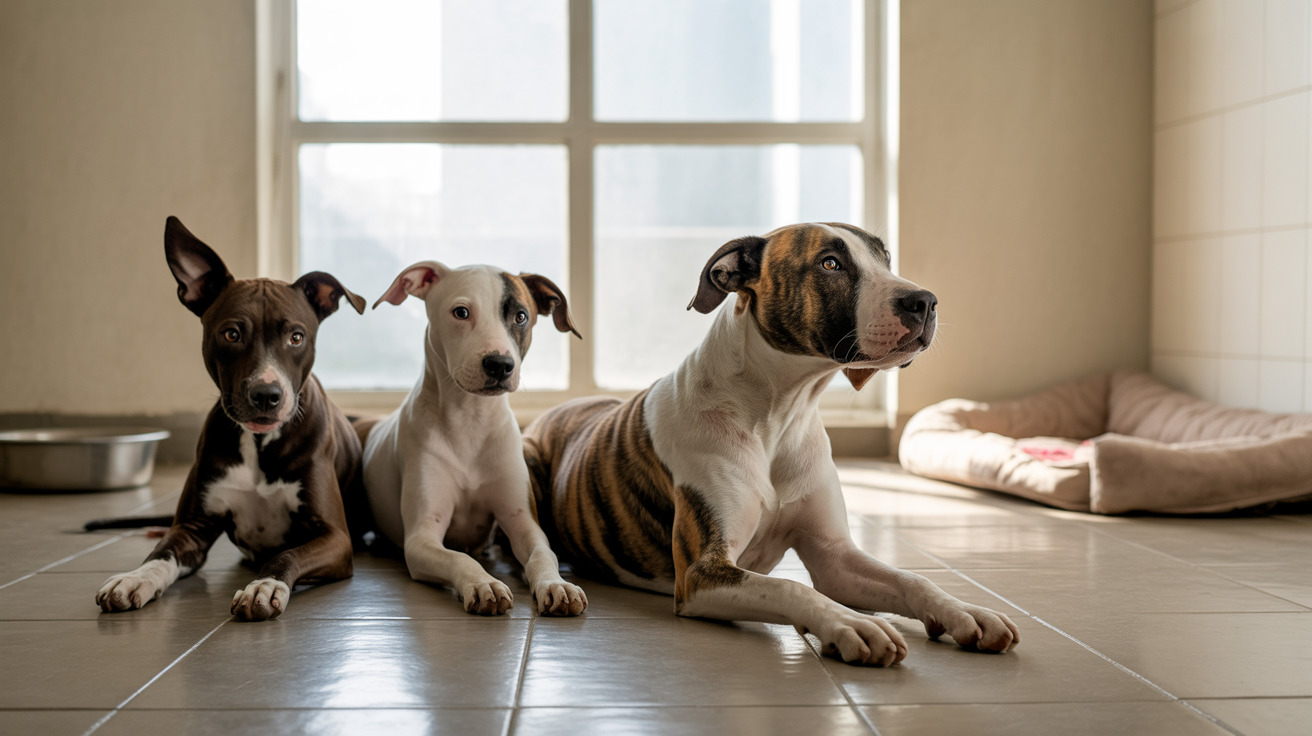
A recent arrest in Pitt County, North Carolina has brought renewed attention to the serious issue of dog fighting and animal cruelty in the state. Courtnee Edwards, a 49-year-old man, was taken into custody by the Pitt County Sheriff's Office on Sunday, facing multiple charges related to dog fighting North Carolina laws and severe animal neglect that resulted in dogs dying from starvation.
This case highlights the devastating consequences of illegal animal fighting operations and serves as a stark reminder of why pet owners and community members must remain vigilant in protecting animals from abuse. The charges against Edwards underscore the serious legal penalties that await those who engage in these cruel activities under North Carolina's comprehensive animal protection statutes.
Understanding Animal Cruelty Laws NC Framework
North Carolina has established robust legal protections for animals through its comprehensive animal cruelty statutes. These laws recognize that animals deserve protection from intentional harm, neglect, and exploitation. The state classifies various forms of animal abuse as felony offenses, with penalties that can include significant prison time and substantial fines.
When animals suffer from starvation or are subjected to fighting operations, prosecutors can pursue multiple charges simultaneously. This approach ensures that offenders face appropriate consequences for the full scope of their actions, whether that involves organizing fights, neglecting basic care, or causing unnecessary suffering.
Class H Felony Penalties and Legal Consequences
Animal cruelty charges in North Carolina often carry Class H felony penalties, which represent serious criminal offenses with lasting consequences. These charges can result in active prison sentences, probation periods, and substantial financial penalties. Additionally, courts may impose restrictions on future animal ownership, recognizing that individuals who abuse animals pose an ongoing risk to animal welfare.
The legal system treats repeat offenses particularly severely, with enhanced penalties for those who continue to engage in animal abuse after previous convictions. This escalating approach reflects the understanding that animal cruelty often represents a pattern of behavior that requires significant intervention to prevent future harm.
Recognizing and Reporting Dog Fighting NC Operations
Community members play a crucial role in identifying and reporting suspected animal abuse. Warning signs of dog fighting operations may include properties with multiple dogs showing signs of injury, excessive security measures, or unusual amounts of traffic at odd hours. Animals involved in fighting often display specific injuries, behavioral changes, or evidence of poor care.
North Carolina residents who suspect animal abuse should contact local law enforcement or animal control authorities immediately. Many jurisdictions also have anonymous reporting systems that allow concerned citizens to share information without fear of retaliation. Early intervention can prevent additional suffering and help authorities build cases against those responsible.
Impact on Animal Welfare and Community Safety
Dog fighting operations create multiple layers of harm that extend beyond the immediate animal victims. These illegal activities often involve gambling, drug trafficking, and other criminal enterprises that threaten community safety. The animals used in fighting suffer both physical trauma from forced combat and psychological damage from prolonged abuse and neglect.
When basic care is withheld to the point of starvation, animals experience prolonged suffering that violates fundamental principles of humane treatment. This level of neglect indicates a callous disregard for animal welfare that the legal system addresses through serious criminal penalties.
Prevention and Education Efforts
Preventing animal cruelty requires ongoing community education and awareness. Pet owners should understand their legal responsibilities for providing adequate food, water, shelter, and veterinary care. Schools, community organizations, and animal welfare groups play important roles in teaching compassion toward animals and promoting responsible pet ownership.
Law enforcement agencies often work closely with animal welfare organizations to investigate suspected abuse cases and ensure that animals receive necessary care and rehabilitation. These partnerships help ensure that both the immediate welfare needs of animals are addressed and that offenders face appropriate legal consequences.
Frequently Asked Questions
What are the penalties for dog fighting in North Carolina?
Dog fighting in North Carolina is typically prosecuted as a felony offense, with penalties that can include significant prison time, substantial fines, and restrictions on future animal ownership. Repeat offenses face enhanced penalties under state law.
Is starving a dog considered a felony under North Carolina animal cruelty laws?
Yes, allowing animals to starve can constitute felony animal cruelty under North Carolina law, particularly when it results in serious harm or death. These charges often carry Class H felony penalties with potential prison sentences.
How long is prison time for Class H felony animal cruelty charges in North Carolina?
Class H felony convictions in North Carolina can result in active prison sentences ranging from several months to multiple years, depending on the specific circumstances of the case and the defendant's prior criminal history.
Moving Forward: Protecting Animals in Our Communities
The arrest of Courtnee Edwards serves as a reminder that animal cruelty cases require serious legal responses and community vigilance. By understanding the warning signs of abuse, knowing how to report suspected cruelty, and supporting strong animal protection laws, community members can help prevent future tragedies.
Every pet deserves proper care, protection from harm, and the opportunity to live free from fear and suffering. When we work together to identify and address animal abuse, we create safer communities for both animals and people while upholding the values of compassion and responsibility that define humane societies.




