
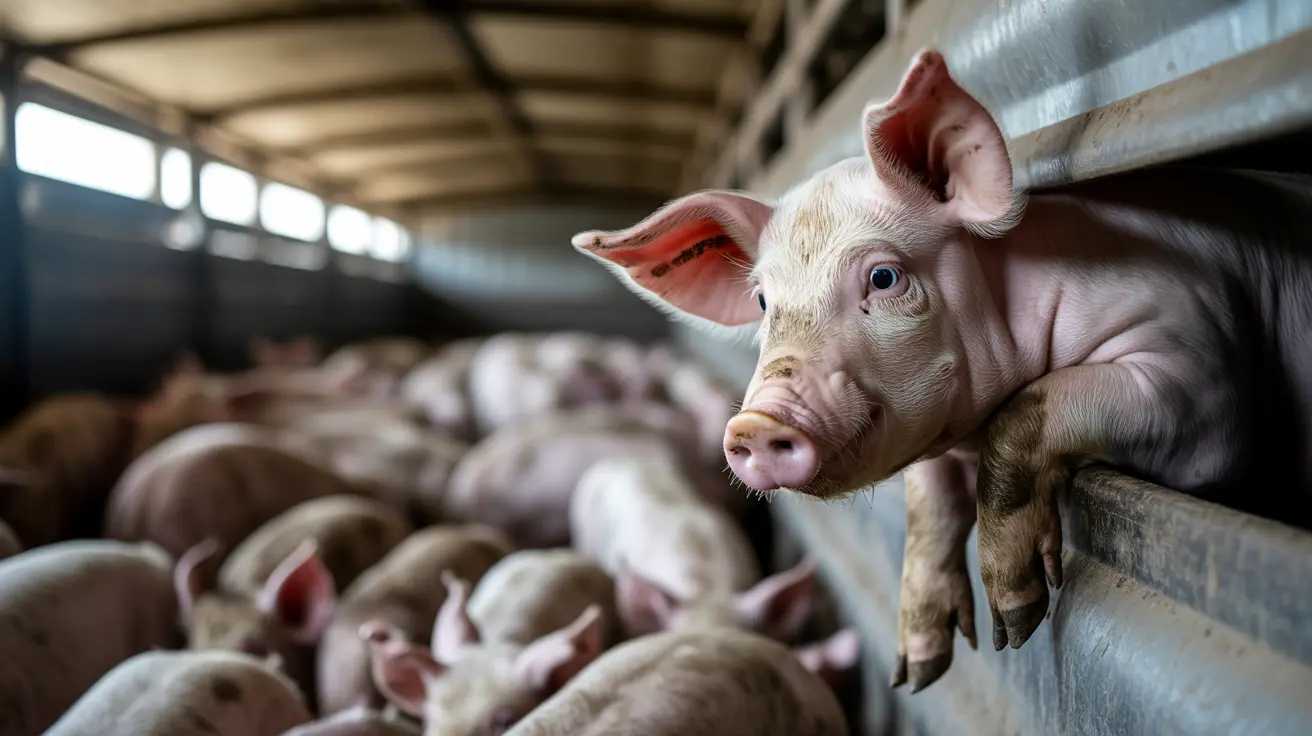
Every year, billions of farmed animals endure extreme suffering during long-distance transport to slaughter facilities. The practice of live animal transport cruelty has become a pressing concern for animal welfare advocates, prompting calls for legislative action through the proposed Humane Transport of Farmed Animals Act. This widespread issue affects countless livestock animals who are packed into vehicles like cargo and subjected to harsh conditions that deny their basic needs for food, water, rest, and humane treatment.
The current state of farmed animal transport represents one of the most overlooked aspects of animal welfare in modern agriculture. While consumers may be aware of conditions on farms or in slaughterhouses, the journey between these locations often involves prolonged suffering that could be prevented through better regulations and enforcement.
The Reality of Long-Distance Livestock Transport
The practice of transporting live animals across vast distances has become standard in the modern agricultural industry. Long-distance livestock transport subjects animals to cramped conditions, extreme temperatures, and prolonged periods without adequate food, water, or rest. These journeys can span days or even weeks, particularly when involving live export by sea to international destinations.
During transport, animals are typically packed tightly into trucks or ships with little room to move, lie down, or express natural behaviors. The stress of confinement, combined with motion sickness, dehydration, and exhaustion, creates a perfect storm of suffering that affects millions of animals annually.
Current Legal Protections and Their Limitations
In the United States, animal transport is loosely regulated by the US 28-hour law animals provision, which requires that livestock be unloaded for rest, food, and water after 28 consecutive hours of transport. However, this law contains significant loopholes and lacks adequate enforcement mechanisms.
In contrast, EU animal transport rules provide somewhat stronger protections, including specific requirements for journey times, rest periods, and vehicle conditions. However, even these regulations are frequently violated, and investigations continue to reveal widespread non-compliance across European transport operations.
The Push for Humane Transport Laws for Farm Animals
Animal welfare during transport has become a focal point for farm animal advocacy campaigns across the country. Advocates argue that the current regulatory framework is insufficient to protect animals from unnecessary suffering during transit.
The proposed Humane Transport of Farmed Animals Act represents a significant step toward addressing these concerns. This legislation would establish stricter standards for animal transport, including limits on journey times, mandatory rest periods, and improved vehicle requirements to ensure better conditions during transit.
Benefits of Local Slaughter vs Live Transport
Many experts advocate for local slaughter vs live transport as a more humane alternative to current practices. By processing animals closer to where they are raised, the industry could significantly reduce transport times and associated stress. This approach would benefit animal welfare while also reducing environmental impacts and supporting local economies.
Local processing facilities offer numerous advantages, including reduced animal stress, lower transportation costs, and fresher products for consumers. However, implementing this model requires investment in infrastructure and changes to current supply chain practices.
The Case Against Live Export by Sea
Perhaps no form of animal transport is more controversial than live export by sea. These journeys subject animals to weeks of confinement aboard ships, where they face extreme weather conditions, disease outbreaks, and inadequate veterinary care. The transport of unweaned calves is particularly concerning, as these young animals are especially vulnerable to stress and illness during long journeys.
Several countries have begun implementing restrictions or bans on certain types of live export, recognizing the inherent cruelty involved in these extended sea voyages.
Taking Action: End Live Animal Export Campaign
The end live animal export campaign has gained momentum as more people become aware of the suffering involved in long-distance animal transport. Citizens can support this movement by contacting their representatives, supporting relevant legislation, and making informed consumer choices.
There are also opportunities to participate in petition to stop cruel animal transport initiatives, which help raise awareness and demonstrate public support for stronger animal welfare protections.
Frequently Asked Questions
What is live animal transport and why do so many farmed animals suffer during it?
Live animal transport involves moving livestock over long distances in trucks, trains, or ships to reach slaughter facilities or export destinations. Animals suffer due to overcrowding, lack of adequate food and water, extreme temperatures, and stress from confinement and motion. These conditions can lead to injuries, illness, and death during transit.
How does the Humane Transport of Farmed Animals Act aim to protect animals in transit?
The proposed legislation would establish stricter federal standards for animal transport, including mandatory limits on journey times, required rest periods, improved vehicle ventilation and space requirements, and better enforcement mechanisms to ensure compliance with animal welfare standards during transport.
What can I do as a consumer or citizen to help end cruel live animal transport and support more humane laws?
You can contact your congressional representatives to support the Humane Transport of Farmed Animals Act, sign petitions advocating for transport reforms, choose products from farms that prioritize animal welfare, and support local producers who use nearby processing facilities to minimize transport distances.
Moving Toward a More Humane Future
The fight against live animal transport cruelty requires continued advocacy, legislative action, and consumer awareness. By supporting measures like the Humane Transport of Farmed Animals Act and making conscious choices about the products we purchase, we can work toward a future where animals are treated with the respect and care they deserve throughout all stages of the agricultural process.
The path forward involves not only stronger regulations but also innovative approaches to livestock processing that prioritize animal welfare while maintaining food security and economic viability for farmers and communities.




