
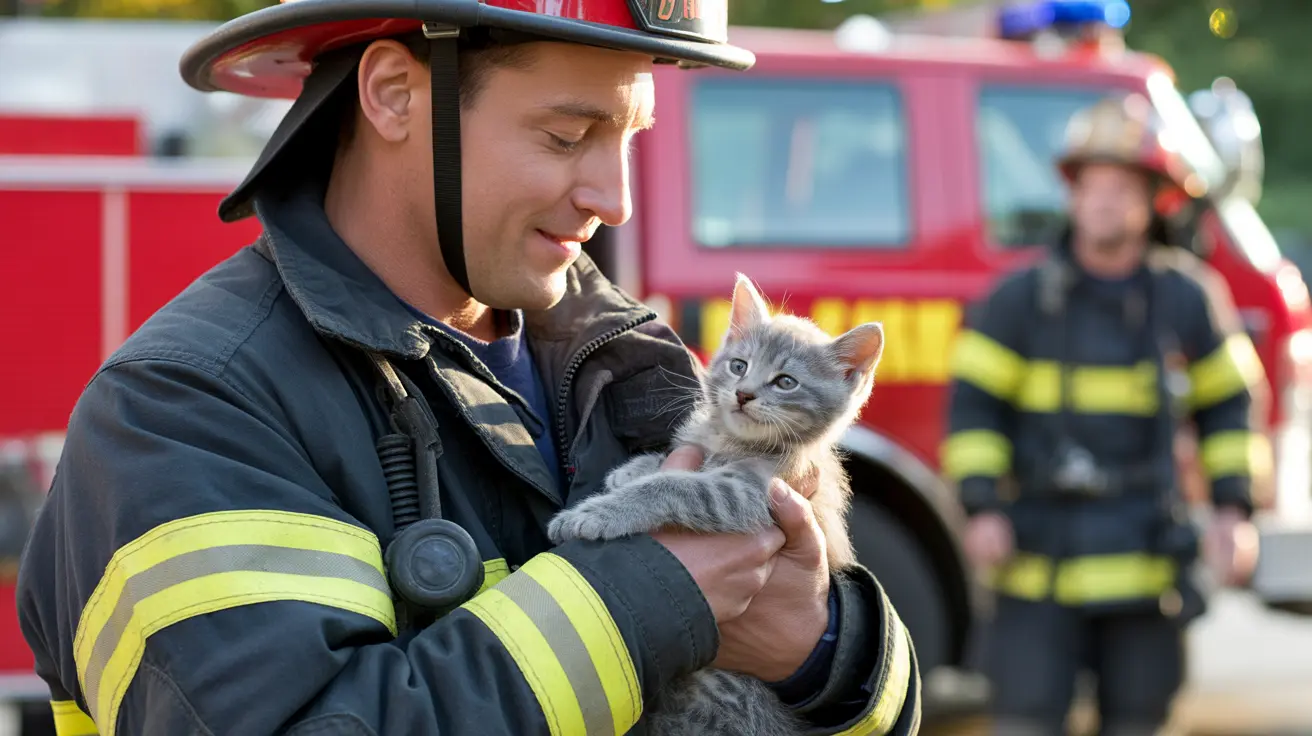
When fire, smoke, and chaos endanger our beloved pets and livestock, specially trained firefighters step in to save animal lives alongside human ones. Firefighter pet rescue has become an increasingly important aspect of emergency response, with fire departments across the country developing specialized protocols and equipment to handle these life-or-death situations safely and effectively.
Understanding how firefighters rescue dogs, cats, and other animals during emergencies can help pet owners better prepare for potential disasters while appreciating the heroic efforts of first responders who risk their lives to save our four-legged family members.
Specialized Training for Animal Rescue Operations
Fire departments nationwide have recognized that effective animal rescue requires specific skills beyond traditional firefighting techniques. Firefighters saving animals must learn to approach stressed, frightened creatures who may be hiding, injured, or aggressive due to panic. This specialized training covers animal behavior, safe handling techniques, and the use of equipment designed specifically for pet rescue from fire situations.
Emergency responders learn to identify common hiding spots where pets seek refuge during fires, such as under beds, in closets, or behind furniture. They also study the behavior patterns of different species under stress, as cats and dogs react differently to smoke and flames. This knowledge proves crucial when every second counts in a rescue operation.
Essential Equipment for Pet Fire Safety
Modern fire departments increasingly invest in specialized equipment designed for animal rescue. Pet oxygen masks fire departments now carry come in multiple sizes to accommodate different breeds and species. These masks can mean the difference between life and death for animals suffering from smoke inhalation.
The pet oxygen mask program has expanded rapidly across the United States, with many departments receiving donated equipment from animal welfare organizations and community groups. These masks feature specialized designs that fit over animal snouts and faces, delivering life-saving oxygen more effectively than human equipment.
Advanced Technology in Animal Rescue
Some progressive fire departments have begun incorporating cutting-edge technology into their animal rescue operations. Drone pet rescue fire operations allow firefighters to locate animals in dangerous areas without putting human lives at additional risk. These unmanned vehicles can navigate through smoke-filled environments and locate trapped animals using thermal imaging cameras.
Training Partnerships and Professional Development
Many fire departments collaborate with organizations like the ASPCA firefighter training programs to ensure their personnel receive comprehensive education in animal rescue techniques. These partnerships provide ongoing professional development and keep firefighters updated on the latest best practices in emergency animal care.
Animal rescue training fire department programs often include hands-on practice with various species, teaching firefighters to safely restrain and transport animals of different sizes and temperaments. This training proves invaluable when dealing with both domestic pets and livestock fire rescue situations.
Pet Fire Safety Tips for Owners
While firefighters train extensively for these emergencies, pet owners play a crucial role in fire prevention and preparedness. Creating a family evacuation plan that includes pets, maintaining updated identification tags, and ensuring smoke detectors are working properly can significantly improve outcomes during emergencies.
Pet owners should also consider investing in pet alert stickers for windows and doors, which inform firefighters about the number and types of animals inside the home. These simple tools can speed rescue efforts and ensure no pets are left behind during evacuation.
Emergency Pet Evacuation Planning
Developing an emergency pet evacuation fire plan before disaster strikes can save precious time when every moment matters. This includes identifying multiple evacuation routes, preparing emergency supply kits for pets, and establishing arrangements with friends or family who can care for animals if needed.
The Impact of Professional Animal Rescue
According to NFPA pet rescue statistics, the survival rates for animals rescued by trained firefighters continue to improve as departments invest in specialized equipment and training. These improvements reflect the growing recognition that pets are family members deserving of professional rescue efforts.
Fire pet survival rates have increased significantly in communities where firefighters receive comprehensive animal rescue training and have access to appropriate equipment. This trend demonstrates the value of treating animal rescue as a serious component of emergency response rather than an afterthought.
Frequently Asked Questions
What should I do if my pet is hiding during a fire emergency?
If you can safely locate your pet, use familiar sounds like treat shaking or calling their name to encourage them to come out. However, never spend more than a few minutes searching, as your safety is paramount. Inform arriving firefighters about missing pets and their likely hiding spots.
How can I prepare my pets for potential fire emergencies?
Create an emergency kit with pet supplies, ensure identification is current, practice evacuation routes with your pets, and post pet alert decals on windows. Consider microchipping pets and keeping recent photos for identification purposes.
Do all fire departments have pet rescue equipment?
While not universal, many fire departments now carry pet oxygen masks and receive animal rescue training. Contact your local fire department to inquire about their capabilities and consider supporting community efforts to provide this equipment if needed.




